
Trees
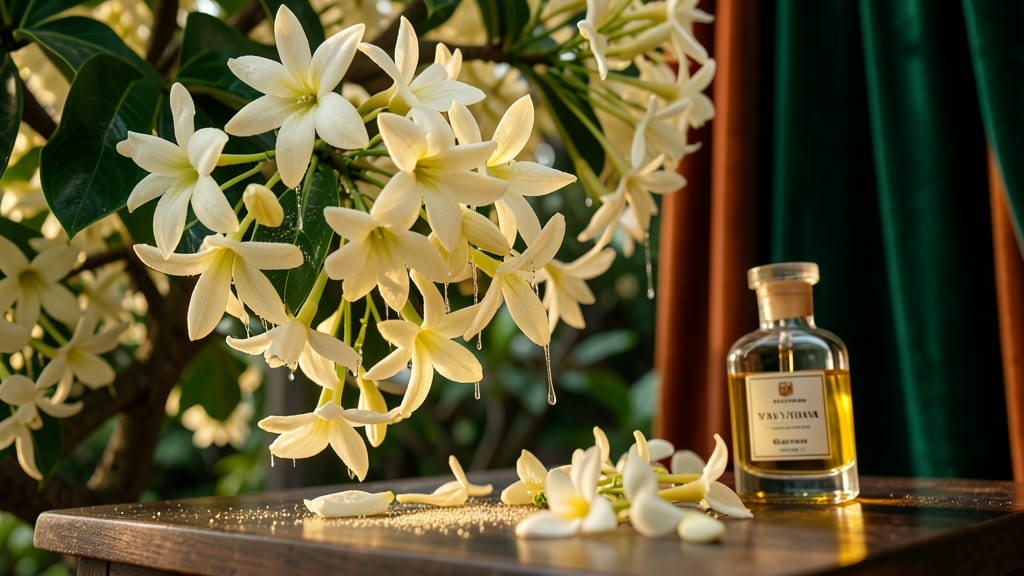
Craving the intoxicating scent of jasmine but want a tree that delivers year-round? These ten fragrant varieties bring that signature floral aroma to your garden, patio, or balcony—each with unique growing habits and care requirements.
Jasmine Sambac (Arabian Jasmine)
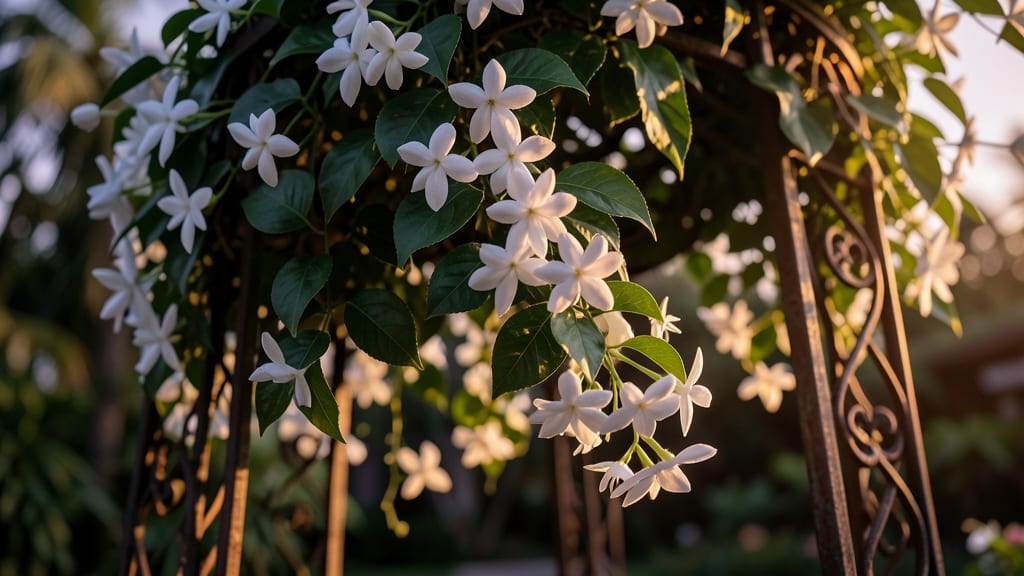
If you’ve ever dreamed of a garden that smells like a five-star tropical resort, Jasmine Sambac (Arabian Jasmine) is your answer. This isn’t just any jasmine—it’s the gold standard for fragrance, with blooms that release their most intoxicating scent after sunset, turning your evening stroll into a sensory escape.
Thriving in USDA Zones 9-11 and beyond, this evergreen vine or small shrub loves full sun to partial shade and well-draining soil. Prune lightly after flowering to encourage bushier growth, and watch it reward you with year-round blooms in warm climates. For cooler areas, grow it in containers and bring it indoors before frost. The key to maximizing its perfume? Plant it near seating areas or pathways where you’ll linger.
Perfect for gardeners in Mediterranean or tropical regions, this jasmine is also a favorite for wedding arches and romantic garden designs. Its ability to thrive in heat and humidity makes it a low-maintenance superstar for those seeking effortless elegance. 🌿
Cestrum Nocturnum (Night-Blooming Jasmine)
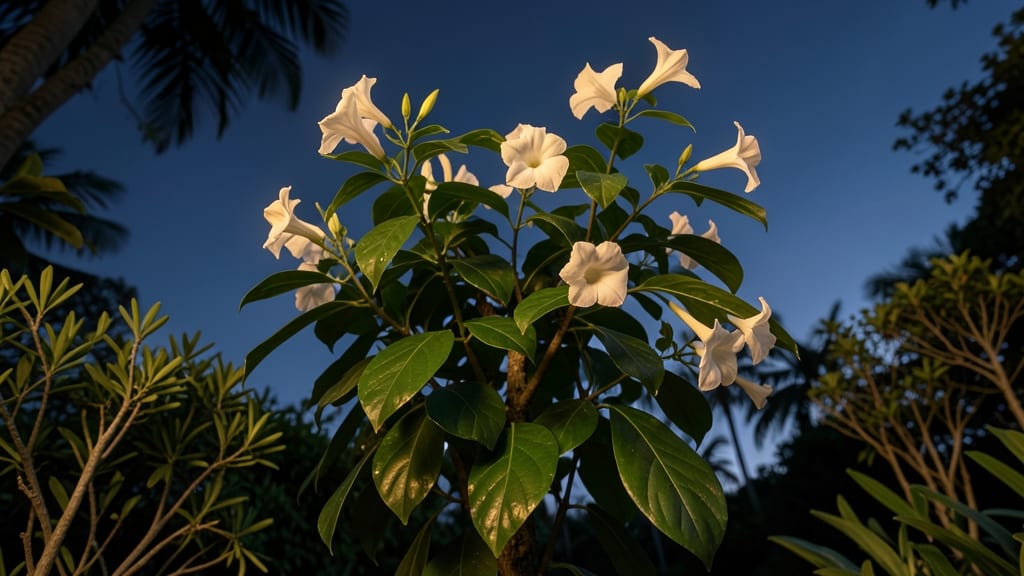
Transform your evening garden into a fragrant oasis with Cestrum nocturnum, the Night-Blooming Jasmine—a plant that delivers its most intoxicating scent after dark. While not a true jasmine, its sweet, tropical perfume wafts through the air when the sun sets, creating a magical atmosphere perfect for moonlit strolls or outdoor gatherings.
This evergreen shrub thrives in USDA zones 9-11 but can be grown in containers and overwintered indoors in cooler climates. Plant it in well-draining soil with full sun to partial shade, and expect fragrant white or pale purple flowers to bloom from summer through fall. The plant also attracts moths and hummingbirds, making it a dual-purpose addition to your garden. Prune lightly after flowering to maintain shape and encourage bushier growth.
Perfect for gardeners who love low-maintenance plants with high rewards, Cestrum nocturnum brings drama to evening gardens without the fuss of daily care. Its unique timing makes it ideal for patios, balconies, or near outdoor seating areas. 🌻
Jasmine Polyanthum (Pink Jasmine)
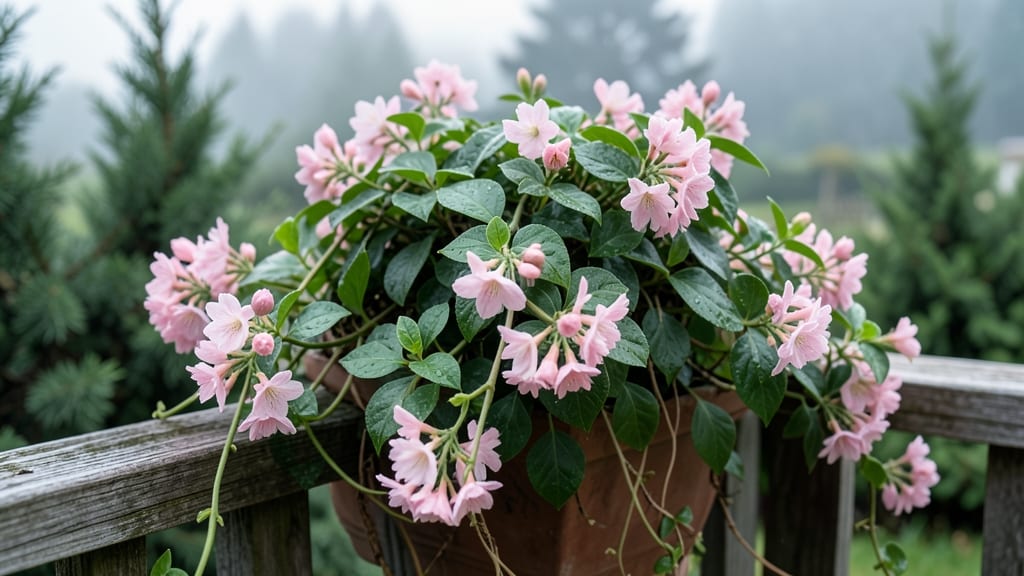
If you love jasmine’s signature scent but live in a cooler climate, Jasmine Polyanthum is your perfect match. Unlike its tropical cousins, this hardy variety thrives in USDA zones 7-10, making it ideal for patios, balconies, or small gardens where traditional jasmine might struggle.
Its pink blooms (instead of white) add a pop of color while filling the air with that same intoxicating fragrance. Prune lightly after flowering to encourage bushier growth, and it’ll reward you with year-round greenery if grown in containers. Perfect for urban gardeners or anyone who wants jasmine’s charm without the fuss of tropical care.
This versatile climber also adapts well to container gardening, making it a breeze to place on decks or small patios. 🌻
Gardenia Jasminoides (Cape Jasmine)
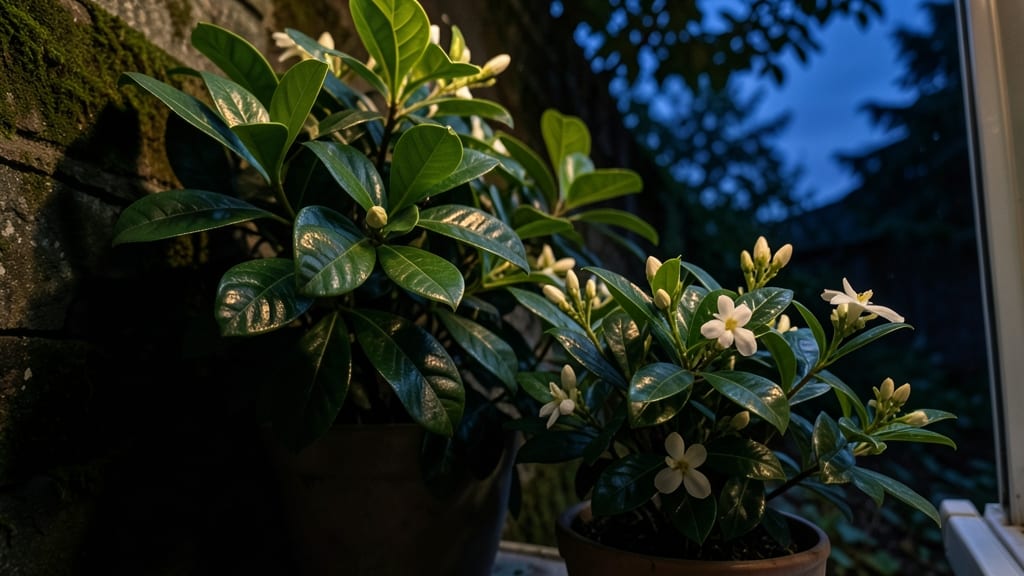
Transform even the darkest corners of your garden or sunless windowsill into a fragrant oasis with Gardenia jasminoides, also called Cape Jasmine. This glossy-leaved shrub delivers a rich, tropical floral scent that’s most potent in the evening—perfect for patios, shaded balconies, or indoor spaces where sunlight is scarce.
Unlike sun-loving jasmine varieties, Gardenia jasminoides thrives in partial to full shade, making it ideal for under trees, north-facing walls, or even as a houseplant. Its creamy white blooms (which close at night) release their signature perfume when brushed against—so place it near seating areas or walkways to maximize scent impact. For best results, keep soil consistently moist and acidic (pH 5.0-6.5), and fertilize monthly with an acid-loving plant formula during blooming season.
This shade-tolerant beauty is especially rewarding for gardeners with limited sunlight or urban dwellers with small balconies. With proper care, you’ll enjoy its year-round fragrance and lush foliage—even when other plants struggle. 🌿
Trachelospermum Jasminoides (Star Jasmine)
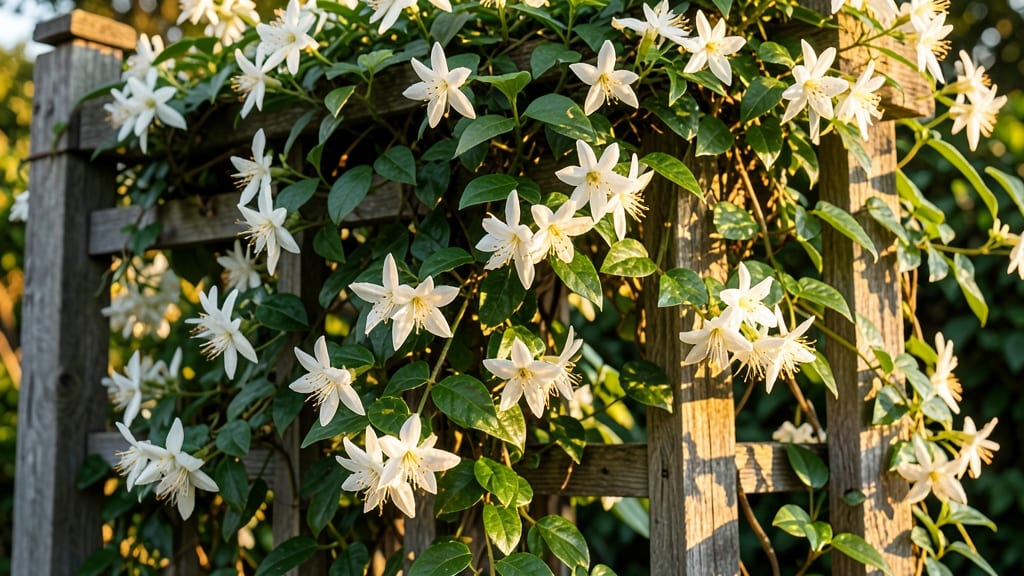
If you love the scent of jasmine but want a low-maintenance vine that thrives in full sun, Trachelospermum jasminoides (Star Jasmine) is your perfect match. This evergreen beauty produces star-shaped white flowers that fill the air with a sweet, intoxicating fragrance from late spring through summer.
Unlike other jasmine varieties, Star Jasmine is drought-tolerant once established and handles poor soil better than most climbers. Train it on a trellis, arbor, or fence—it grows 10–20 feet tall, making it ideal for vertical gardening. Prune lightly after blooming to encourage bushier growth and more flowers next season.
This vine is ideal for urban gardeners with small spaces or anyone who wants a fragrant, evergreen focal point without the fuss of a full-sized tree. 🌱
Michelia Figo (Banana Shrub)
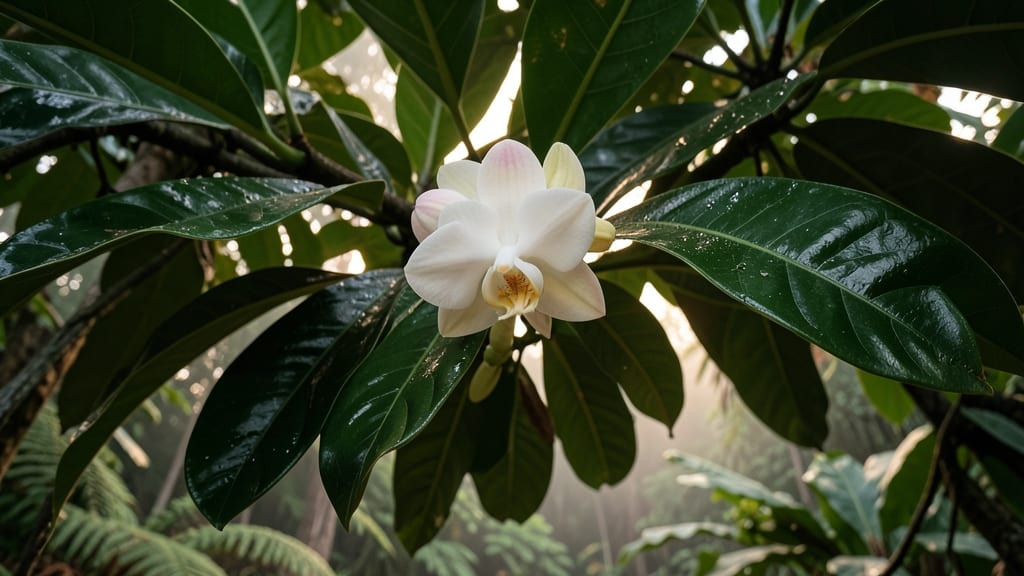
If you’ve ever craved a garden that smells like a tropical paradise, Michelia figo—the banana shrub—delivers an unforgettable fragrance. Its creamy white flowers release a sweet, banana-like scent that intensifies in the evening, making it a standout for humid climates and shaded landscapes.
Native to Southeast Asia, this evergreen shrub thrives in USDA Zones 9-11 and prefers partial shade, though it tolerates full sun in cooler regions. Plant it near patios or walkways to enjoy its spring-to-summer blooms, which attract pollinators while filling the air with a unique, exotic aroma. Prune lightly after flowering to maintain its dense, glossy foliage.
Perfect for gardeners in warm climates or those seeking a fragrant focal point, the banana shrub adds a touch of the tropics without the fuss of high-maintenance vines. 🌻
Plumeria Rubra (Frangipani Tree)
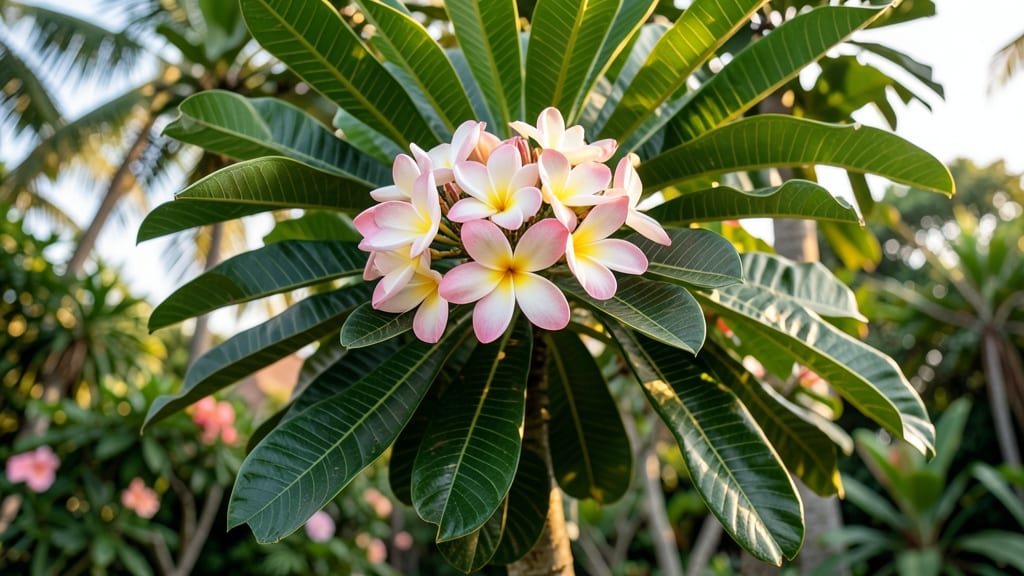
Want a fragrant focal point that doubles as a tropical statement piece? The Plumeria Rubra (Frangipani Tree) delivers jasmine-like perfume with its waxy, star-shaped blooms in shades of pink, white, and yellow. Unlike vines or shrubs, this small tree grows 10-15 feet tall, making it perfect for bold garden accents or container displays on patios.
Thriving in USDA zones 10-12, it craves full sun (6+ hours daily) and well-draining soil—ideal for sandy or rocky landscapes. Prune after blooming to maintain shape and encourage new growth. The scent peaks in morning sunlight, making it a sensory highlight for outdoor gatherings.
Perfect for gardeners in warm climates who want low-maintenance drama with a sweet fragrance. Pair it with hibiscus or palm trees for a true tropical paradise. 🌻
Osmanthus Fragrans (Sweet Olive)
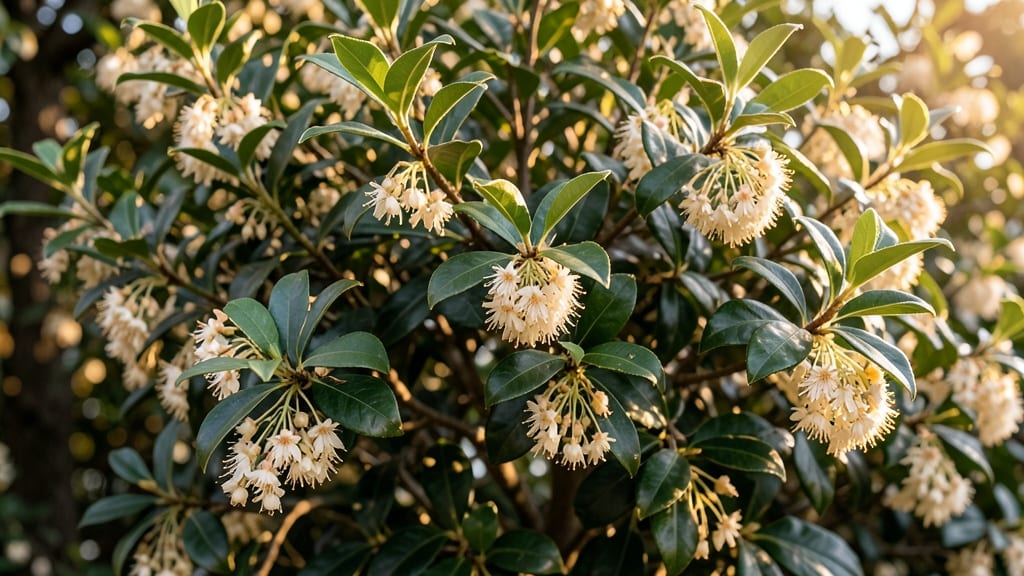
Looking for a fragrant shrub that combines the elegance of jasmine with the warmth of apricots? Osmanthus fragrans, or Sweet Olive, delivers a dual-scent experience that’s as unique as it is intoxicating. Unlike other jasmine-scented plants, this evergreen shrub offers a complex aroma that lingers in the air, making it a standout for hedges, borders, or even bonsai cultivation.
This versatile shrub thrives in partial shade to full sun and handles a range of soil types, though it prefers well-drained conditions. Prune lightly after flowering to maintain shape, and enjoy its glossy, dark green leaves year-round. The small white flowers appear in late fall to winter, releasing their signature fragrance when most gardens are dormant. For bonsai enthusiasts, its compact growth habit and delicate blooms make it a stunning miniature option.
Perfect for gardeners who love low-maintenance yet fragrant plants, Osmanthus fragrans also attracts pollinators and adds texture to any landscape. Whether you're designing a fragrant hedge or crafting a bonsai masterpiece, this shrub brings effortless beauty and scent. 🌷
Bougainvillea Spectabilis (Fragrant Bougainvillea)
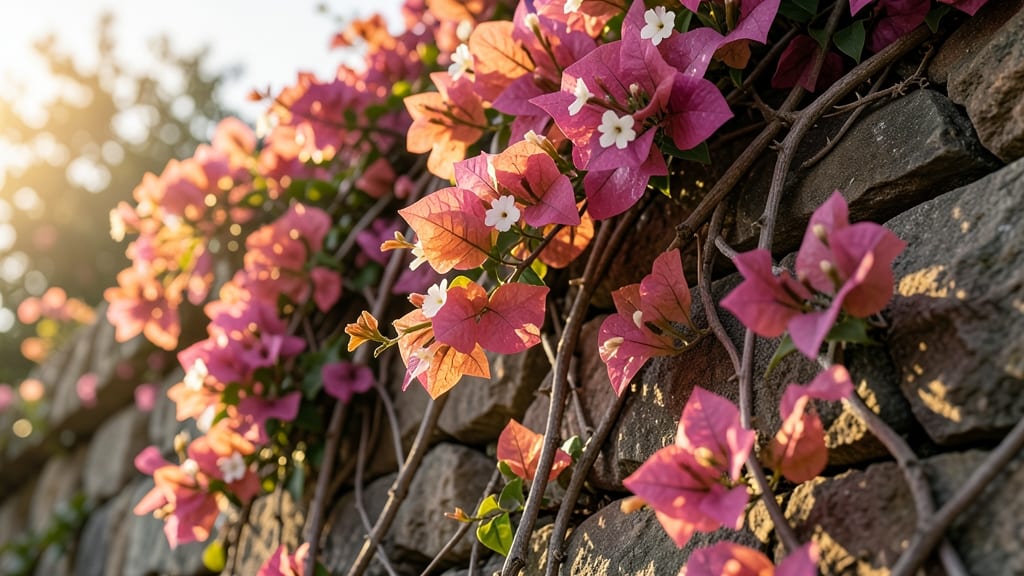
Want a fragrant, low-maintenance plant that thrives on neglect and smells like jasmine? Bougainvillea Spectabilis delivers vibrant blooms with a sweet, intoxicating perfume that lingers in warm evenings. Unlike traditional jasmine vines, this drought-tolerant climber handles heat and dry spells with ease, making it perfect for urban balconies or Mediterranean-style gardens.
Plant it in well-draining soil with full sun exposure (6+ hours daily), and watch it cascade over trellises or spill from containers. Prune lightly after blooming to encourage bushier growth, and fertilize sparingly—this plant rewards minimal effort with year-round color in zones 9-11. The fragrant flowers also attract pollinators, adding life to your garden without extra watering.
Ideal for gardeners in warm climates who crave fragrance without fuss, Bougainvillea Spectabilis turns patios into sensory havens with its jasmine-like scent and bold hues. 🌻
Ylang-Ylang Tree (Cananga Odorata)

Want a tree that doesn’t just smell like jasmine but is used in luxury perfumes? The Ylang-Ylang Tree (Cananga odorata) delivers a rich, sweet floral aroma that’s been prized for centuries in aromatherapy and fragrance industries. Unlike other jasmine-scented plants, its blooms are harvested for essential oils, making it a true tropical treasure.
This fast-growing tree thrives in humid climates with partial shade to full sun, reaching heights of 15–20 feet. Prune regularly to shape it as a small tree or let it grow wild for a lush, fragrant canopy. The creamy yellow flowers release their most intoxicating scent in the evening, perfect for gardeners who love nighttime fragrance. For best results, plant in well-draining soil and water consistently during dry spells.
Ideal for tropical or subtropical gardens, the Ylang-Ylang Tree is a standout for those who want both beauty and functionality—its flowers are used in perfumes, soaps, and even skincare. Perfect for gardeners in warm climates or those who dream of a fragrant, high-value addition to their outdoor space. 🌿