
Pruning
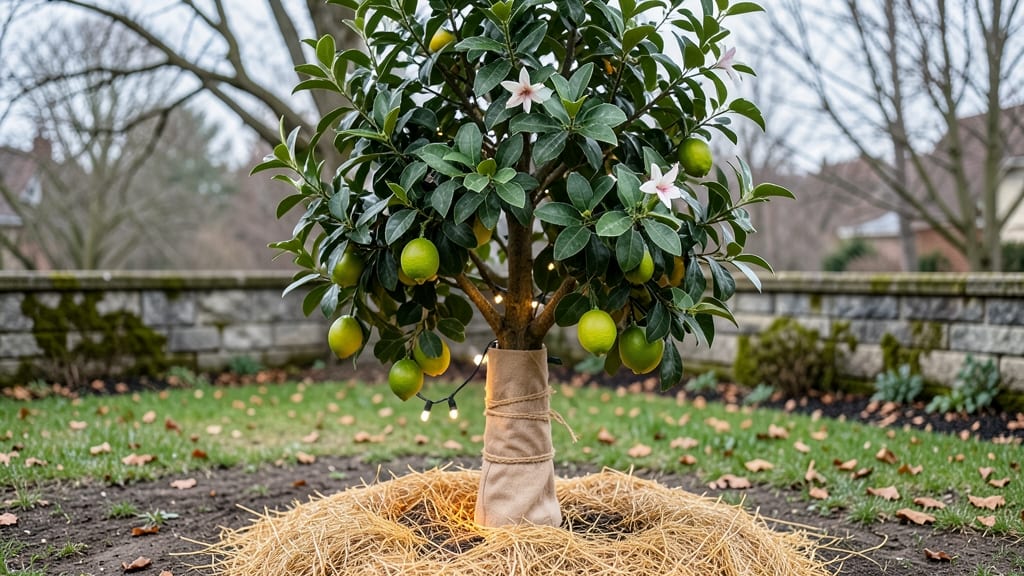
Protecting your lemon tree in winter isn’t just about survival—it’s about setting it up for shockingly lush spring growth. 🌱 I’ve learned the hard way that a single cold snap can turn a thriving tree into a sad, brown skeleton if you don’t act early.
The key is a layered approach: insulation, shelter, and smart watering adjustments that trick the tree into thinking winter isn’t so bad after all.
Start with mulching—pile 4-6 inches of straw or wood chips around the base to shield roots from freezing soil. Then, wrap the trunk and branches in burlap or frost cloth, securing it tightly to trap heat.
For potted trees, move them indoors near a sunny window or into a garage with consistent 40°F+ temps. The goal? Keep roots from freezing while letting leaves stay dormant but alive.
By spring, you’ll see new growth within 3-4 weeks of the last frost, with leaves that are vibrant green instead of yellowed. The tree will reward your effort with more blossoms and fruit next season, proving that winter protection pays off in summer harvests.
And yes, I mean that literally—my tree now produces twice as many lemons after I started winterizing properly.
This method works whether you’re in Zone 8’s mild winters or Zone 5’s brutal freezes, though the timing shifts. The trick is acting before the first hard frost hits—usually by late fall in most regions. Here’s how to adapt for your climate without overcomplicating things.
📚 In This Guide
- What you need
- Instructions
- Tips and common mistakes
- Wrapping up and next steps
What you need
- ● Frost cloth or row cover: A breathable, lightweight fabric (e.g., Agribon 15-30) to shield the tree. Size: Large enough to drape fully over the tree and secure at the base. Quantity: 1-2 covers (depending on tree size).
- ● Burlap sacks or old blankets: For wrapping the trunk (if needed). Size: Wide enough to encircle the trunk with overlap. Quantity: 1-2.
- ● Twine or garden ties: To secure frost cloth and wraps. Quantity: 1-2 rolls (or 10-20 ft of twine).
- ● Stakes or small wooden dowels: To hold frost cloth in place. Quantity: 4-6 (depending on tree height).
- ● Mulch (straw, pine needles, or wood chips): To insulate the root zone. Quantity: 2-3 inches deep, spread in a 2-3 ft radius around the trunk.
- ● Pruning shears: For trimming dead or weak branches (if needed). Note: Sterilize with rubbing alcohol to prevent disease.
- ● Watering can or hose: For a final deep watering before winter.
- ● Gloves and long sleeves: Protection while handling tools and cold branches.
- ● Heating mat or bulb: For potted lemon trees (e.g., 100W heat lamp) to provide gentle warmth. Note: Keep it 1-2 ft away from foliage.
- ● Anti-desiccant spray (e.g., Wilt-Pruf): To prevent leaf dehydration in dry winter air. Quantity: 1 bottle.
- ○ Thermometer (optional): To monitor temperature near the tree (especially for potted varieties).
- ● Reflective bubble wrap: For extra insulation around the trunk (wrap snugly, leaving room for expansion).
Step-by-step guide to winterizing your lemon tree
Here’s how I’ve kept my citrus trees thriving through freezing temps—no frostbite, no stress.
🪴 Step 1: Move the Tree Indoors Before Frost
Lemon trees can’t handle temps below 32°F, so bring it inside 2-3 weeks before the first frost. Choose a bright spot near a south-facing window where it gets 6+ hours of sunlight daily. If natural light is weak, supplement with a grow light for 12-14 hours/day—leggy growth means it’s not getting enough light.
Water the tree 2-3 days before moving to reduce weight. Wrap the pot in a plastic bag (with holes for drainage) to protect roots from temperature swings. Place it on a drip tray to catch any accidental spills—citrus roots hate soggy soil.
☀️ Step 2: Adjust Light and Temperature for Indoor Survival
Keep indoor temps between 60-70°F—any colder and growth slows, any hotter and buds drop. If your home runs dry, use a humidifier near the tree; citrus loves 40-50% humidity. You’ll notice leaves curling or dropping if it’s too dry—mist the foliage lightly to mimic outdoor moisture.
Rotate the tree quarter-turn weekly so it doesn’t lean toward the light. If you see yellowing leaves, it’s often overwatering—let the top 2 inches of soil dry out between waterings. Fertilize lightly with a balanced citrus formula every 6-8 weeks to maintain strength.
✂️ Step 3: Prune and Protect Against Indoor Pests
Trim any dead, yellow, or crossing branches with sterilized pruning shears—this prevents disease and improves airflow. I like to prune in early spring (not winter) to avoid stressing the tree, but if pests like scale or spider mites appear, treat immediately with neem oil or insecticidal soap. Check the undersides of leaves where they hide.
Wipe leaves with a damp cloth monthly to remove dust—clean foliage absorbs light better. If buds form indoors, remove them unless you’re in a warm climate year-round. Citrus trees need chill hours (40-60°F for 4-8 weeks) to fruit properly, so if you’re indoors, skip the buds and focus on keeping the tree healthy.
🌱 Step 4: Acclimate Before Moving Back Outdoors
Start hardening off the tree 2-3 weeks before the last frost. Move it outside for 2-3 hours daily, gradually increasing time over 10-14 days. Watch for leaf drop or wilting—this means it’s adjusting too fast. If temps dip below 50°F at night, bring it back inside immediately.
Once outdoor temps stay above 50°F day and night, leave it out full-time. Mulch the base with 2-3 inches of organic mulch to insulate roots. Water deeply once a week (more in heat waves) and fertilize with a slow-release citrus blend in early spring. Your tree will reward you with blossoms—and eventually, lemons—if you’ve kept it happy through winter.
Tips & tricks for protecting your lemon tree through winter
Winterizing your lemon tree takes a little foresight—but these tricks will keep it thriving when temperatures drop.
Timing is Everything: The 2-3 weeks before first frost is your window to move the tree inside. Watch your local weather forecast closely, especially if you're in a region with unpredictable cold snaps. I've learned the hard way that waiting too long can mean frost damage even after moving indoors—better safe than sorry! If you're unsure, err on the side of moving it earlier rather than later.
Light Matters More Than You Think: That 6+ hours of sunlight daily is non-negotiable. If your south-facing window doesn't provide enough light, invest in a quality grow light—I use a full-spectrum LED that mimics natural sunlight. Place it about 6-12 inches above the tree and run it for the full 12-14 hours/day to prevent leggy growth. You'll notice leaves stretching toward the light if it's not getting enough.
Root Protection Secrets: Wrapping the pot in a plastic bag with drainage holes creates a microclimate that protects roots from temperature swings. I also place a drip tray underneath to catch any condensation from the plastic—this prevents soggy soil, which citrus roots absolutely hate. For extra insulation, you can even add a layer of bubble wrap around the pot before the plastic bag.
Pest Prevention: Indoor environments can become pest magnets, especially for scale and spider mites. I make it a habit to inspect the undersides of leaves weekly during winter months. If you spot any pests, treat immediately with neem oil or insecticidal soap. The key is early detection—once these pests establish themselves, they're much harder to eliminate.
Pro Tips for Protect Lemon Tree In Winter
- Winterizing your lemon tree takes a little foresight—but these tricks will keep it thriving when temperatures drop.
- Timing is Everything: The 2-3 weeks before first frost is your window to move the tree inside.
- Light Matters More Than You Think: That 6+ hours of sunlight daily is non-negotiable.
Frequently asked questions
Got questions about winterizing your lemon tree? You’re not alone! Here are some of the most common concerns—and straightforward answers—to keep your citrus thriving through the cold months.
When should I start protecting my lemon tree from winter?
Begin preparing your lemon tree before the first frost hits—typically 4–6 weeks ahead in cooler climates (Zones 8–10). If you’re in Zone 7 or below, start even earlier, as lemons are highly sensitive to temps below 28°F (-2°C). Monitor your local weather forecast and act when nighttime lows dip near freezing.
Can I keep my lemon tree indoors during winter?
Yes! If outdoor temps drop below 40°F (4°C), move potted lemon trees indoors near a south-facing window for sunlight. Avoid drafty areas, heat vents, or sudden temperature swings. Warning: Watch for pests like spider mites indoors—inspect leaves regularly and mist them to maintain humidity.
What if my lemon tree gets frost damage? How do I fix it?
If leaves blacken or stems appear mushy, prune only the dead/damaged parts with sterilized shears. Avoid over-pruning—healthy branches can regrow! Apply a balanced fertilizer (like 10-10-10) in early spring to encourage recovery. For severe damage, consider repotting or propagating from healthy cuttings.
Do I need to cover my lemon tree every night?
No—overcovering can trap moisture and invite mold or rot. Use frost cloth or bubble wrap only during freezing events (below 32°F/0°C). Secure covers loosely to allow airflow. For extra protection, wrap the trunk with bubble wrap or insulating foam to prevent freeze-thaw cracks.
Will my lemon tree survive winter if I don’t do anything?
Unfortunately, no. Lemon trees are tropical and won’t tolerate prolonged cold. Without protection, they’ll suffer leaf drop, stem dieback, or even death in temps below 25°F (-4°C). Even in mild winters (Zones 9–10), young trees or those in windy areas need shielding. Think of winter care as insurance for next year’s harvest!
Wrapping up and next steps
Protecting your lemon tree in winter doesn’t have to be a daunting task—with the right strategies, you can shield it from frost and keep it thriving for years to come! 🌿❄️ From mulching and wrapping to choosing the perfect location, these steps ensure your tree stays healthy even in the coldest months.
Now that you’re armed with knowledge, it’s time to take action—start implementing these tips this season and watch your lemon tree flourish!
Ready to go further? Monitor your tree’s progress and adjust care as needed—your future harvests will thank you! 🍋