
Size
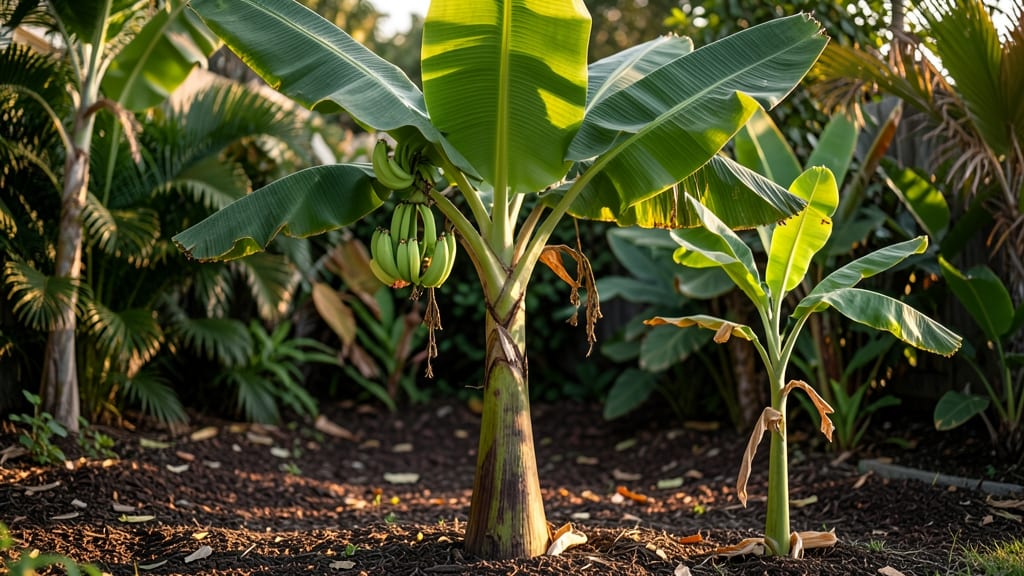
Banana trees grow to sizes that range from patio-friendly 6 feet to towering 30-foot giants, depending on the variety and where you live.
Did you know some banana trees can grow taller than a three-story building—but others stay small enough for a patio? Understanding banana tree size helps you choose the perfect variety for your space and climate.
In tropical zones like Florida or Hawaii, a standard Musa acuminata can shoot up to 25 feet in just a few years, while cold-hardy dwarf varieties like Lady Finger top out at 8 feet—ideal for containers or small yards.
Below, I break down the height ranges by popular variety, how climate affects growth, and 5 practical tips to control size if you’re working with limited space.


How tall do banana trees grow by popular variety?
Choosing a banana tree often comes down to one key question: how much space do I have? Some varieties stretch toward the sky like skyscrapers, while others stay compact enough for a sunny patio.
The Dwarf Cavendish, for example, rarely exceeds 10 feet in ideal conditions, making it perfect for containers. Meanwhile, the Red Dacca can tower over 20 feet in tropical climates, requiring serious yard space. Understanding these differences helps you pick the right variety for your garden or balcony.
Banana tree height isn't just about aesthetics—it directly impacts fruit production, pruning needs, and even container size. A Lady Finger banana, for instance, stays under 8 feet but may need staking, while the Ice Cream banana can reach 12 feet with proper care.
Let's break down the most popular varieties and their mature sizes so you can plan your space wisely.
🌱
The Dwarf Cavendish is my go-to for small spaces because it rarely surpasses
Climate zones that affect banana tree size growth
Your banana tree's final height isn't just about genetics—it's heavily influenced by your local climate zone. Tropical varieties like the Red Dacca can soar to 30 feet in warm, humid USDA Zone 11, while the same plant might stay under 10 feet in cooler Zone 9.
Temperature, humidity levels, and even frost risk dramatically alter growth patterns.
In USDA Zones 10-12, banana trees grow aggressively year-round, reaching their maximum mature height within 2-3 years. But in Zones 8-9, growth slows dramatically during winter months, often halting completely below 50°F. This seasonal pause keeps trees shorter but can also reduce fruit production.
Climate Impact on Banana Tree Size
Humidity plays a crucial role too. In high-humidity zones like Florida or Hawaii, banana trees grow 30-50% faster than in drier climates. The Lady Finger variety, for example, might reach 12 feet in Miami but only 8 feet in Arizona's lower humidity.
Even container-grown bananas benefit from increased humidity through regular misting.
For gardeners in USDA Zone 8, cold-hardy varieties like Dwarf Cavendish are your best bet. These stay under 10 feet and can survive brief dips to 28°F with proper mulching. In contrast, tropical varieties will die back to the ground in frost, requiring container protection or indoor overwintering.
Another critical factor is day length. Shorter days in northern climates trigger earlier dormancy, limiting height gains. In Zone 11, where days stay long year-round, banana trees grow continuously, often producing multiple harvests annually.
This explains why the same Ice Cream banana might reach 15 feet in California but only 10 feet in Georgia.
To maximize growth in cooler zones, I recommend microclimates—plant near south-facing walls or use black plastic mulch to absorb heat. Even a 5-10°F warmer microclimate can push a Dwarf Cavendish from 8 feet to 12 feet in a single season.
For container growers, move pots indoors before 50°F nights to preserve height gains.
Remember: banana trees won't grow tall without consistent warmth. If you're in Zone 8-9, focus on dwarf varieties and seasonal protection to avoid disappointment. With the right approach, even cooler climates can support fruit-bearing bananas—just expect more modest height growth compared to tropical paradises. 🌱