
Trees
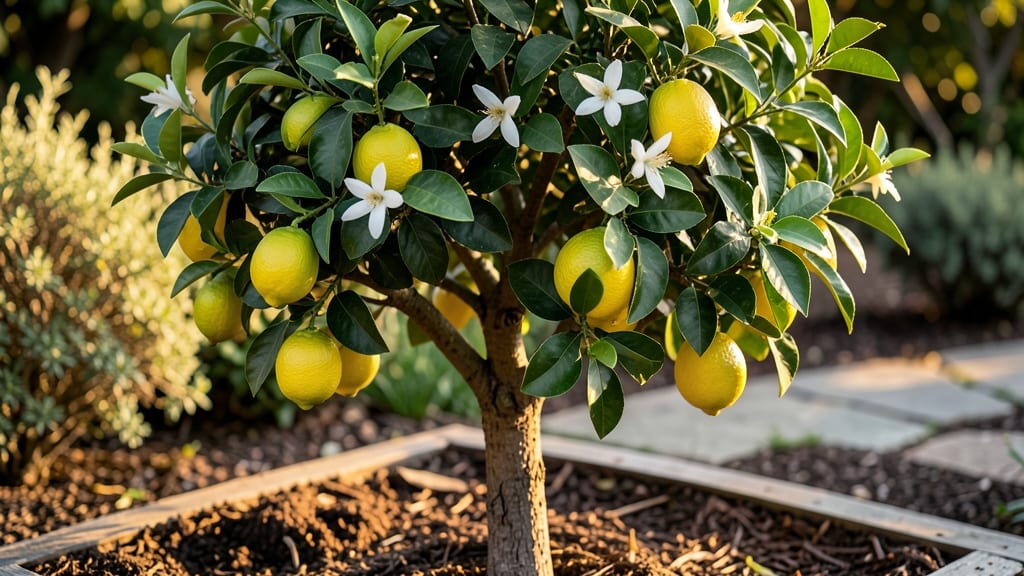
The Eureka lemon tree height reaches 15–20 feet if left unchecked, but you can shape it into a manageable 6–8 feet with smart pruning.
Picture this: your 🍋 Eureka lemon tree stretching toward the sky like a jungle vine, blocking your porch light and making ladder harvests a nightmare. Most gardeners don’t realize how quickly this citrus powerhouse grows—until it’s too late.
With the right timing and techniques, you can keep it compact while still enjoying a bounty of lemons.
In USDA Zone 6, where spring planting begins in April, your tree’s height depends on whether you’re growing it in the ground or a container.
Without pruning, it can hit 10 feet by year three, but strategic cuts in early spring and late summer will slow its vertical growth while encouraging bushier, fruit-bearing branches.
Below, I’ll break down the exact pruning schedule by year, common mistakes that send your tree skyward, and how to turn a towering citrus giant into a tidy, productive 6-foot beauty—without sacrificing lemons.

Eureka lemon tree height by year: natural growth patterns and mature size
Your Eureka lemon tree starts as a delicate seedling but can quickly become a towering citrus giant if left unchecked. Understanding its natural growth patterns helps you plan for pruning, container size, and garden layout.
Without intervention, this variety typically reaches 15–20 feet at maturity, but with strategic care, you can keep it between 6–8 feet for easier maintenance and fruit harvesting.
The first year of growth is the most critical for establishing your tree’s future structure.
In USDA Zone 6, seedlings planted in spring (after last frost) grow 2–4 feet tall, with most of that growth occurring between May and September. Container-grown trees may grow slightly slower due to root restriction, while in-ground plantings can shoot up faster with ample nutrients.
🚨 BELOW 🚨
By year 2, your Eureka lemon tree will have doubled in height, reaching 6–8 feet if planted in-ground. This is when pruning becomes essential—target the top third of the tree to encourage lateral branches and a bushier form. Dwarf varieties, grafted onto Citrus macrophylla rootstock, grow only 3–4 feet in their second year, making them ideal for containers or small gardens.
Climate plays a huge role in vertical growth. In warmer zones (8–10), Eureka lemons grow 1–2 feet faster annually due to extended growing seasons.
Meanwhile, in cooler zones (6–7), growth slows in winter, and trees may need winter protection (e.g., frost cloth) to avoid stunted growth. Container-grown trees in cooler climates often require moving indoors during winter to prevent height loss.
If you’re growing your Eureka lemon in a container, expect 20–30% slower growth compared to in-ground plantings.
A 15-gallon pot is ideal for dwarf varieties, while standard trees need 30+ gallons to accommodate their root systems. Root-bound trees grow upward faster to escape confined spaces, so upgrade pots every 2–3 years to maintain healthy height control.
Seasonal growth spurts occur primarily in spring and summer, with minimal growth from October to March. To manage height, prune new growth in late spring (after flowering) and again in early summer to redirect energy toward fruit production rather than vertical expansion.
Avoid heavy pruning in fall—this can stress the tree before winter dormancy.
For maximum fruit yield, aim to keep your Eureka lemon between 6–8 feet tall. This height makes harvesting easier and ensures the tree receives adequate sunlight and airflow to prevent disease.
Use a 3-point pruning strategy: remove dead wood, crossing branches, and suckers at the base while shaping the canopy.
🌱 Pro Tip: If your tree is already too tall, don’t panic! Annual pruning can reduce height by 1–2 feet per year. Focus on cutting back vertical stems while preserving the lower branches for fruit access. Always use sterilized pruners to prevent disease spread.
Year-by-year pruning schedule to control Eureka lemon tree height
Pruning your Eureka lemon tree isn’t just about keeping it from towering over your patio—it’s about shaping it for healthier growth and better fruit production.
Without pruning, these trees can shoot up to 15–20 feet, but with strategic cuts, you can cap them at 6–8 feet while encouraging a bushier canopy. The key?
Timing your prunes to match the tree’s natural growth cycles and using the right techniques for each year of growth.
Your pruning schedule should align with the tree’s growth stages, seasonal changes, and even flower bud formation. For example, spring pruning promotes new branches, while summer pruning controls height, and fall pruning prepares the tree for dormancy.
Each year, your approach will shift slightly as the tree matures—from light shaping in Year 1 to more aggressive height control by Year 3.
- 🌱 Spring (March–April): Light pruning to remove dead or crossing branches. Focus on shaping the central leader to encourage upward growth.
- ☀️ Summer (June–July): Pinch back new growth tips by ⅓ to promote bushier side branches. Avoid heavy cuts.
- 🍂 Fall (October–November): Minimal pruning—only remove weak or diseased branches. Avoid cutting into flower buds forming for next year.
- 🌱 Spring (March–April): Prune to open the canopy by removing up to 20% of the tallest branches. Cut just above a leaf node or outward-facing bud.
- ☀️ Summer (June–July): Height control pruning: Trim top growth by 1–2 feet to encourage lateral branches. Use clean cuts with sharp shears.
- 🍂 Fall (October–November): Light pruning to remove suckers (shoots from the base) and thin out dense areas for airflow.
- 🌱 Spring (March–April): Structural pruning: Remove 1–2 main branches to reduce height. Aim for a balanced shape with multiple leaders.
- ☀️ Summer (June–July): Aggressive height control: Cut up to ⅓ of the tallest branches to stimulate bushiness. Avoid pruning after August to prevent late-season growth that won’t harden off.
- 🍂 Fall (October–November): Final pruning for the year: Remove deadwood, diseased branches, and any water sprouts (vertical shoots).
- Bypass pruners (for small branches)
- Loppers (for medium branches)
- Hand saw (for thick branches)
- Rubbing alcohol (to sterilize tools between cuts)
For mature trees (Year 4+), focus on renewal pruning every 2–3 years to rejuvenate growth. This involves removing older, less productive branches at the base to encourage new shoots from the trunk.
Always prune just above a bud or branch collar to prevent disease entry and promote faster healing.
Remember, Eureka lemon trees produce fruit on new wood, so avoid heavy pruning in late summer or fall—this can reduce next year’s crop. Instead, time your cuts to spring and early summer when the tree is actively growing.
With this schedule, you’ll keep your lemon tree fruitful, manageable, and thriving at your desired height.
Pro tip: After pruning, apply a layer of mulch around the base to retain moisture and protect roots during the tree’s recovery. Pair this with a balanced fertilizer in spring to boost new growth after your cuts.