
How To
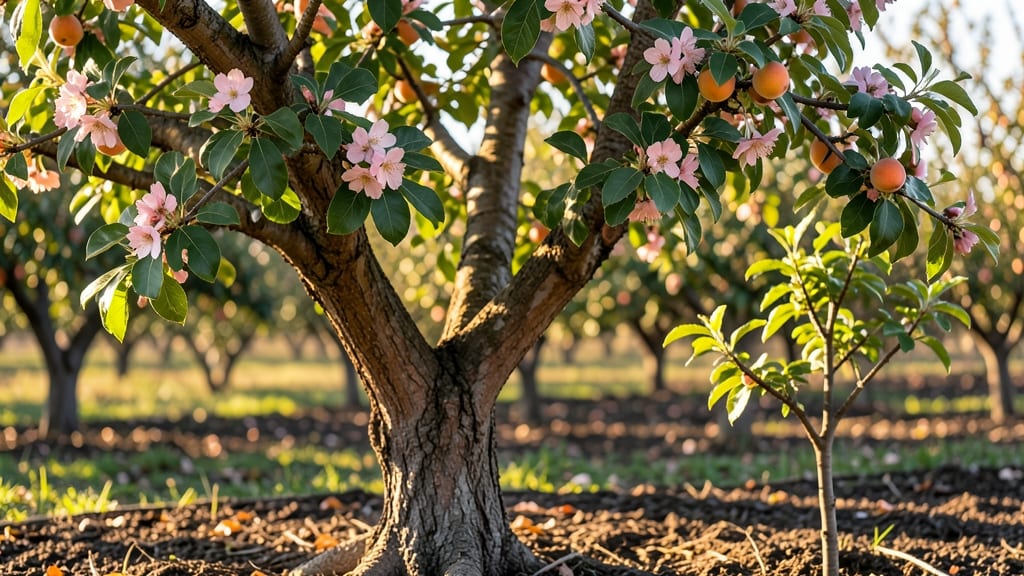
How tall does an apricot tree grow? It typically reaches between 15 and 30 feet at maturity, towering over most home gardens unless you choose a dwarf variety.
If you’re dreaming of homegrown apricots but worried about space, understanding the height of apricot trees is your first step to success—whether you have a sprawling backyard or just a tiny balcony.
Standard varieties can reach 20 to 30 feet, making them perfect for rural properties but a challenge in urban settings. Dwarf and semi-dwarf options, however, stay between 8 and 18 feet, fitting neatly into smaller yards or even large containers.
Below, I’ll break down the height differences between varieties, how pruning can shape your tree, and the best spacing tips to ensure your apricot tree thrives—no matter how much (or little) room you have.


Apricot tree height variations: dwarf vs semi-dwarf vs standard sizes explained
Choosing the right apricot tree size is crucial for garden planning, especially if you're working with limited space. Standard apricot trees can reach 20-30 feet tall, making them perfect for large backyards, but they're not always practical for smaller properties.
The good news? Dwarf and semi-dwarf varieties offer compact alternatives without sacrificing fruit production. Let's break down the key differences so you can pick the perfect fit for your garden.
Understanding these height variations helps you visualize how much space your apricot tree will need to thrive. Mature height isn't the only factor—growth rates and canopy spread also play a role in planning.
For example, a dwarf apricot tree might only grow 8-12 feet tall but still require careful pruning to maintain its shape. Meanwhile, standard varieties grow much taller but may need more room for their spreading branches.
Here’s how these height categories compare in terms of space requirements and care needs:
If you're growing apricots in a small garden or container, dwarf varieties are your best bet. They mature quickly and stay manageable with minimal pruning. For example, the 'Tilton' apricot is a popular dwarf variety that tops out around 10 feet tall and produces sweet, flavorful fruit.
These trees are also ideal for balcony gardening if you use large containers with proper drainage.
Semi-dwarf apricot trees strike a balance between size and space needs. They’re perfect for medium-sized gardens where you want a tree that’s taller than dwarf varieties but still easier to manage than standard trees.
Varieties like 'Gold Bar' or 'Sungold' typically reach 15–18 feet tall and thrive in USDA Zones 5–9. Their faster growth rate means you’ll enjoy apricots sooner than with dwarf trees, but they’ll still fit comfortably in most suburban yards.
Standard apricot trees are the classic choice for those with ample space. While they can grow taller than a two-story house, their sprawling canopies make them stunning focal points in large landscapes.
Varieties like 'Blush' or 'Royal' are excellent for orchards or rural settings where you have room for their full growth potential. Just be prepared for more intensive pruning and maintenance to keep them healthy and productive.
When planning your garden, consider not just the height of the tree but also its canopy spread. A standard apricot tree’s branches can extend 15–25 feet wide, which means you’ll need to account for that space when placing it in your yard.
Dwarf varieties, on the other hand, have a more controlled spread, making them easier to integrate into tight spaces or even near patios and decks.
Another factor to consider is the growth rate of each variety. Dwarf trees grow at a moderate pace (1–2 feet per year), while standard trees can shoot up 3–5 feet annually in ideal conditions.
This affects how quickly you’ll need to provide support, such as staking or pruning, to guide their growth. For example, a 3-year-old standard apricot tree could already be 10–12 feet tall, so early planning is key.
For urban gardeners or balcony growers, dwarf apricot trees are a game-changer. With the right container—at least 15–20 gallons—you can grow a productive tree that fits on a small balcony or patio.
Just ensure the container has drainage holes and use a high-quality potting mix to prevent root rot. Semi-dwarf trees can also work in large containers, but they’ll need more frequent watering and fertilizing to compensate for their root restrictions.
No matter which size you choose, remember that pruning plays a huge role in managing your apricot tree’s height and shape. Regular pruning not only keeps the tree under control but also improves air circulation and fruit production.
If you’re growing a dwarf variety, you might only need to prune lightly each year, while standard trees will require more aggressive pruning to maintain their size and health.
Start small with a dwarf or semi-dwarf apricot tree if space is limited, but don’t underestimate the joy of growing fruit on a larger scale. Whether you’re dreaming of a backyard orchard or a balcony harvest, choosing the right tree height sets you up for success—and delicious apricots! 🍑🌳
Best apricot tree varieties for small gardens: compact options under 10 feet
Small gardens don’t have to mean giving up on homegrown apricots! With the right dwarf or semi-dwarf varieties, you can enjoy sweet, juicy fruit without sacrificing precious space. These compact apricot trees thrive in containers, along fences, or in tight backyard corners while still producing abundant harvests.
The key is choosing varieties specifically bred to stay under 10 feet tall—some even reach maturity in just 3-5 years.
When selecting a compact apricot tree, prioritize varieties with strong disease resistance and self-pollinating capabilities to simplify care. Most dwarf apricots bear fruit earlier than standard trees, often within 2-3 years of planting.
Pair your tree with a well-draining soil mix and full sun exposure to maximize fruit production, even in limited space. With proper care, these petite powerhouses can yield 50-100 apricots per season—enough to enjoy fresh and preserve for winter.
Compact Apricot Varieties Under 10 Feet
- 🍑 'Goldcot' - 8-10 ft | Disease-resistant, self-pollinating, produces golden-yellow fruit
- 🍑 'Patterson' - 6-8 ft | Early ripening, red-blushed fruit, ideal for containers
- 🍑 'Tilton' - 8-10 ft | Cold-hardy, large orange fruit, great for USDA Zone 5
- 🍑 'Sungold' - 7-9 ft | Sweetest variety, self-fertile, perfect for small patios
- 🍑 'Crimson King' - 6-8 ft | Deep red fruit, compact growth, excellent for urban gardens
All varieties thrive in full sun and well-draining soil—ideal for containers or ground planting.
For container growing, select varieties like 'Patterson' or 'Sungold', which adapt well to 15-20 gallon pots. Use a lightweight potting mix with perlite to prevent root rot, and place your container where it receives at least 6 hours of direct sunlight daily.
Dwarf apricot trees in containers may need annual repotting to accommodate root growth, typically in early spring before new growth begins.
To maximize fruit production in small spaces, focus on proper pruning techniques during dormancy (late winter). Remove any crossing branches or suckers at the base to maintain an open canopy that allows sunlight to reach all fruit.
Thin out excess fruit when they're 1 inch in diameter to ensure larger, higher-quality apricots. This simple step can double your harvest size while keeping your compact tree manageable.
Don’t overlook the importance of seasonal care adjustments for small-space apricot trees. During summer, increase watering frequency to every 5-7 days if temperatures exceed 90°F, as compact trees have less root mass to regulate moisture.
Apply a balanced fertilizer (10-10-10) in early spring and again after harvest to support vigorous growth and fruit development. Mulch around the base with 2-3 inches of organic matter to retain soil moisture and suppress weeds.
With these compact varieties and care tips, you can enjoy the rewards of homegrown apricots without needing a sprawling orchard. Whether you choose a container-grown 'Sungold' for your patio or a ground-planted 'Tilton' in your narrow yard, these petite powerhouses prove that big flavors come in small packages.
Start with one of these varieties this spring, and you’ll be harvesting sweet apricots in just a few years! 🌱