
Size
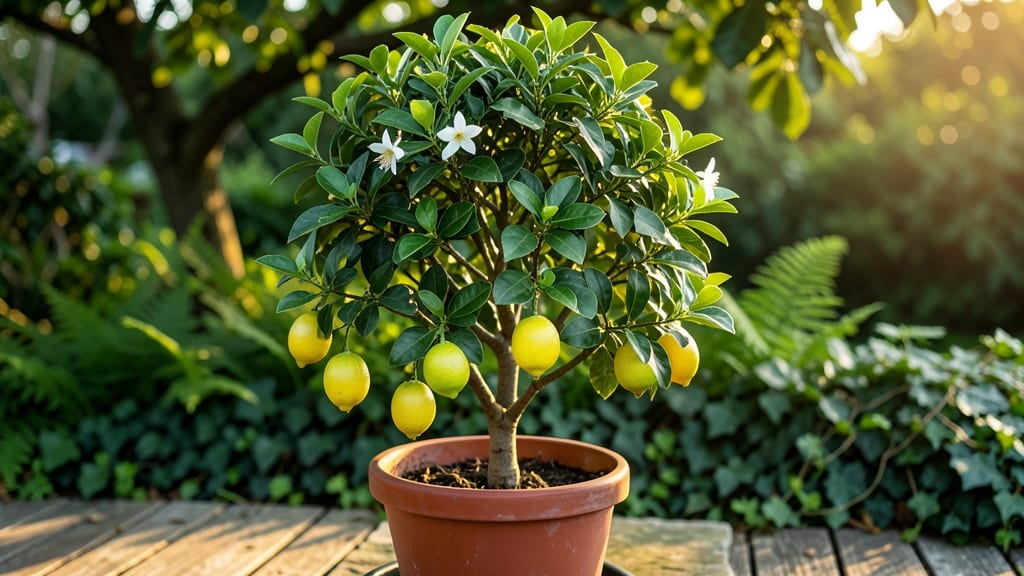
A dwarf lemon tree size can range from 3 to 8 feet at maturity, making it the perfect fit for small gardens, balconies, or even large containers 🍋 — but not all varieties stay that compact.
Dreaming of fresh lemons but short on space? Dwarf lemon trees offer the perfect solution—delicious fruit without sacrificing your backyard or balcony. But how big do they really get? We break down mature sizes by variety so you can pick the perfect fit for your garden.
Some varieties, like the Meyer lemon, max out around 6 feet, while others like the Improved Meyer can stretch closer to 8 feet if left unpruned. The key to keeping them manageable lies in pruning, container size, and sunlight exposure.
In this guide, you’ll discover how to control growth, compare popular dwarf varieties, and learn whether a container or in-ground planting will work best for your space.


Dwarf lemon tree mature height by variety: compact options under 6 feet
Choosing a dwarf lemon tree lets you enjoy fresh fruit without needing a sprawling yard. But not all compact varieties grow the same size—some stay under 4 feet, while others reach 6 feet at maturity.
Understanding these differences helps you pick the perfect fit for your container garden or small patio. Let’s compare the most popular dwarf varieties so you can make an informed decision.
Size isn’t the only factor—growth habits also matter. Some varieties grow taller and narrower, while others spread wider, making them ideal for ground planting or balcony containers.
Below, we’ll break down mature heights, spreads, and growth tips for each variety to help you visualize how they’ll fit into your space.
Whether you’re dreaming of a Meyer lemon tree for its sweet fruit or a Lisbon dwarf for classic lemons, knowing the exact size ensures your tree thrives without outgrowing its home. Let’s dive into the details so you can choose confidently.
| Variety | Mature Height | Spread | Growth Habit | Best For |
|---|---|---|---|---|
| Meyer Lemon | 4–6 ft | 3–5 ft | Upright, bushy | Containers, patios, small yards |
| Improved Meyer | 5–6 ft | 4–6 ft | Compact, rounded | Balconies, large pots, ground planting |
| Eureka Dwarf | 6–8 ft | 5–7 ft | Tall, narrow | Ground planting, larger containers |
| Lisbon Dwarf | 5–7 ft | 4–6 ft | Bushy, spreading | Ground planting, small orchards |
The Meyer lemon is the smallest option, making it perfect for container gardening on patios or balconies. Its 4–6 foot height and 3–5 foot spread fit easily into 15–20 gallon pots, while its bushy growth habit maximizes fruit production in tight spaces.
If you love sweet, flavorful lemons, this is the variety for you.
For those who want a slightly larger tree but still need a compact option, the Improved Meyer is a fantastic choice. It grows just a bit taller (5–6 feet) but maintains a rounded shape, making it ideal for large containers or ground planting in small yards.
This variety is also more cold-hardy than standard Meyer lemons, extending its growing range.
If you’re planting in the ground and want a taller dwarf lemon tree, the Eureka Dwarf is a top pick. It reaches 6–8 feet at maturity, with a narrower spread that works well in small orchards or along fences.
Eureka lemons are classic in flavor, making them a favorite for home cooks who prefer traditional lemons over sweeter varieties.
The Lisbon Dwarf strikes a balance between size and spread, growing 5–7 feet tall with a 4–6 foot spread. Its bushy, spreading habit makes it great for ground planting or larger containers, and it produces high-quality fruit similar to standard Lisbon lemons.
This variety is a solid choice if you want a mix of size and productivity.
When selecting a variety, consider your garden layout and container size. For example, a Meyer lemon in a 15-gallon pot will thrive, while an Eureka Dwarf may need a 25-gallon container or ground planting to accommodate its height.
Always choose a pot at least 2–3 inches larger in diameter than the tree’s root ball for optimal growth.
Pruning plays a key role in managing size. Regular light pruning (removing 10–20% of growth annually) keeps trees compact and encourages fruit production. For container-grown trees, prune in late winter or early spring to shape the tree and remove any dead or overcrowded branches.
This practice ensures your dwarf lemon stays within your desired height limits.
Remember, sunlight and watering also affect size. Dwarf lemon trees need 6+ hours of full sun daily and consistent moisture (but avoid waterlogging). In containers, water when the top 1–2 inches of soil feel dry, while in-ground trees
How to control dwarf lemon tree size: pruning and care tips for optimal growth
Keeping your dwarf lemon tree at a manageable size starts with understanding its natural growth habits. Without proper care, even dwarf varieties can grow taller than expected—sometimes reaching 8 feet or more.
The key is combining regular pruning, smart container management, and ideal growing conditions to maintain your desired height, whether that's 4-5 feet for a patio or 6 feet for a small garden corner.
Pruning isn't just about cutting branches—it's about shaping growth and encouraging fruit production. I've found that late winter or early spring is the best time to prune, right before new growth begins.
This timing helps redirect energy toward producing lemons rather than excessive foliage. For container-grown trees, pruning becomes even more critical since root space is limited, which naturally restricts vertical growth.
- 1
- 2
- 3
- 4
- 5
- 6
Container size plays a surprisingly large role in controlling height. I've noticed that root-bound trees often grow taller as they stretch toward sunlight. If your tree is in a pot, check for roots circling the drainage hole—this is a clear sign it's time to upgrade container sizes or repot.
Using a well-draining citrus mix with perlite or sand also helps regulate growth by preventing waterlogged roots, which can stress the tree and lead to erratic growth patterns.
Environmental factors like watering habits and temperature also influence size. Overwatering can cause rapid, weak growth, while underwatering stresses the tree and may lead to stunted development. I recommend watering deeply once a week during warm months, allowing the top 1-2 inches of soil to dry out between waterings.
In cooler months, reduce frequency to every 2-3 weeks. Mulching around the base with organic matter helps maintain even moisture levels and supports steady, controlled growth.
For the best results, combine these techniques with seasonal adjustments. Prune lightly in summer to shape the tree and remove any sucker growth at the base. In winterdwarf lemon tree at your ideal height—whether that's 4 feet for a countertop display or 6 feet for a small garden.