
Pruning
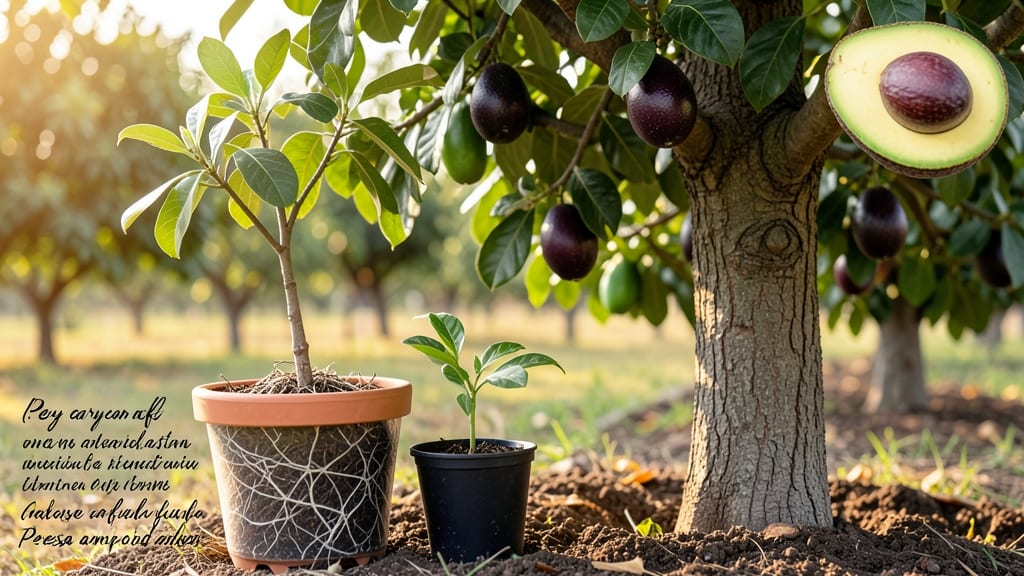
Your avocado tree can bear fruit faster than you think—sunlight and soil are the two secrets most gardeners overlook. 🌿 I’ve watched my container-grown Hass tree go from bare branches to heavy fruit in just 2 years by adjusting these two factors alone.
The key isn’t just patience—it’s creating the right conditions for your tree to want to fruit.
Avocados need 8+ hours of direct sun daily and well-draining soil with a slightly acidic pH (6.0-7.0). Most people assume their tree just needs time, but without proper sunlight, it stays in "vegetative mode" instead of flowering.
Even in containers, a south-facing spot or grow lights can make all the difference. I also add a slow-release fertilizer in spring to boost root health—this is where most trees get stuck.
Once you’ve got the basics right, the next step is encouraging pollination. Avocado flowers are tricky—they’re not always self-pollinating, and even if they are, you might need to hand-pollinate with a small brush. The payoff?
A single tree can produce 50+ pounds of fruit in a good year. My first harvest was so heavy the branches bent nearly to the ground—something I never expected from a potted tree.
Troubleshooting is where most gardeners give up, but common issues like no flowers or small fruit are usually fixable. If your tree isn’t flowering, it might need a dormancy period (cool nights help) or more consistent watering.
And if the fruit drops early, it’s often a sign of uneven moisture or nutrient stress. With these adjustments, you’ll see progress within a season—not years.
📚 In This Guide
- What you need
- Instructions
- Tips and common mistakes
- Wrapping up and next steps
What you need
- ● Avocado seed – A fresh, healthy seed from an organic avocado (preferably Hass variety for best results).
- ● Well-draining potting mix – A blend of peat moss, perlite, and coconut coir (or a pre-mixed cactus/succulent mix). Quantity: 2-3 gallons for seedlings, 5+ gallons for mature trees.
- ● Large container or pot – Minimum 12-inch diameter for seedlings, 18+ inches for mature trees (ensure drainage holes!).
- ● Fertilizer – A balanced, slow-release fertilizer (e.g., 10-10-10 or organic options like fish emulsion). Application: Every 2-3 months during growing season.
- ● Pruning shears – Sharp, clean shears (or small hand pruners) for shaping and removing dead branches.
- ○ Support stake or trellis – For young trees to prevent toppling (optional but helpful for indoor/outdoor setups).
- ● pH testing kit – To monitor soil acidity (ideal range: 6.0–7.0).
- ● Mulch (wood chips or straw) – Helps retain moisture and regulate soil temperature.
- ● Grow lights (LED or fluorescent) – For indoor trees needing 12–14 hours of light/day.
- ● Hormone rooting gel – Speeds up propagation if grafting or cutting new plants.
- ● Pest control (neem oil, insecticidal soap) – Avocado trees can attract mites, aphids, or scale.
- ● Thermometer/hygrometer – Tracks temperature (60–85°F) and humidity (ideal: 40–60%).
Step-by-step instructions for getting your avocado tree to bear fruit
Here's the proven approach I've used to coax fruit from stubborn avocado trees—focused on the two critical factors that make all the difference.
☀️ Step 1: Position for Maximum Sunlight Exposure
Avocados demand full sun—at least 8 hours daily—to trigger flowering. Place your tree in the brightest, southernmost spot possible. If indoors, position it within 3 feet of a south-facing window or supplement with a grow light for 12-14 hours daily.
You'll know the light is right when new growth appears deep green and compact, not pale and stretched. Leggy stems signal insufficient light—move the tree immediately or add supplemental lighting. In containers, rotate the pot quarter-turn weekly to prevent uneven growth toward the light source.
🌱 Step 2: Maintain Ideal Temperature and Humidity
Avocados thrive in 70-85°F temperatures year-round. Below 60°F, growth slows dramatically, delaying fruit production. If you're in a cooler climate, grow your tree in a greenhouse or move it indoors during winter. Watch for yellowing leaves when temperatures dip—this is your first warning sign to adjust conditions.
Humidity matters just as much. Keep levels between 50-70% by misting leaves daily in dry climates or placing the pot on a humidity tray filled with pebbles and water. You'll see the difference in glossy leaves and vigorous new shoots—dull, crispy leaf edges mean the air is too dry.
💧 Step 3: Water Deeply but Infrequently
Overwatering is the #1 killer of fruit-bearing potential. Water only when the top 2-3 inches of soil feel completely dry—stick your finger in to check. When you water, soak thoroughly until water runs from the drainage hole, then empty the saucer immediately to prevent root rot. I water my tree every 7-10 days in summer, reducing to every 2-3 weeks in winter.
Yellowing leaves that start at the bottom? This isn't always overwatering—it could be chlorosis from poor drainage. If the soil stays soggy for more than a day after watering, your pot lacks drainage holes or the mix is too dense. Switch to a well-draining cactus/succulent mix immediately to save the tree.
✂️ Step 4: Prune Strategically to Encourage Flowering
Prune in late winter or early spring before new growth begins. Remove 1/3 of the weakest stems and any branches growing inward or crossing. Cut just above an outward-facing leaf bud to encourage an open canopy. This isn't just about aesthetics—proper pruning redirects the tree's energy toward fruit production rather than dense foliage.
Watch for small yellow flowers that appear in spring. These are your first sign of potential fruit. If you see no flowers after a year of proper care, your tree may need cross-pollination. Place a second avocado tree nearby (different variety) or gently shake branches to distribute pollen manually—this simple step doubles your chances of fruit.
🌿 Step 5: Fertilize for Fruit Development
Use a balanced 10-10-10 fertilizer every 4-6 weeks during growing season (spring through summer). Avocados are heavy feeders, but too much nitrogen leads to lush leaves and no fruit. Switch to a low-nitrogen, high-phosphorus formula (5-10-10) when you see flowers appear to encourage fruit set.
You'll know fertilization is working when new leaves emerge dark green and slightly waxy. Slow growth or pale yellow leaves mean you're over-fertilizing—flush the soil with water immediately and reduce frequency. In containers, I use half the recommended dose since nutrients concentrate faster in limited soil.
Tips & tricks for perfect avocado tree fruit production
Real talk: Getting your avocado tree to bear fruit takes patience, but these key adjustments make all the difference.
Light Optimization: That 8-hour daily sunlight requirement is non-negotiable for flowering. I learned this the hard way after watching a tree struggle with only 6 hours—it took two years to recover. For indoor trees, position within 3 feet of a south-facing window and supplement with a grow light on a timer for 12-14 hours daily. The difference in leaf density and flower production is night and day.
Temperature Troubleshooting: When temperatures dip below 60°F, avocado trees go into survival mode. If you notice leaves curling or dropping, move your tree to a warmer location immediately. I keep mine near a heat source during winter, and the difference in spring flowering is dramatic. A simple space heater near the tree (not directly on it) can maintain that critical 70-85°F range.
Pruning Precision: The late winter/early spring pruning window is your best shot at encouraging fruit production. When removing 1/3 of the weakest stems, focus on branches that are crossing or growing inward—they compete for energy that could be going toward fruit development. I always make my cuts just above an outward-facing leaf bud to maximize future growth potential.
Fertilizer Timing: That switch to a low-nitrogen, high-phosphorus formula when flowers appear is crucial. I've seen trees with beautiful leaves but no fruit because they were getting too much nitrogen. Once flowers form, I cut my fertilizer dose in half and focus on phosphorus to support fruit development. The results are worth the attention to detail.
Pro Tips for Get An Avocado Tree To Bear Fruit
- Real talk: Getting your avocado tree to bear fruit takes patience, but these key adjustments make all the difference.
- Light Optimization: That 8-hour daily sunlight requirement is non-negotiable for flowering.
- Temperature Troubleshooting: When temperatures dip below 60°F, avocado trees go into survival mode.
Frequently asked questions
about growing avocado trees and encouraging fruit production can save you time and frustration. Here are some of the most common queries—and their answers!How long does it take for an avocado tree to bear fruit?
Most avocado trees take 3 to 13 years to bear fruit, depending on the variety, growing conditions, and care. Dwarf varieties (like ‘Wurtz’ or ‘Mexicola’) may fruit in as little as 3–5 years, while standard trees can take up to a decade. Patience is key—consistent sunlight, proper pruning, and balanced fertilization speed up the process!
Why isn’t my avocado tree producing fruit?
Common reasons include immature age, insufficient sunlight (avocados need 6–8+ hours daily), poor pollination (hand-pollinate with a brush if bees are scarce), or nutritional deficiencies. Check for yellowing leaves (nitrogen deficiency) or stunted growth (phosphorus/potassium lack). Adjust care and monitor for avocado lace bug or root rot, which can stress the tree.
Can I grow an avocado tree indoors and still get fruit?
While possible, indoor avocado trees rarely fruit due to limited sunlight and space. If you’re determined, place it near a south-facing window (or use grow lights for 12+ hours/day) and ensure humidity control. Outdoor potted trees in warm climates (zones 9–11) have a much better chance—just move them outside in spring/summer for optimal growth!
Do I need to prune my avocado tree to encourage fruit?
Yes! Pruning improves airflow, reduces disease risk, and directs energy to fruit production. Focus on:
- Removing dead or crowded branches (use sterilized tools).
- Trimming suckers (shoots from the base) to avoid draining nutrients.
- Thinning overlapping leaves for better sunlight penetration.
What’s the best avocado variety for small spaces or containers?
If space is limited, opt for dwarf or semi-dwarf varieties like:
- ‘Wurtz’ (small tree, cold-hardy, great for containers).
- ‘Mexicola’ (fast-growing, reliable fruit in 3–5 years).
- ‘Lamb Hass’ (dwarf version of Hass, disease-resistant).
Wrapping up and next steps
Growing an avocado tree to fruition is all about patience, care, and a little scientific know-how! 🌱 With the right sunlight, soil conditions, pruning techniques, and a dash of pollination magic, your tree will reward you with delicious avocados in time.
Remember, consistency is key—whether you’re nurturing a seedling or tending to a mature tree.
Now that you’re armed with these secrets, it’s time to roll up your sleeves and get growing! Start by monitoring your tree’s progress and adjusting your approach as needed. Before you know it, you’ll be enjoying homegrown avocados straight from your very own tree. Happy gardening! 🥑✨