
Trees
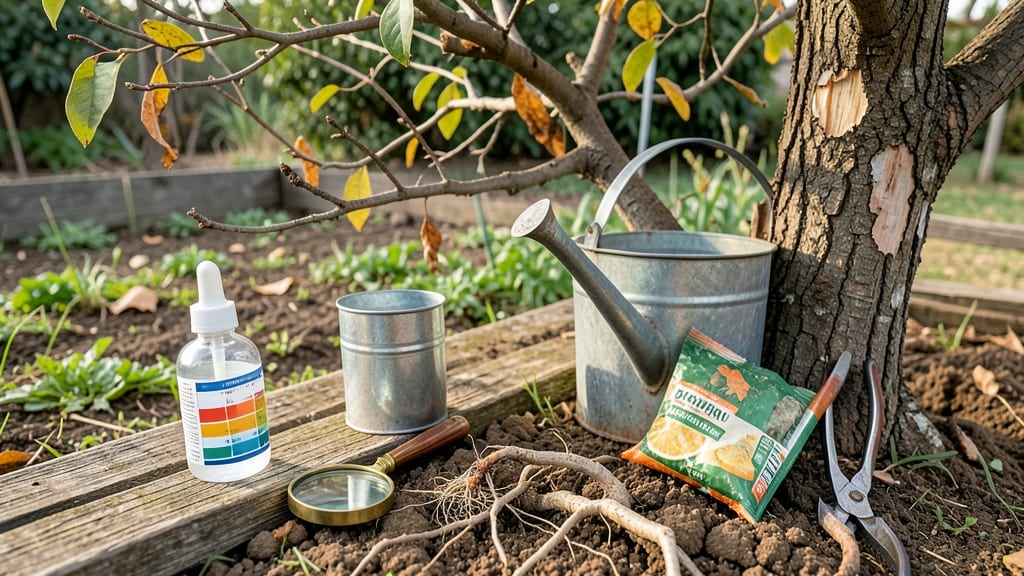
Your avocado tree not growing new leaves is a clear SOS from its roots. 🌱 I’ve nursed back three struggling trees by focusing on what’s really holding them back—often, it’s not what you’d expect.
The good news? You can turn this around in just a few weeks with targeted fixes that skip the guesswork.
Root rot, nutrient starvation, or even overzealous watering can all stall new growth. The first step is checking the soil: dig down 3-4 inches—if it smells sour or feels mushy, you’ve got rot.
Yellowing leaves? That’s often a sign of too much water or phosphorus overload. The key is balancing moisture, aeration, and feeding without smothering the roots.
Within 2-3 weeks of adjusting care, you’ll see fresh green leaves pushing through. I’ve seen trees go from skeletal to lush in that time—it’s all about giving the roots the right conditions to wake up. Start with a soil test kit ($10 at garden centers) to know exactly what’s missing.
This works for both potted and in-ground avocados, whether you’re dealing with a young sapling or a mature tree. The secret? Patience paired with precise fixes. Let’s get those leaves growing again—no more waiting for a miracle, just smart care.
Root Causes Behind Stalled Growth
When your avocado tree refuses to sprout fresh leaves, it’s usually a silent cry for help from its roots—or something blocking its path to survival. Understanding the why behind this issue is half the battle.
Below, we break down the most common culprits, backed by science, so you can diagnose the problem like a pro. 🌱🔍
Avocado trees (Persea americana) are tropical natives, meaning they thrive in USDA Zones 9–11 (average temps: 60–85°F). When temperatures dip below 32°F (0°C) or soar above 95°F (35°C) for prolonged periods, metabolic processes grind to a halt. Here’s how it plays out:
- Cold damage: Chilling injures root cells, disrupting water and nutrient uptake. The tree conserves energy by halting leaf production, focusing instead on protecting vital tissues. Symptom: Brown, crispy leaf edges or blackened stems.
- Heat stress: Extreme heat causes wilting (even at night) and leaf scorch. Roots struggle to absorb water, triggering a shutdown in photosynthesis and new growth. Symptom: Leaves turn yellow or grayish-green, then drop prematurely.
Pro Tip: 🌡️ If you’re in a marginal climate (like Zone 8), mulch heavily (3–4 inches of organic matter) to insulate roots. For heatwaves, provide afternoon shade with shade cloth (30–50%).
Avocado trees are drought-tolerant but not drought-proof. Their roots need consistent moisture to transport nutrients and hormones (like auxin) that trigger leaf growth. Here’s how water extremes sabotage your tree:
| Issue | Root Cause | Signs |
|---|---|---|
| Underwatering | Roots shrink and die back, reducing surface area for absorption. The tree prioritizes survival over growth. | Wilting leaves, dry soil 2+ inches deep, leaf drop. |
| Overwatering | Oxygen-starved roots (anaerobic conditions) suffocate, preventing nutrient uptake. Fungal pathogens (like Phytophthora) exploit weak roots. | Yellowing leaves, mushy stems, sour smell at the base. |
| Poor Drainage | Compacted or clay soil traps water, leading to root rot. Avocados hate “wet feet.” | Stunted growth, mold on soil, leaves curling inward. |
Fix It: 💡 Water deeply 1–2 times per week (check soil moisture 3 inches down—it should be damp, not soggy). For heavy clay soil, amend with compost or perlite to improve aeration.
New leaves rely on a balanced diet of macronutrients and micronutrients to develop. When one or more are missing, your avocado tree pauses leaf production as a survival tactic. Here’s what’s likely missing:
- Nitrogen (N): The “growth fuel” for leaves. Deficiency stalls cell division. Symptom: Pale yellow (chlorotic) new leaves.
- Potassium (K): Regulates water movement and enzyme activity. Low K = weak root pressure. Symptom: Brown leaf edges (scorch) on older leaves.
- Magnesium (Mg): Central to chlorophyll production. Without it, leaves can’t photosynthesize. Symptom: Yellow patches between leaf veins (interveinal chlorosis).
- Zinc (Zn) or Iron (Fe): Micronutrients critical for enzyme function. Deficiencies are common in alkaline soils. Symptom: Small, distorted new leaves (Zn) or white/yellow leaves (Fe).
Action Plan: 📊 Test your soil (pH should be 6.0–7.0 for avocados). Apply a balanced fertilizer (e.g., 6-6-6 NPK) in spring and fall. For micronutrients, use chelated iron or zinc sulfate if soil tests confirm deficiencies.
Hidden invaders can severely limit your tree’s ability to produce new leaves by damaging roots or blocking nutrient flow. Watch for these troublemakers:
- Root-Knot Nematodes: Microscopic worms that form galls on roots, reducing water/nutrient absorption. Symptom: Stunted growth, yellowing leaves, roots with knobby lumps.
- Fungal Root Rot (Phytophthora or Fusarium): Thrives in overwatered, compacted soil. Fungi consume root tissue, cutting off the tree’s lifeline. Symptom: Wilting despite wet soil, blackened roots, sudden leaf drop.
- Scale Insects or Mealybugs: Sap-sucking pests that weaken the tree, reducing energy for new growth. Symptom: Sticky residue (honeydew) on leaves, white cottony masses.
Combat Them: ✨ For nematodes, apply neem oil or beneficial nematodes (Steinernema). For fungal rot, improve drainage and treat with copper fungicide. Prune and hose off pests with soapy water.
Now that you’ve identified the likely culprit, the next step is action. But first—did you check for physical root damage (e.g., girdling roots or construction trauma)? That’s another top reason trees stall. 🚧
Revive Your Avocado Tree Now
If your avocado tree is refusing to sprout new leaves, don’t panic—most issues are fixable with the right care. Below, we’ve mapped out practical solutions for each common cause, along with prevention tips to keep your tree thriving.
Follow these steps to nurse your tree back to health and encourage fresh, lush foliage.
If roots are waterlogged, compacted, or damaged, your tree can’t absorb nutrients or water properly, leading to stunted growth.
🔥 Step 1: Check the Soil
- Dig 6–12 inches deep around the base (but avoid disturbing the root ball too much).
- Look for dark, mushy soil (sign of rot) or hard, compacted layers (poor drainage).
- 💡 Pro Tip: If the soil smells like rot or feels soggy, root rot is likely.
If it’s rock-hard, drainage is the issue.
🍳 Step 2: Improve Drainage
- For waterlogged soil:
- Mix in organic matter like compost or coconut coir to loosen the soil.
- Consider raising the planting bed slightly (if in a pot, add perlite or pumice).
- ⏰ Timeframe: Replant if roots are severely damaged; otherwise, amend soil gradually.
- For compacted soil:
- Use a garden fork to aerate the soil around the roots.
- Add sand or grit (50% sand, 50% existing soil) to improve drainage.
👨🍳 Step 3: Prune Damaged Roots (If Needed)
- If roots are black, mushy, or slimy, trim them with sterilized pruners (clean with rubbing alcohol).
- ⚠️ Warning: Only do this if the tree is not in active growth (late fall/winter is ideal).
- Replant in fresh, well-draining soil with a mycorrhizal fungus (helps roots absorb nutrients).
🌡️ Prevention Tips
- Never let soil stay soggy—avocados hate "wet feet." Water deeply but only when the top 2 inches of soil are dry.
- Use pots with drainage holes if growing in containers.
- Mulch lightly (1–2 inches) to retain moisture without suffocating roots.
Overwatering or underwatering can both shock an avocado tree, halting new leaf growth.
🔥 Step 1: Test Soil Moisture
- Stick your finger 2 inches into the soil—if it’s dry, water; if damp, wait.
- 💡 Pro Tip: Use a moisture meter for accuracy, especially in pots.
🍳 Step 2: Water Correctly
- For potted avocados: Water thoroughly until it drains from the bottom, then empty the saucer.
- For in-ground trees: Water deeply 1–2 times per week (more in extreme heat).
- ⏰ Best Time: Water in the early morning to reduce evaporation and fungal risk.
👨🍳 Step 3: Flush the Soil (If Salty)
- If leaves are yellowing with brown tips, salt buildup may be blocking water uptake.
- 🔪 Solution: Run clean water through the soil for 10–15 minutes to leach out salts.
🌡️ Prevention Tips
- Avoid shallow, frequent watering—deep soakings encourage strong roots.
- Reduce water in winter (growth slows, so does water need).
- Use rainwater or filtered water if your tap water is hard.
Yellowing leaves, weak stems, or slow growth often mean your tree is starving—even if you’re watering well.
🔥 Step 1: Diagnose the Deficiency
| Symptom | Likely Nutrient Missing | Quick Fix |
|---|---|---|
| Yellow leaves (old first) | Nitrogen (N) | Apply balanced fertilizer (10-10-10) or compost tea |
| Yellow leaves (new first) | Magnesium (Mg) | Sprinkle Epsom salt (1 tbsp/gallon water) monthly |
| Purple stems/leaves | Phosphorus (P) | Use bone meal or rock phosphate |
| Brown leaf edges | Potassium (K) | Apply wood ash or potassium sulfate |
🍳 Step 2: Fertilize Properly
- For potted trees: Use a slow-release fertilizer (like Osmocote) every 3–4 months.
- For in-ground trees: Spread compost or well-rotted manure around the drip line (not the trunk).
- 💡 Pro Tip: Avoid over-fertilizing—it burns roots! Follow package instructions.
👨🍳 Step 3: Check pH Levels
- Avocados prefer slightly acidic soil (pH 6.0–7.0).
- Test with a soil pH kit—if too alkaline, add sulfur or peat moss to lower pH.
🌡️ Prevention Tips
- Fertilize in spring/summer (when the tree is actively growing).
- Use organic matter (compost, worm castings) for long-term soil health.
- Avoid synthetic fertilizers in winter—they can shock dormant trees.
Avocados need bright, indirect light—too much shade or harsh sun can stress them.
🔥 Step 1: Assess Light Exposure
- Ideal: 6+ hours of dappled sunlight (morning sun + afternoon shade).
- Too much shade? Move the tree to a sunnier spot or supplement with grow lights.
- Too much direct sun? Use a light sheer curtain or move to partial shade.
🍳 Step 2: Protect from Temperature Shocks
- Cold drafts? Move potted trees indoors or use a frost cloth in winter.
- Heatwaves? Mist leaves early in the day to reduce stress (but avoid soggy leaves).
👨🍳 Step 3: Improve Airflow
- Prune crowded branches to allow light and air circulation.
- ⚠️ Warning: Avoid pruning during hot, dry months—it stresses the tree.
🌡️ Prevention Tips
- Rotate potted trees occasionally for even light exposure.
- Avoid placing near AC vents or heaters—temperature swings hurt growth.
- Group trees together (if possible) to create a microclimate.
Insects and pathogens can drain your tree’s energy, stopping new leaf growth.
🔥 Step 1: Identify the Culprit
| Pest/Disease | Signs | Solution |
|---|---|---|
| Spider Mites | Tiny webs, yellow stippling leaves | Spray with neem oil or water blast |
| Scale Insects | Sticky residue, white bumps | Scrape off with a soft brush, then apply horticultural oil |
| Root-Knot Nematodes | Wilting, stunted growth, galls on roots | Replace infested soil, use marigolds as a trap crop |
| Fungal Leaf Spot | Dark spots with yellow halos | Remove infected leaves, spray copper fungicide |
🍳 Step 2: Apply Natural Remedies
- Neem oil spray (1 tsp neem oil + 1 tsp mild soap + 1 quart water) every 7–10 days for pests.
- Baking soda spray (1 tbsp baking soda + 1 quart water + drop of soap) for fungal issues.
- 💡 Pro Tip: Ladybugs and lacewings
Frequently asked questions
Why are my avocado tree's leaves turning yellow before new ones grow?
Yellowing leaves are often a sign of overwatering or nutrient deficiencies. Check the soil—if it's soggy or smells sour, you likely have root rot. For deficiencies, test your soil pH (6.0-7.0 ideal) and add compost or a balanced fertilizer. Yellowing usually stops within 2-3 weeks of correcting these issues.
Can I save my avocado tree if it has no leaves at all?
Yes! First check for root damage by gently lifting the tree (if potted) or digging around the base. If roots are black/mushy, trim the damaged parts and replant in fresh, well-draining soil. For bare branches, prune back 1/3 of the height to encourage new growth—trees often regrow from dormant buds.
How often should I fertilize an avocado tree that's not growing new leaves?
Start with a soil test to identify deficiencies. For general care, use a balanced fertilizer (6-6-6 NPK) every 3 months during growing season (spring-fall). Over-fertilizing can burn roots—always water thoroughly after applying. For micronutrients, try Epsom salt (magnesium) monthly if new leaves appear yellow.
Is it too late to fix my avocado tree if it's been like this for months?
Not necessarily! Even long-term issues can be reversed. Focus on root health first—improve drainage, adjust watering, and add organic matter. For severe cases, consider root pruning (trimming damaged roots) in late winter. With consistent care, you'll often see new growth within 4-6 weeks. Patience is key—trees recover faster than you think!