
Plants
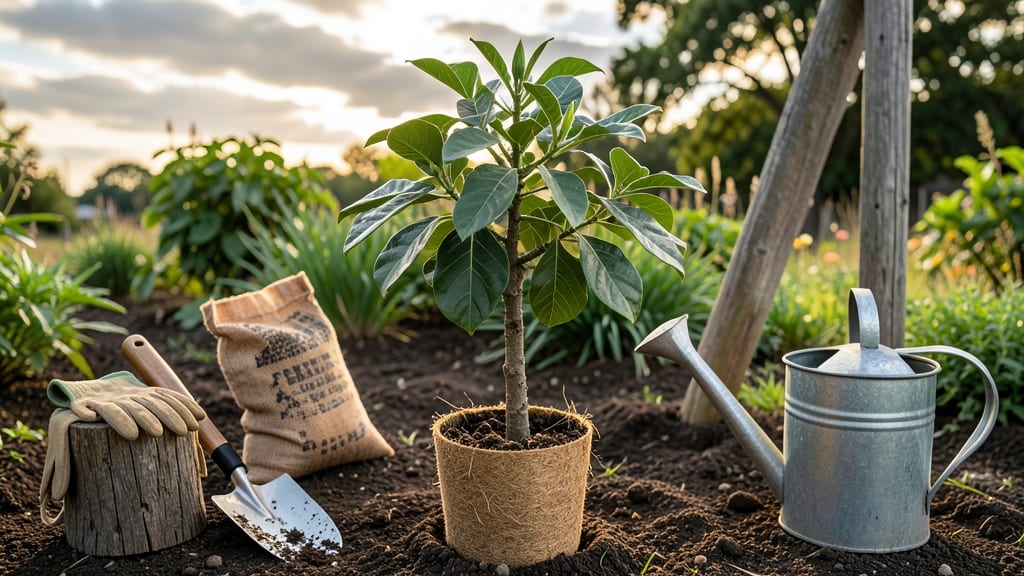
Planting an avocado tree 🥑 in the ground at the right time ensures it thrives instead of freezing or struggling—so timing is everything.
Picture this: you’ve spent months nurturing your sapling, only to watch it wilt under a late frost or languish in cold soil. That’s why knowing your local frost-free window is the key to success.
Avocados are tropical trees that need warmth to establish roots, meaning spring planting is critical in most climates. But here’s the catch: coastal areas like California can plant earlier than inland zones, while Florida’s humidity demands extra caution.
Below, I break down the exact months to plant by USDA zone, how to prep your soil, and the 3 biggest mistakes that kill young trees before they even take hold.
Optimal planting months for avocado trees by USDA climate zones
Avocado trees (Persea americana) thrive in warm climates, but planting them at the right time ensures strong root establishment before summer heat or winter chills arrive. Since these tropical trees cannot tolerate frost, timing depends entirely on your USDA hardiness zone and local frost-free window.
In Zones 8-11, the ideal window varies dramatically—from early spring in Zone 11 to late spring in Zone 8.
For Zone 8 (e.g., parts of California’s Central Valley or Florida’s Panhandle), the last frost typically occurs between March 15 and April 15. Planting 4-6 weeks after your last frost date gives roots time to establish before summer’s intense heat.
In Zone 9 (e.g., Southern California or Houston, Texas), the window shifts to March 1 to April 30, while Zone 10 (e.g., Miami, Florida) allows planting as early as January 15.
Soil temperature is just as critical as air temperature. Avocado roots struggle to grow in cold soil, so wait until the ground reaches at least 60°F (15°C)—a threshold most regions hit 2-4 weeks after the last frost.
In coastal areas like San Diego, this might mean planting in late February, while inland Phoenix gardeners can start as early as January.
Regional microclimates add another layer of complexity. For example, urban heat islands in cities like Los Angeles can push planting dates 2-3 weeks earlier than rural areas, while high-altitude Zone 9 spots (like Santa Barbara) may require waiting until April.
Always check your local Almanac frost data or use a planting calendar tailored to your ZIP code.
Here’s a quick comparison of optimal planting windows by zone, including soil temperature cues and regional adjustments:
| USDA Zone | Last Frost Date | Ideal Planting Window | Soil Temp Requirement | Regional Adjustments |
|---|---|---|---|---|
| Zone 8 | March 15–April 15 | April 1–May 15 | 60°F+ (15°C+) | Coastal: 2 weeks earlier; Inland: delay 1 week |
| Zone 9 | February 15–March 15 | March 1–April 30 | 60°F+ (15°C+) | Urban areas: 1 week earlier; High-altitude: delay 2 weeks |
| Zone 10 | January 1–February 15 | January 15–March 15 | 60°F+ (15°C+) | Coastal Florida: as early as December; Inland: wait until February |
| Zone 11 | None (frost-free) | Year-round (best: Jan–Feb) | 60°F+ (15°C+) | Avoid summer planting (heat stress); Monsoon areas: wait until rains subside |
In California, for instance, Zone 9b gardeners in Los Angeles can plant as early as mid-February if soil is warm, while Zone 8a growers in Sacramento should wait until mid-April. Florida’s Zone 10a allows planting in December, but hurricane season (June–November) makes spring planting safer.
Meanwhile, Texas’ Gulf Coast (Zone 10) can plant in January, but North Texas (Zone 8) must wait until April.
One common mistake is planting too early in Zone 9 or 10, assuming the tree will “toughen up.” Young avocado trees cannot survive even light frost, so rushing the process risks root damage or death.
Conversely, planting too late in Zone 8 leaves the tree vulnerable to summer drought stress before roots establish. Aim for a 6-week buffer between planting and peak summer heat.
Pro tip: If you’re in a transition zone (e.g., Zone 8b/9a), consider container growing for the first year. This lets you move potted trees indoors or to a garage during
How to calculate your local frost-free window for avocado planting
Planting your avocado tree at the right time ensures it thrives—not wilts. Since avocados are tropical, they can't handle frost, so knowing your frost-free window is critical. This window is the period between your last spring frost and first fall frost, and it dictates when you should plant.
Without this data, you risk planting too early and exposing your young tree to deadly cold snaps.
Start by checking your USDA hardiness zone. Avocados grow best in Zones 9-11, but even within these zones, frost timing varies. For example, coastal areas like San Diego may have a longer frost-free window than inland Phoenix.
Microclimates—like urban heat islands or south-facing slopes—can also shift your ideal planting window by 2-4 weeks. Let's break this down step by step to find your precise timing.
- 1 Find your last spring frost date
- 2 Check soil temperature (aim for 60°F+)
- 3 Adjust for microclimates (urban areas warm up faster)
- 4 Use plant hardiness tools (like USDA Plant Hardiness Zone Map)
- 5 Plant 2-4 weeks after last frost (soil must be warm)
First, locate your last spring frost date using resources like the National Oceanic and Atmospheric Administration (NOAA) or local agricultural extensions. For instance, in Zone 10, frost rarely occurs, but in Zone 9, late frosts can linger into March.
Next, verify your soil temperature—avocados need 60°F+ soil to establish roots. Use a soil thermometer to check; if it’s cooler, wait a few more weeks.
Microclimates play a huge role. Urban areas with concrete and asphalt can be 5-10°F warmer than rural zones, extending your frost-free window. Similarly, south-facing slopes warm up faster than north-facing ones. If you're near a large body of water, like San Francisco Bay, coastal breezes may delay spring warming.
Adjust your planting window accordingly—planting too early in cooler microclimates can stunt growth or kill young trees.
Finally, use tools like the USDA Plant Hardiness Zone Map or Almanac’s Frost/Freeze Calculator to cross-reference your data. These tools provide historical frost dates for your exact location.
For example, in Tucson, AZ (Zone 9a), the average last frost is February 10th, but planting in late March gives your avocado a buffer against unexpected cold snaps. Always plant 2-4 weeks after your last frost date to ensure safety.
Once you’ve calculated your frost-free window, mark your calendar and prepare your planting site. Amend the soil with compost and ensure it drains well—avocados hate soggy roots. With the right timing and care, your avocado tree will grow strong and fruitful for decades. 🥑