
Plants
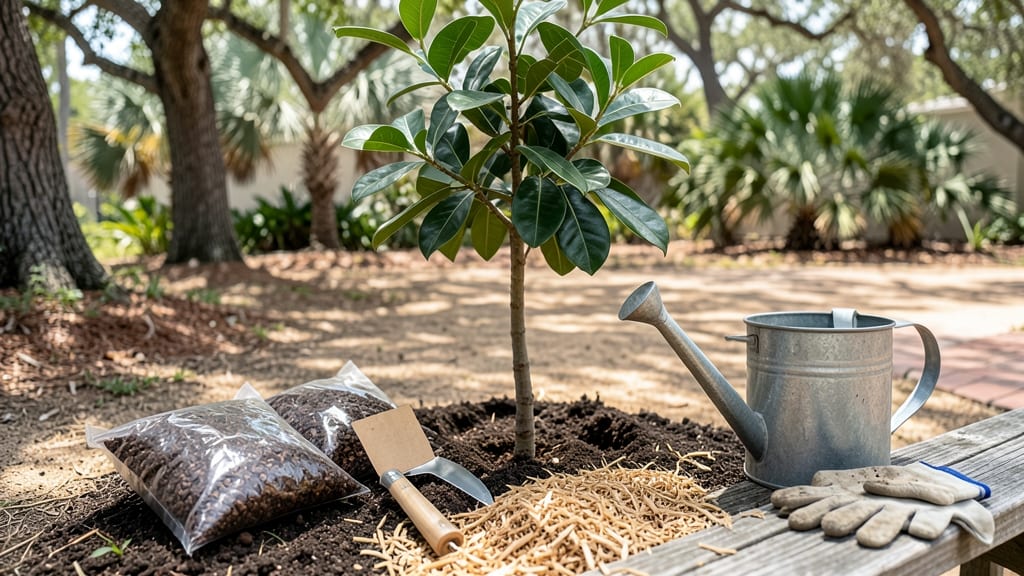
Planting an avocado tree in Florida at the right time means the difference between a thriving 🥑 giant and a struggling sapling that never matures.
Florida’s warm climate makes it one of the best places to grow avocado trees—but timing your planting wrong can mean stunted growth or even death. Whether you’re starting from seed or transplanting a sapling, the best months depend on your region’s microclimate, from coastal breezes to inland heat pockets.
Most gardeners in Florida can plant year-round, but spring and early summer offer the ideal conditions for root establishment and faster growth. Inland areas may need extra care during rare cold snaps, while coastal zones benefit from consistent humidity and warmth.
Below, I’ll break down the exact months to plant by region, soil prep tips for Florida’s heavy clay, and how to protect young trees from unexpected temperature drops—even in the Sunshine State.
Best months to plant avocado trees in Florida by region
Florida’s three distinct regions create unique planting windows for avocado trees. North Florida’s cooler winters (USDA Zones 8a-9a) demand earlier planting, while South Florida’s tropical climate (Zones 10b-11) allows year-round opportunities. Central Florida’s transition zone (Zones 9b-10a) offers a middle ground with extended growing seasons.
Getting the timing right ensures strong root establishment and faster fruit production.
Avocado trees thrive in Florida’s frost-free climate, but temperature fluctuations between regions still matter. North Florida’s occasional cold snaps (below 32°F) can stress young trees, while South Florida’s humidity requires extra drainage. Central Florida’s mild winters make it ideal for both container and in-ground planting.
Let’s break down the best months for each region to maximize your tree’s potential.
Comparison Table: Florida Avocado Planting Windows by Region
| Region | Best Planting Months | Key Considerations | Root Establishment Time | Fruit Production Window |
|---|---|---|---|---|
| North Florida (Zones 8a-9a) | February–April | Avoid late fall/winter; protect from cold snaps | 6–8 months | Late spring–fall (peaks June–August) |
| Central Florida (Zones 9b-10a) | January–June | Year-round possible; best in dry season | 4–6 months | Spring–early fall (year-round harvest) |
| South Florida (Zones 10b-11) | Year-round (best March–September) | Monitor humidity; ensure drainage | 3–5 months | Year-round (peaks April–October) |
In North Florida, planting between February and April gives young avocado trees time to establish roots before summer heat. Young trees planted in late fall risk stunted growth from winter chill. Central Florida’s extended window (January–June) allows flexibility, but avoid hurricane season (June–November) for container-grown trees. South Florida’s tropical climate lets you plant anytime, but March–September aligns with natural rainfall patterns.
For container-grown avocados, timing matters less—just avoid extreme heat or cold. In-ground planting benefits from cooler months (North) or dry seasons (South). Root establishment takes 4–8 months, depending on region and soil quality. North Florida trees may take longer due to seasonal stress, while South Florida’s rapid growth can yield fruit in as little as 3 years.
Choose Hass avocados for North/Central Florida—they tolerate cooler temps better than Reed or Choquette varieties. South Florida growers can experiment with tropical varieties like Lamb Hass for year-round harvests. Transplant shock is less severe in Florida’s warm soil, but water deeply after planting to encourage root spread.
Mulch heavily in North Florida to insulate roots, while South Florida mulch should focus on moisture retention. Central Florida’s balance means mulching year-round for temperature and weed control. Fertilize lightly 4–6 weeks after planting to avoid burning tender roots.
Watch for avocado lace bug in Central/South Florida—planting in spring avoids peak infestations. North Florida growers should monitor for citrus greening, which affects avocados too. Regular pruning in early spring promotes airflow and fruit production.
With the right timing, your Florida-grown avocado tree can produce fruit within 3–5 years. North Florida’s first harvests often appear in late spring, while South Florida trees may fruit year-round. Central Florida’s mild climate delivers two harvest peaks: spring and fall.
Start with bare-root saplings for faster establishment, or grow from seed for hardier but slower trees. Container growing extends options—move pots to shade during hurricanes or cold snaps. Florida’s avocado success hinges on region-specific timing and consistent care.
How Florida’s microclimates change avocado planting success
Florida’s diverse microclimates—from steamy coastal areas to drier inland zones—can make or break your avocado tree’s success. Coastal regions like Miami and Fort Lauderdale offer near-perfect tropical conditions year-round, while inland zones in Orlando or Gainesville face occasional light frosts that young trees can’t survive.
Even a 10-degree difference between zones can alter your planting timeline by months.
In South Florida’s tropical zone (USDA 10-11), you can plant avocado trees year-round, but spring (March-May) is ideal for root establishment before summer’s intense heat. Meanwhile, North Florida’s transition zone (USDA 9a-9b) demands earlier planting (January-February) to avoid late-winter cold snaps that can damage tender roots.
⚠️ callout-warning
⚠️ Frost Pocket Danger for Young Trees
Never plant avocados in frost pockets—even in North Florida. Young trees (under 3 years) can die from temps below 30°F. Use microclimate maps or test your yard with a minimum thermometer for 3 nights. Move potted trees indoors or to protected microclimates (e.g., near south-facing walls) during December-February.
Your choice of avocado variety also hinges on microclimate. Hass avocados—the most popular—thrive in South Florida’s heat but struggle in North Florida’s cooler winters.
Instead, opt for Reed avocados (cold-hardy to 20°F) or Choquette (tolerates 25°F briefly). Coastal areas can support Mexicola or Lamb Hass, which ripen faster in warm, humid conditions.
Another microclimate factor? Salt spray near coastlines. While avocados tolerate moderate salinity, constant ocean mist can burn leaves. Plant 100+ feet inland or use windbreaks if growing near beaches. Inland zones, however, may need extra irrigation to combat Florida’s clay-heavy, drought-prone soils.
Timing also matters for container-grown avocados. Coastal gardeners can transplant anytime, but inland growers should wait until April 15 to avoid unpredictable cold snaps. Bare-root trees planted in winter (Dec-Jan) may not survive North Florida’s January lows, even if they’re labeled "cold-hardy."
Always check local frost history—some inland valleys hit 28°F while nearby hills stay above 32°F.
Pro tip: Use mulch (4-6 inches) to insulate roots in inland microclimates, and choose dwarf varieties like Mexicola for easier frost protection. With the right timing and variety, your Florida avocado can bear fruit year-round—even in the Sunshine State’s trickiest zones. 🌱