
How To
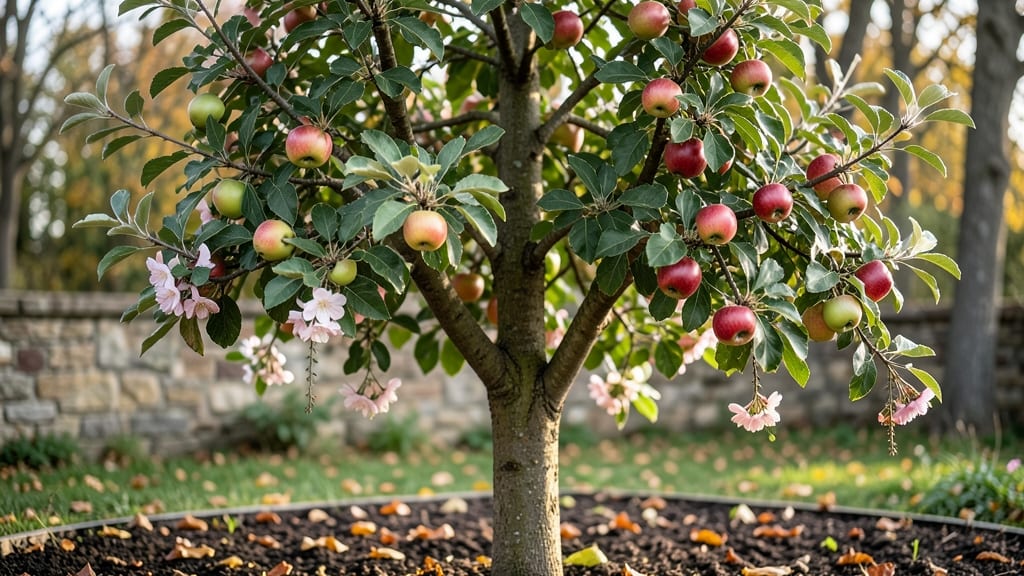
An apple tree can grow anywhere from 6 feet to over 40 feet tall, depending on the variety and rootstock you choose.
If you’ve ever dreamed of growing your own apples but worried about space, you’re not alone—apple tree height can vary dramatically depending on the variety.
From tiny dwarf trees that fit in a pot to towering standards reaching 40 feet, the right choice depends on your yard, goals, and patience.
Dwarf varieties stay compact (6-12 feet), making them perfect for small gardens or containers, while semi-dwarf trees reach 12-20 feet and standard varieties can soar to 20-40 feet or more.
The rootstock you select is the key factor—it determines not just height but also fruit size, disease resistance, and how quickly the tree matures.
In this guide, I’ll break down the differences between dwarf, semi-dwarf, and standard apple trees, how to pick the right size for your space, and even whether you can grow a miniature 🍎 in a pot. Ready to find the perfect fit for your garden?


Apple tree height variations: dwarf, semi-dwarf, standard, and beyond
Choosing the right apple tree height starts with understanding the dramatic differences between varieties. A dwarf apple tree might reach just 6-12 feet, while a standard apple tree can tower over 40 feet.
These variations aren't just about aesthetics—they directly impact your garden's layout, maintenance needs, and even fruit production. Let's break down what you need to know before planting.
The height of your apple tree depends on two key factors: the scion variety (the fruiting part) and the rootstock (the underground system). Grafting these together determines how tall your tree will grow.
For example, the same Honeycrisp apple grafted onto different rootstocks can produce trees ranging from 8 feet to 30 feet. This flexibility lets you customize your apple tree to fit your space perfectly.
Here's a quick comparison to visualize the differences before we dive deeper:
| Type | Mature Height | Rootstock Examples | Space Needed | Growth Rate |
|---|---|---|---|---|
| Dwarf | 6-12 ft | M.9, M.26, B.9 | 10-15 ft wide | Slow to moderate |
| Semi-Dwarf | 12-20 ft | MM.106, MM.111 | 15-25 ft wide | Moderate |
| Standard | 20-40+ ft | Seedling, MM.104 | 30-40+ ft wide | Fast |
| Columnar | 6-12 ft (narrow) | M.9, M.26 | 3-5 ft wide | Slow |
Dwarf apple trees are the space-savers of the orchard world, perfect for small yards, containers, or urban gardens. With heights between 6-12 feet, they mature quickly—often producing fruit within 2-3 years—and require minimal pruning.
Popular rootstocks like M.9 and B.9 keep trees compact while maintaining excellent fruit quality. Just be prepared for smaller harvests compared to larger trees.
Semi-dwarf apple trees strike a balance between manageable size and generous yields. Reaching 12-20 feet at maturity, they're ideal for medium-sized yards where you want substantial fruit production without the maintenance of a full-sized tree.
Rootstocks like MM.106 and MM.111 create trees that grow faster than dwarfs but stay smaller than standards. These trees typically need 3-5 years to bear fruit.
Standard apple trees are the classic orchard giants, capable of reaching 20-40 feet or more. While they require the most space and maintenance, they produce the largest harvests and have the longest lifespan—often 50+ years with proper care.
These trees need full sun, deep soil, and regular pruning to maintain health and fruit quality. Rootstocks like seedling or MM.104 create vigorous trees that can become landscape features in rural settings.
Columnar apple trees offer a unique solution for space-constrained gardeners. These trees grow 6-12 feet tall but maintain a narrow, columnar shape just 3-5 feet wide, making them perfect for small gardens or even large containers.
Varieties like Red River or Sentinel produce abundant fruit while taking up minimal space. They grow slowly but can live for decades with proper care.
When selecting your apple tree height, consider your garden layout, maintenance capacity, and fruit production goals. Dwarf trees offer quick rewards in small spaces, while standard trees provide long-term harvests for those with ample room.
Remember that all apple trees—regardless of size—require full sun (6+ hours daily), well-draining soil, and regular watering during their first two years to establish strong root systems.
One often-overlooked factor is how tree height affects fruit quality and quantity. Smaller trees produce smaller harvests but often yield higher-quality fruit due to better air circulation and easier harvesting.
Larger trees produce more fruit but require more intensive care, including regular pruning to maintain shape and prevent disease. Consider whether you prioritize convenience or abundance when making your selection.
For urban gardeners or those with limited space, consider espaliered apple trees. These trees are trained to grow flat against a wall or fence, dramatically reducing their footprint while maintaining productive growth.
With proper training, you can grow a 20-foot tree in just 10 feet of space—perfect for small yards or even large containers. Just be prepared for more intensive pruning and training in the early years.
No matter which height
How to choose the right apple tree height for your space
Choosing the perfect apple tree height for your space isn’t just about aesthetics—it’s about balancing fruit production, ease of maintenance, and long-term growth. A standard apple tree might dominate your yard, while a dwarf variety could thrive in a container.
Let’s break down how to match your space to the right tree size.
First, consider your garden layout. If you’re working with limited space, a dwarf apple tree (typically 6-12 feet tall) is ideal. These compact trees produce full-sized fruit but require minimal room, making them perfect for urban gardens or balconies.
For larger yards, a semi-dwarf (12-20 feet) offers a happy medium, while standard varieties (20-40+ feet) need ample space to spread their roots and branches.
- 1. Space Available: Measure your yard or container depth. Dwarf trees fit 5x5 feet areas; standard trees need 20+ feet of clearance.
- 2. Sunlight Access: Full sun (6-8 hours daily) is critical. Taller trees cast wider shadows—plan for spacing between trees (15-25 feet apart).
- 3. Maintenance Preference: Dwarf trees require less pruning and are easier to harvest. Standard trees need annual pruning to manage height and shape.
- 4. Rootstock Type: The rootstock determines 50-70% of the tree’s final height. Dwarf rootstocks (e.g., M.9) keep trees small; semi-dwarf (MM.106) offers balance.
- 5. Future Growth: Even dwarf trees grow 1-2 feet yearly. Plan for pruning strategies to control height naturally over time.
Don’t overlook sunlight exposure when selecting your tree. Apple trees thrive in full sun, but taller varieties will cast long shadows that could block sunlight for other plants.
If your space is narrow or shaded, opt for a columnar apple tree (6-10 feet tall), which grows vertically and fits neatly into small gardens.
For urban gardeners or those with limited space, container-growing is a game-changer. Dwarf apple trees like ‘Columnar Red Delicious’ or ‘Dwarf Granny Smith’ can thrive in 15-gallon pots with proper drainage. Just ensure your container is at least 18 inches deep to accommodate roots.
If you’re set on a larger tree but want to manage its height, pruning is your best tool. Prune during late winter or early spring to remove suckers and water sprouts, which can add unwanted height.
Use a 3-cut pruning method to avoid damaging the tree, and always sterilize your tools with rubbing alcohol to prevent disease.
Remember, the rootstock plays a huge role in final height. A tree grafted onto M.9 rootstock will stay dwarf-sized, while seedling rootstock can produce a standard-sized tree. Always check the rootstock details when purchasing—it’s the secret to controlling your apple tree’s future height! 🌱