
Pruning
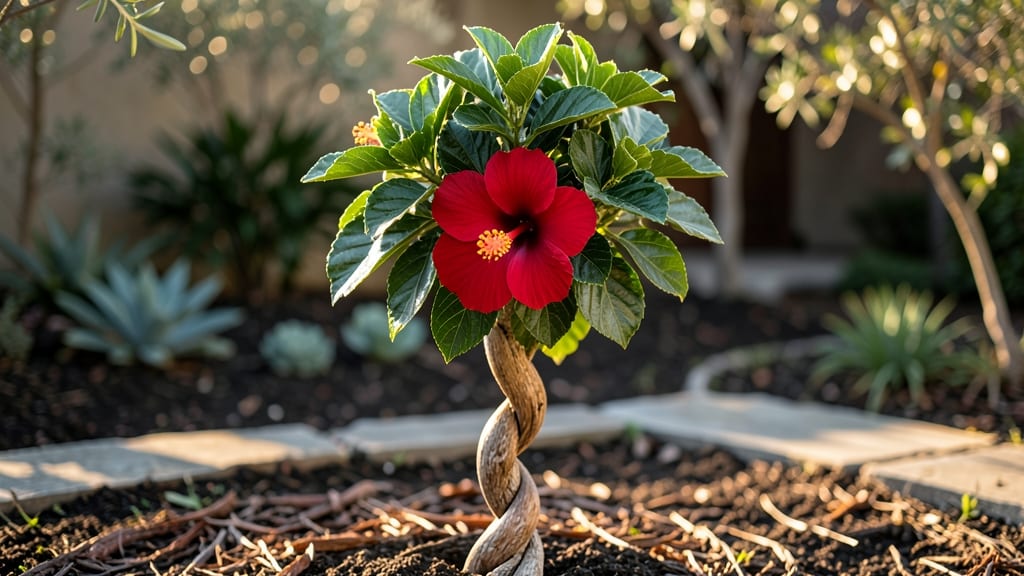
A hibiscus braided tree with controlled height can reach 6 to 10 feet tall if left unchecked, but with the right pruning, you can shape it into a compact, elegant focal point.
If your hibiscus braided tree is growing wild and unruly, pruning it to a balanced 6-foot height can transform it into a stunning focal point—while keeping it healthy and manageable.
This tree thrives in USDA Zone 6a and loves full sun, but its rapid growth means it can quickly outpace your garden’s design if you’re not careful. The key is timing: prune in late winter or early spring before new growth begins.
In this guide, I’ll walk you through the best techniques to control its height, the tools you’ll need, and how to avoid common mistakes that stunt growth. Let’s get started!

How to prune a hibiscus braided tree to maintain 6-Foot height
Pruning your hibiscus braided tree to a 6-foot height isn't just about cutting branches—it's about sculpting its natural beauty while encouraging lush growth. The braided structure is delicate, so precise cuts make all the difference.
By following the right technique, you'll preserve that stunning twisted form while keeping your tree compact and manageable.
This ornamental tree typically grows 8-10 feet tall if left unchecked, but with strategic pruning, you can maintain that perfect 6-foot height without sacrificing its charm. The key is timing, tool selection, and knowing where to cut to stimulate fuller foliage.
Let's dive into the step-by-step process that will transform your wild hibiscus into a showstopping focal point.
Step-by-Step Pruning Guide
-
Step 1: Choose the Right Time
Prune in late winter or early spring (February-March) before new growth begins. Avoid pruning in fall or winter as it stresses the tree. -
Step 2: Gather Your Tools
Use bypass pruners for small branches, loppers for thicker stems, and sterilized shears to prevent disease. Wear gloves to protect from thorns. -
Step 3: Assess the Structure
Identify the main braided stems—these are your tree's signature. Never cut these unless absolutely necessary. Focus on secondary branches growing beyond your 6-foot target. -
Step 4: Make Clean Cuts
Cut just above a leaf node at a 45-degree angle. Avoid leaving stubs, which can attract pests. For branches thicker than 1 inch, use the three-cut method to prevent tearing. -
Step 5: Thin Out Crowded Branches
Remove 1/3 of the oldest branches to encourage new growth. Focus on branches growing inward or crossing—these compete for sunlight and weaken the structure. -
Step 6: Shape the Canopy
Trim the outermost branches to create a rounded, full silhouette. Aim for a 6-foot height from the ground, leaving the top slightly tapered for balance. -
Step 7: Fertilize After Pruning
Apply a balanced fertilizer (10-10-10) to replenish nutrients. Water deeply to help the tree recover and stimulate new growth in the pruned areas. -
Step 8: Monitor Growth
Check the tree every 4-6 weeks during the growing season. Light pruning may be needed to maintain the 6-foot height and shape as the tree fills out.
When pruning, always prioritize the braided stems—these are the tree's defining feature. If you must shorten one, do so gradually over 2-3 years to avoid shocking the plant.
For example, if one stem is growing too tall, trim it back by 1/3 each year until it reaches your desired height.
One common mistake is pruning too late in the season. Fall pruning can leave your hibiscus vulnerable to winter damage or fungal infections. Stick to the late winter/early spring window, and you'll see the best results.
After pruning, the tree will respond with vigorous new growth, filling out beautifully by summer.
For a fuller appearance, focus on pruning the top third of the tree more aggressively. This encourages the lower branches to thicken and fill in. Use your shears to create a graduated look, with shorter branches at the bottom and slightly longer ones at the top.
This mimics the tree's natural growth pattern while keeping it compact.
If your hibiscus braided tree is young (under 3 years old), you can be more aggressive with pruning to guide its shape early. Older trees may need gentler maintenance pruning to avoid stress.
Always step back and visualize the tree's shape after each cut—this helps maintain that balanced 6-foot height you're aiming for.
Remember, pruning is an ongoing process. Even after achieving your 6-foot target, plan to do light maintenance pruning once or twice a year to keep the tree looking its best.
With the right approach, your hibiscus braided tree will remain a healthy, eye-catching centerpiece in your garden for years to come.
Pro tip: Take before-and-after photos of your pruning sessions. Not only will this help you track progress, but it's also a great way to celebrate the transformation of your hibiscus braided tree into a perfectly proportioned masterpiece. 🌺
Best pruning tools and timing for controlling hibiscus tree growth
Pruning your hibiscus braided tree to maintain a 6-foot height requires the right tools and timing. Using improper equipment or cutting at the wrong season can stress the tree and reduce its stunning blooms.
I’ve pruned mine for years, and the difference between a well-maintained tree and a neglected one is night and day.
Timing is everything—prune too early or too late, and you risk stunting growth or inviting pests. The best time to prune is late winter or early spring, just before new growth begins. This gives your hibiscus braided tree time to recover and flourish during its growing season.
| Tool | Best For | When to Use |
|---|---|---|
| Bypass Pruners | Small branches (1/4-inch thick) | Daily maintenance cuts |
| Loppers | Medium branches (3/4-inch thick) | Structural pruning in spring |
| Pruning Saw | Thick branches (1-inch+ thick) | Heavy pruning in fall |
| Garden Gloves | Protection from thorns | Always, for safety |
Never skip wearing gardening gloves—hibiscus braided trees have sharp thorns that can ruin a pruning session fast. I learned this the hard way! Pair your tools with a disinfectant spray to prevent disease spread between cuts. Always sterilize your tools before and after pruning.
Fall pruning is possible, but it’s riskier. If you must prune in fall, do so 6-8 weeks before the first frost to allow wounds to heal.
Avoid heavy pruning in fall, as it can leave your tree vulnerable to winter damage. My hibiscus tree blooms beautifully when pruned correctly in spring.
After pruning, always water deeply and apply a balanced fertilizer to encourage new growth. Mulch around the base to retain moisture and protect roots. With the right tools and timing, your hibiscus braided tree will stay lush, healthy, and at your desired 6-foot height.
Remember, pruning isn’t just about cutting—it’s about shaping your tree’s future. A well-pruned hibiscus braided tree will reward you with vibrant blooms and a stunning braided structure for years to come. Happy pruning! 🌺✂️🌿