
Pruning
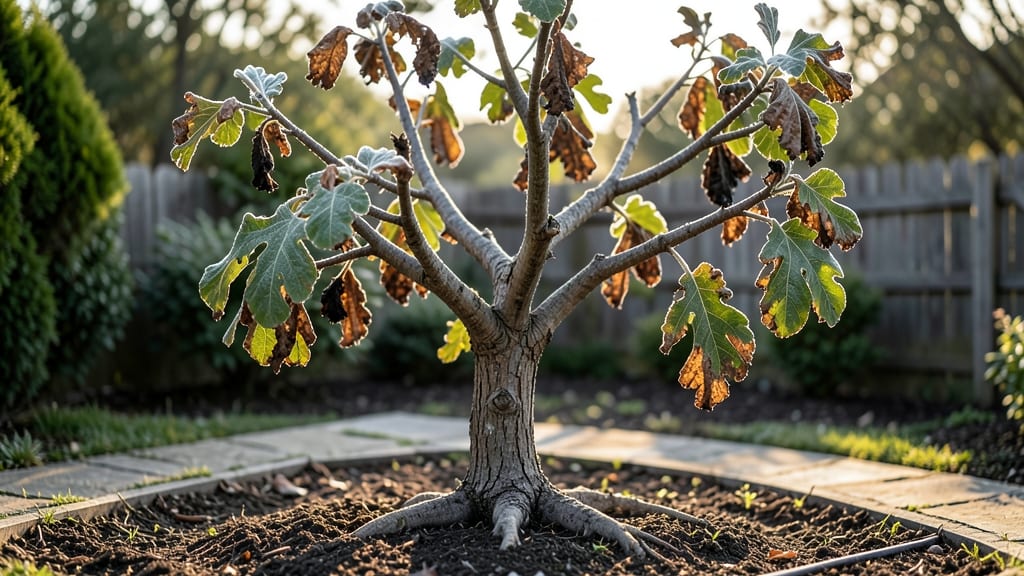
Your fig tree’s frost-damaged branches might look hopeless, but with the right cuts, it can bounce back stronger than ever. ✂️ The key is pruning dead wood while preserving the tree’s energy stores—don’t panic, because even heavily scarred figs often regrow from the roots or hidden buds.
Start by removing only blackened, brittle branches (they won’t recover), then cut back any wilted but still-green growth by one-third to encourage fresh shoots. Mulch heavily around the base to insulate roots, and water deeply but infrequently—figs hate soggy feet after frost.
Most recovery happens by late spring, when new leaves push from the trunk or lower branches.
Long-term, protect your tree with burlap wraps or a frost cloth on cold nights, and choose cold-hardy varieties like ‘Chicago Hardy’ if you live in Zone 5 or colder. With patience, your fig will reward you with juicy fruit next season—just give it time to heal.
Even if the trunk looks scarred, figs are tough. I’ve revived trees that looked dead after 20°F nights, and with proper pruning, yours can too. The secret? Cutting with confidence and trusting the tree’s resilience.
How Cold Harms Fig Trees
Frost can turn a thriving fig tree into a sad, brown-eyed monster overnight—literally. But why does cold weather target these tropical-loving trees so aggressively? The answer lies in their biology, environment, and a few sneaky weather factors.
Let’s break down the science behind why frost damages fig trees and what makes them so vulnerable.
Fig trees (Ficus carica) are subtropical or temperate plants that evolved in warm climates like the Mediterranean, where temperatures rarely dip below freezing. When frost hits—typically below 28°F (-2°C)—several physiological processes go haywire:
- Cell Membrane Damage: Ice crystals form in and between plant cells, physically rupturing their delicate membranes. This disrupts nutrient and water transport, starving the tree from the inside out.
- Protein Denaturation: Cold temperatures cause enzymes and proteins to misfold or clump together, halting critical functions like photosynthesis and respiration.
- Water Expansion: As water freezes, it expands by 9%, bursting cell walls like overinflated balloons. This is why frost-bitten leaves and branches often appear mushy or blackened.
Pro Tip: 🌡️ Hardiness varies by variety! Some figs (like Brown Turkey or Celeste) tolerate brief cold snaps better than delicate Black Mission types. Check your tree’s specific cold tolerance before assuming it’s doomed.
Frost isn’t just about temperature—it’s a wind chill problem. Moving air accelerates heat loss, making a still night at 30°F (-1°C) feel like 15°F (-9°C) to your fig tree. Here’s how wind worsens damage:
| Factor | Effect on Fig Tree |
|---|---|
| Increased Evaporation | Leaves lose moisture faster, making them more susceptible to frostbite. |
| Reduced Boundary Layer | The thin layer of warm air around leaves is stripped away, exposing them directly to cold. |
| Physical Stress | Flapping branches can tear bark or snap weak stems, creating entry points for disease. |
Pro Tip: 🌳 Windbreaks work! Planting a dense hedge or installing a temporary windscreen (like burlap) on the windward side of your tree can add 5–10°F of protection during frost events.
Fig trees often suffer the most during radiational frost—when heat escapes from the ground and into the sky on clear, calm nights. Here’s why this is deadly:
- Cold Air Pooling: Dense, cold air sinks and collects in low-lying areas (like valleys or near the ground), where fig roots and lower branches are most exposed.
- No Sun to Recharge: Unlike daytime frosts, overnight chills give the tree zero time to recover, compounding damage.
- Soil Temperature Drop: Cold soil can’t buffer root systems, leading to root freeze—a silent killer that starves the tree even if leaves seem fine.
Pro Tip: ⏰ Time your watering! Lightly watering the base of the tree before sunset on frost-prone nights creates a thin ice layer that insulates roots. Avoid overwatering—soggy soil conducts cold better.
Not all parts of a fig tree are equally frost-sensitive. New growth, flowers, and fruit are the first to suffer because:
- Higher Water Content: Young leaves and shoots contain 80–90% water, which freezes easily and expands, causing irreversible damage.
- Thin Bark: Mature branches have thicker bark to insulate vascular tissue, but saplings and current season’s growth lack this protection.
- Metabolic Overdrive: Actively growing tissue is more metabolically active, making it less cold-resistant than dormant wood.
Pro Tip: ✂️ Prune strategically! If frost is forecast, trim back tender new growth (especially on young trees) to reduce surface area exposed to cold. Focus on removing water sprouts and succulent tips—these are frost magnets.
Even in the same yard, one fig tree might survive frost while another nearby croaks. The difference? Microclimates. Factors like:
- Proximity to Structures: South-facing walls or roofs absorb heat during the day and radiate it back at night, creating a 5–15°F warmer zone.
- Slope and Elevation: Hillsides drain cold air, while depressions trap it. Plant frost-sensitive figs on south-facing slopes for natural protection.
- Urban Heat Islands: Pavement and buildings retain heat, but lack of airflow can also trap cold. Balance is key!
- Reflective Surfaces: Light-colored mulch or gravel reflects heat, while dark mulch absorbs it—choose based on your climate.
Pro Tip: 🗺️ Map your yard’s cold spots! Use a minimum-thermometer (placed at tree height) to identify frost pockets. Move potted figs or build a low wall to redirect cold air away from sensitive trees.
Reviving Frost-Burned Fig Trees
Frost damage can leave your fig tree looking sad and struggling—but don’t give up yet! With the right care, you can help it bounce back.
Below are targeted solutions based on the type of frost damage your tree is facing, along with prevention tips to keep future frosts from causing harm.
Before jumping into fixes, identify the severity of the frost damage:
- Mild damage: Leaves turn brown but stay attached, or slight wilting.
- Moderate damage: Branches blacken, leaves drop, but the bark remains intact.
- Severe damage: Trunk cracks, branches die back completely, or the tree appears lifeless.
💡 Pro Tip: Check for green buds or shoots—if they’re still alive, your tree has a better chance of recovery!
🍃 Prune Dead or Damaged Branches
Frost often kills the tips of branches, leaving them black and brittle. Prune them out to encourage new growth: 1. Sterilize your tools (rubbing alcohol or bleach solution) to prevent disease.
- Cut back to healthy wood—look for green tissue or a slight swelling where new buds may form.
- Make clean cuts at a 45-degree angle, about ¼ inch above a bud or branch collar.
- Remove no more than ⅓ of the tree at once to avoid shocking it further.
🔪 Pro Tip: If branches snap easily, they’re dead—cut them off entirely. Never leave stubs!
💧 Hydrate & Protect the Roots
Frost can dry out soil and stress roots. Give your tree extra TLC:
- Water deeply (1–2 inches per week) to help recovery.
- Mulch heavily (3–4 inches of organic mulch like wood chips) to insulate roots and retain moisture.
- Avoid fertilizing until new growth appears—stressed trees can’t handle extra nutrients.
🌡️ Pro Tip: If the ground is frozen, wait until it thaws before watering to prevent runoff.
☀️ Shield from Late Frost
If your region has late spring frosts, protect young fig trees:
- Use frost cloth or row covers on nights when temps drop below 32°F (0°C).
- String lights or heat lamps near the tree for a few hours if frosts are frequent.
- Plant in a sheltered spot (near a south-facing wall or fence) to trap warmth.
✨ Pro Tip: Figs are tender perennials—if you’re in a cold climate, consider container growing for easier winter protection!
🌿 Wait Before Judging—Figs Can Surprise You!
Even if your fig tree looks completely dead, it might still recover:
- Check for green under the bark or in the roots.
- Wait 2–3 weeks before pruning—sometimes new shoots appear.
- If no signs of life, the tree may need removal, but save the roots if possible (they can sometimes sprout again).
💡 Pro Tip: If the trunk is cracked, it’s likely beyond saving—but if only branches are dead, prune aggressively and hope for regrowth.
🌱 Encourage New Growth with Proper Care
If the tree is partially alive, help it recover:
- Prune back to the base (but leave a few inches of trunk) to stimulate new shoots.
- Fertilize lightly (with balanced 10-10-10 or compost) once new growth starts.
- Keep the soil moist but well-draining—figs hate soggy roots.
🔥 Pro Tip: If your fig is in a container, move it to a sunny, sheltered spot and water consistently.
🌡️ Choose the Right Variety
Not all figs handle frost equally. Cold-hardy varieties like:
- ‘Chicago Hardy’
- ‘Celeste’
- ‘Desert King’
can tolerate short freezes down to 15°F (-9°C).
🏡 Plant in the Best Location
- Full sun (6+ hours daily) helps figs recover faster.
- Avoid low spots where cold air pools.
- Use windbreaks (like a fence or hedge) to reduce wind chill.
🌿 Winter Protection Strategies
- Mulch heavily (up to 6 inches) in late fall.
- Wrap the trunk with burlap or tree wrap to prevent sunscald in winter.
- Group trees together—they generate heat and protect each other.
🎯 Pro Tip: If you’re in a freeze-prone zone, consider digging up the tree in fall, storing it in a cool garage, and replanting in spring!
- Mild damage: New leaves in 2–4 weeks.
- Moderate damage: Partial regrowth in 4–8 weeks.
- Severe damage: May take a full season or longer—be patient!
With the right care, your fig tree can not only survive frost but thrive—ready to produce sweet, sun-ripened fruit next season. 🍈✨
Frequently asked questions
How can I tell if my fig tree is dead after frost damage?
Check for green buds under the bark or at the base of branches—these are signs of life. If branches snap easily when bent (like dry twigs) and show no green, they’re dead. Scratch the bark: if it’s moist underneath, the tree may still recover. Wait 2-3 weeks before pruning, as new shoots can appear unexpectedly.
Should I prune frost-damaged branches now or wait until spring?
Prune dead branches immediately—they won’t recover and can harbor pests. Wait to prune partially damaged branches until late winter or early spring when new growth signals the tree’s still alive. Never prune more than 1/3 of the tree at once, even after frost.
Can I save a fig tree that lost all its leaves to frost?
Figs often regrow from the roots or dormant buds. Water deeply (but don’t overwater) and mulch heavily to protect roots. If the trunk is still firm and no cracks appear, wait 4-6 weeks
What’s the best way to protect my fig tree from future frost?
Combine mulching (6 inches deep) with burlap wraps around the trunk for insulation. For potted figs, move them to a sheltered spot or cover with frost cloth when temps drop below 32°F (0°C). Plant cold-hardy varieties like ‘Chicago Hardy’ if you’re in Zone 5 or colder.
Will my fig tree ever produce fruit again after frost damage?
Yes, but it may take a full season to recover. Healthy roots and proper pruning give your tree the best chance to regrow. Avoid heavy pruning of fruit-bearing branches—figs produce fruit on current year’s growth, so preserve as many healthy buds as possible.