
Pruning
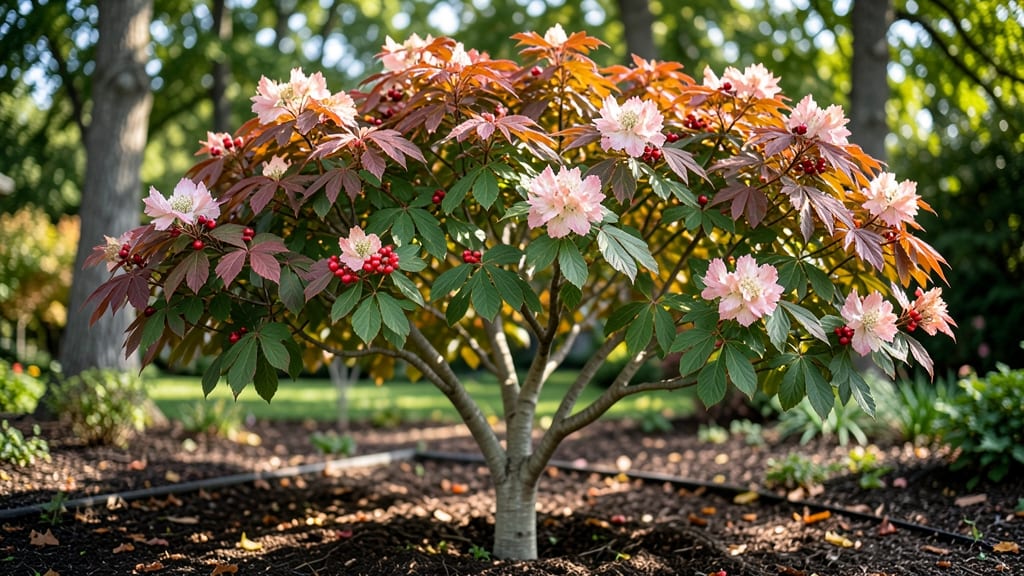
Fall transforms the pink dogwood tree in fall into a dramatic showstopper—if you prune it right. 🌿 That soft pink bloom isn’t the only star; the fiery red stems and glossy leaves steal the show when autumn arrives, but only if you prep the tree properly now.
The key is late-season pruning: remove dead branches first, then thin out crowded limbs to let light reach the center. Skip this, and you’ll end up with weak growth next spring or worse—those stunning stems won’t develop.
I’ve seen dogwoods go from lackluster to neighborhood famous in just one season with this simple approach. You’ll notice the difference immediately: branches stand taller, colors pop brighter, and the tree’s natural shape shines through.
The best time to prune is after leaves fall but before hard frost—typically mid-October to early November in most zones. This method works for both young trees and mature specimens, and it’s the secret to keeping your dogwood thriving through winter. Let’s get those pruners ready!
📚 In This Guide
- What you need
- Instructions
- Tips and common mistakes
- Wrapping up and next steps
What you need
- ● Pruning shears – Bypass pruners (sharp, clean, and rated for branches up to ½ inch in diameter).
- ● Lopping shears – For thicker branches (½ to 1½ inches in diameter).
- ○ Pruning saw – Optional but helpful for branches thicker than 1½ inches.
- ● Disinfectant (70% isopropyl alcohol or bleach solution) – 1 part bleach to 9 parts water to sterilize tools between cuts.
- ● Gloves – Heavy-duty gardening gloves (to protect from thorns and sap).
- ○ Pruning sealant – Optional but recommended for large cuts (e.g., Tanglefoot Tree Wound Pruning Seal).
- ● Ladder or stool – If your tree is taller than 6 feet.
- ● Trash bags or bucket – For collecting pruned branches and debris.
- ● Notebook & pencil – To sketch a pruning plan (helps visualize cuts!).
- ● Hand lens or magnifying glass – To inspect buds and branch health up close.
- ● Tree wound dressing – Controversial but some swear by it (e.g., Ortho Fruit Tree Spray).
- ● Safety glasses – If working with large branches or near power lines.
- ● Extension pole pruners – For high branches without a ladder.
- ● Camera or phone – To document the tree’s shape before and after pruning!
Step-by-step guide to late-season pink dogwood pruning
Here’s how I prepare my pink dogwood for winter—keeping it healthy and stunning for next spring’s blooms.
🌿 Step 1: Assess the Tree for Winter Damage
Start by examining your pink dogwood in late fall, just before the first hard frost. Look for dead, broken, or diseased branches—these are the first to go. I focus on limbs that look brittle, have no leaves, or show signs of fungal infections like black spots or powdery residue. Healthy branches will have smooth bark and a firm structure.
Use your hands to gently shake each branch. If it snaps easily or crumbles, it’s dead and should be removed. This step ensures you’re only pruning what’s necessary, preserving the tree’s natural shape and energy reserves for winter. Avoid cutting into live tissue unless absolutely required—dogwoods are sensitive to over-pruning.
✂️ Step 2: Remove Dead and Diseased Branches
Grab your pruning shears and start at the base of the tree, working your way upward. Cut dead branches back to the nearest healthy bud or branch collar—the swollen area where the branch meets the trunk. Make clean cuts at a 45-degree angle, about ¼ inch above the bud, to encourage proper healing and prevent water from pooling.
For larger branches (over ½ inch thick), use your pruning saw. Cut just outside the branch collar, following the natural curve of the branch. Avoid leaving stubs—these can trap moisture and invite rot. If you find signs of disease like cankers or oozing sap, sterilize your tools with rubbing alcohol between cuts to prevent spreading pathogens.
☀️ Step 3: Thin Out Crowded or Rubbing Branches
Next, focus on branches that cross or rub against each other. These create wounds that weaken the tree and invite pests. Identify branches that grow inward or overlap with others, then remove the weaker of the two. I like to step back and visualize the tree’s natural shape—imagine a balanced, open canopy that allows sunlight and air to circulate freely.
Thinning also improves airflow, which is critical for preventing fungal diseases like powdery mildew. Aim to remove no more than 20-25% of the tree’s foliage in one season. If you’re unsure, err on the side of caution—dogwoods recover poorly from aggressive pruning. Watch for new growth in spring to gauge how well the tree responded.
⏰ Step 4: Shape for Winter Resilience
Now’s the time to refine the tree’s structure. Remove any branches that grow straight upward (called "water sprouts") or those that disrupt the tree’s natural form. Focus on maintaining an open center—this allows sunlight to reach the inner branches, which is crucial for flowering next season. I usually prune just enough to create a balanced silhouette without overhauling the shape.
For larger branches, use the "three-cut method" to avoid tearing the bark: Make the first cut about 12-18 inches out from the trunk, then a second cut just outside the branch collar. Finally, make your final cut just outside the first cut. This prevents the branch from tearing as it falls. Finish by cleaning up any small twigs or suckers at the base of the tree.
💧 Step 5: Clean Up and Protect the Tree
After pruning, rake up all debris and dispose of it in the trash—not the compost pile—to prevent reinfesting the tree with diseases or pests. Wipe down your tools with a bleach solution (1 part bleach to 9 parts water) to sterilize them. This step is non-negotiable—dogwoods are particularly susceptible to fungal infections, and contaminated tools can undo all your hard work.
Finally, apply a 2-3 inch layer of mulch around the base of the tree, keeping it 6 inches away from the trunk to prevent rot. This helps insulate the roots from freezing temperatures and retains moisture. Water the tree deeply before the ground freezes to ensure it has enough reserves to sustain itself through winter. Your dogwood will thank you with vibrant blooms next spring!
Tips & tricks for perfect late-season pink dogwood pruning
Late-season pruning can make all the difference in your dogwood's winter survival and spring bloom. Here's what I've learned after years of trial and error with these delicate trees.
Timing is Everything: Prune your pink dogwood just before the first hard frost—typically in late fall when temperatures consistently drop below freezing at night. This timing allows the tree to heal from pruning cuts before winter stress sets in. I've seen trees pruned too early regrow tender shoots that get damaged by late-season freezes, while those pruned too late may not have enough time to recover before winter.
Tool Prep Matters: Sterilize your pruning tools with rubbing alcohol between cuts, especially when dealing with diseased branches. I keep a small spray bottle of 70% isopropyl alcohol handy for quick sterilization. This prevents spreading fungal spores or bacterial infections to healthy parts of the tree. Also, make sure your tools are sharp—dull blades tear bark and create larger wounds that take longer to heal.
Pruning Angle Secrets: When making cuts in Step 2, the 45-degree angle isn't just for looks—it helps water run off the cut surface. Make your cut just outside the branch collar, and angle it slightly away from the trunk. This prevents water from pooling in the cut, which can lead to rot. For larger branches, the three-cut method in Step 4 prevents bark tearing, which is especially important for dogwoods that are sensitive to wounding.
Visual Cues for Healthy Cuts: After making a cut, look for the branch collar—the swollen area where the branch meets the trunk. Your cut should be just outside this collar, leaving no stub. The bark should show a smooth transition from branch to trunk. If you see jagged edges or torn bark, you've gone too far—this creates larger wounds that take longer to heal and invite pests.
Pro Tips for Pink Dogwood Tree In Fall
- Late-season pruning can make all the difference in your dogwood's winter survival and spring bloom.
- Timing is Everything: Prune your pink dogwood just before the first hard frost—typically in late fall when temperatures consistently drop below freezing at night.
- Tool Prep Matters: Sterilize your pruning tools with rubbing alcohol between cuts, especially when dealing with diseased branches.
Frequently asked questions
Got questions about keeping your pink dogwood tree stunning in fall and prepped for winter? Here are answers to the most common queries—so you can prune with confidence!
When is the best time to prune a pink dogwood in fall?
The ideal window is late fall (after leaf drop but before hard frost)—typically November to early December in most regions. Pruning too early risks stimulating new growth that won’t harden off before winter. Wait until temps consistently drop below 40°F (4°C) for 2-3 nights to avoid stressing the tree.
Will pruning my dogwood in fall hurt it over winter?
Not if done correctly! Pink dogwoods are dormant-resistant in late fall, but avoid heavy pruning (never remove more than 25% of the canopy). Focus on dead, diseased, or crossing branches—this reduces winter stress. Always use sterilized tools to prevent fungal infections when cuts are fresh.
Can I still prune if my dogwood’s leaves haven’t fallen yet?
Yes, but prioritize problem branches (e.g., broken, diseased, or blocking sunlight). If leaves are still green, wait 2-4 weeks post-drop for full dormancy. Pro tip: Prune on a dry, calm day to let wounds heal faster before winter rains.
Are there alternatives if my dogwood is too small or young to prune?
For young trees (under 5 years), skip pruning entirely—focus on mulching (2-3 inches of organic mulch) and watering deeply until the ground freezes. Mature trees can benefit from light structural pruning to improve airflow, but avoid "haircutting" (even cuts).
What should I do if my dogwood’s branches look dead after pruning?
Check for dry, brittle wood (tap branches—if they sound hollow, they’re dead). Remove them at the branch collar (not flush to the trunk) to prevent decay. If more than 50% of branches are dead, your tree may need rejuvenation pruning in early spring. Pro tip: Disinfect tools between cuts with 70% isopropyl alcohol.
Wrapping up and next steps
The pink dogwood tree in fall is a stunning addition to any landscape, and with the right late-season pruning, you’ll ensure its resilience and beauty for years to come. 🌿 By removing dead branches, shaping for airflow, and protecting against winter damage, you’re setting your tree up for a vibrant spring comeback.
Now that you’re armed with the know-how, grab your tools and give your dogwood the care it deserves—your future blooms will thank you!
Next step: Mark your calendar for early spring (just before buds swell) to check for any lingering winter damage and refine your pruning further. Happy gardening! 🌸