
Light Requirements
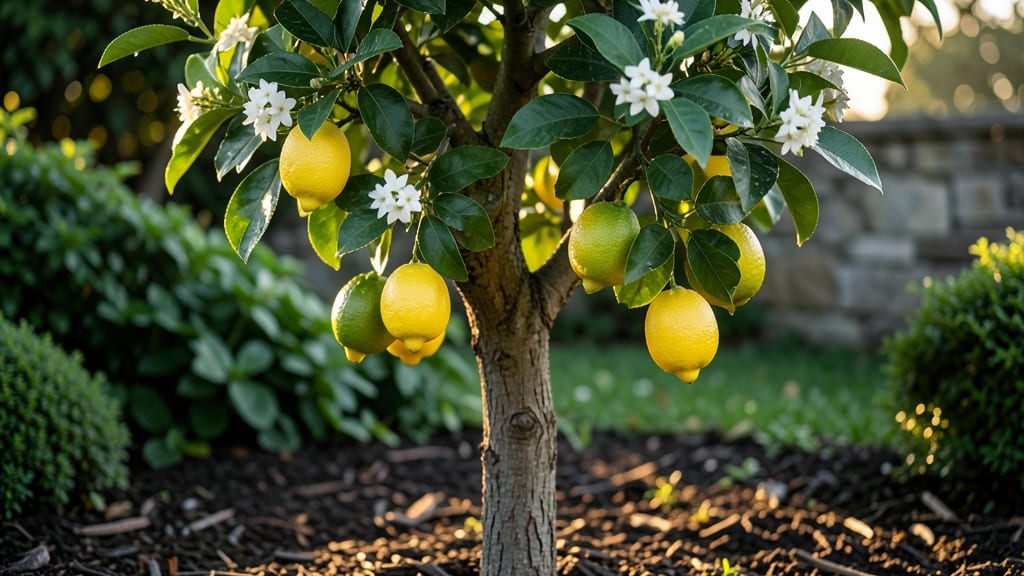
A lemon tree does a lot need the sun—6-8+ hours of direct sunlight daily—to thrive and produce the sweet, tangy fruit you’re dreaming of 🍋.
If your lemon tree isn’t producing fruit—or worse, is struggling to survive—sunlight might be the missing piece of the puzzle. But how much sun does a lemon tree really need to thrive, and what happens if you get it wrong?
Too little light weakens growth, stunts fruit development, and leaves your tree looking sad and sparse. Too much can scorch the leaves, leaving them crispy and brown. The key is finding that sweet spot—especially if you’re growing in Zone 6a or indoors near a window.
In this guide, I’ll break down the ideal sunlight hours, how to spot signs of deficiency (or excess), and practical tips to position your lemon tree for success—whether you’re in a sunny Mediterranean climate or a shady corner of your home.


How many sunlight hours does a lemon tree need for optimal growth?
Lemon trees are sun lovers, but not all varieties have the same appetite for sunlight. While most need 6-8+ hours of direct sun daily, some like the Meyer lemon can tolerate slightly less.
The key is understanding how sunlight fuels photosynthesis and fruit development—both critical for a bountiful harvest. Without enough light, your tree might survive but will struggle to produce those tangy lemons you crave.
Sunlight isn’t just about quantity; it’s also about quality. Full sun (6+ hours of direct rays) is ideal, but partial shade (3-6 hours) can work for dwarf varieties in hot climates. The challenge? Balancing light exposure with your local climate.
In Zone 6 or colder, lemon trees need extra protection from winter chill, while tropical zones (like Florida) can push them to thrive year-round with consistent sun.
Here’s the science: Sunlight triggers chlorophyll production, which converts water and CO₂ into energy. Without enough light, your tree’s growth rate slows, leaves turn yellow (chlorosis), and fruit development stalls.
Worse, weak branches invite pests like aphids or scale insects. But too much sun in extreme heat? That’s a recipe for leaf scorch or sunburn, especially for young trees.
Measuring sunlight accurately is easier than you think. Use a sunlight tracker app (like Sun Surveyor) or a simple sunlight meter to log hours of direct light. Place your meter near the tree’s canopy for 24 hours—most smartphones can do this with a free app.
In summer, aim for morning sun (6 AM–12 PM) to avoid scorching leaves. If your tree gets afternoon shade (1 PM–5 PM), it can still thrive, but fruit quality may suffer.
Seasonal adjustments are key. In winter, lemon trees in cooler zones (like Zone 7) may need only 4-5 hours of sun due to shorter days. That’s when grow lights (LED or fluorescent) become your best friend.
For indoor trees, position them 12–18 inches from the leaves and run them for 12–14 hours daily to mimic natural light cycles. Pro tip: Rotate the pot weekly so all sides get even exposure.
Watch for leaf color changes—a telltale sign of sunlight struggles. Yellowing leaves (especially between veins) mean chlorosis, often caused by too little light or iron deficiency. Purple stems signal phosphorus deficiency, while drooping leaves could mean overheating from too much midday sun.
Adjust your tree’s location gradually (move it 1–2 feet closer to light weekly) to avoid shocking its roots.
For outdoor growers, microclimates matter. A tree in a south-facing yard in Arizona gets 10+ hours of sun, while one in a north-facing garden in Oregon might see only 3–4 hours.
If your yard lacks sun, consider a reflective surface (like white gravel or a mirror) to bounce extra light onto the tree. Just avoid plastic mulch—it can overheat roots and stress the plant.
Remember, fruit development is directly tied to sunlight. Trees need full sun to produce blooms, which turn into lemons. Without enough light, your tree might flower but drop them early.
Even if your tree survives with partial shade, you’ll likely end up with smaller, fewer lemons—and they may lack the bright flavor you love. Invest in a sunlight analysis before planting, and your tree will reward you with a bountiful harvest every season.
Signs your lemon tree isn’t getting enough sun (and how to fix it)
Lemon trees are sun worshippers—when they don’t get enough light, they send distress signals through their leaves, branches, and fruit. The most obvious clue is yellowing leaves, especially on older growth, while new leaves stay small and pale.
You might also notice sparse foliage with long gaps between branches, or worse—no fruit production despite proper care. Even if your tree looks healthy, weak stems and leggy growth are red flags that it’s stretching toward light.
Indoor lemon trees are particularly vulnerable. A spot near a north-facing window might seem bright, but citrus trees need 6-8+ hours of direct sunlight daily. Without it, their growth slows dramatically, and they become more susceptible to pests like spider mites.
Outdoor trees in shaded yards or under large overhangs often show similar symptoms, though they may also suffer from sunburn if suddenly moved to full sun.
⚠️ Warning: Lemon Trees in Low Light
A lemon tree with less than 4 hours of sunlight daily will struggle to survive long-term. Even partial shade (4-6 hours) reduces fruit production by 50-70%. If your tree shows these signs, act fast: relocate it immediately or supplement with grow lights (12-16 hours/day) to prevent permanent damage.
- ❌ No fruit after 1+ year of growth
- ❌ Leggy, weak stems (reaching upward)
- ❌ Yellow leaves with green veins (chlorosis)
🌱 Pro Tip: Test your tree’s light exposure with a light meter app (free on smartphones) to diagnose the exact issue.
For outdoor trees, the fix is simple: move it to a sunnier spot. If your yard has limited sun, consider a south-facing wall or a greenhouse to maximize exposure. Prune any branches blocking sunlight from reaching the center of the tree, and avoid overcrowding with other plants.
Indoor trees require more creativity—rotate the pot quarter-turns weekly to ensure even growth toward the light source.
If relocating isn’t an option, prune strategically to open the canopy. Remove up to 20% of the foliage from the lower branches to allow light penetration. Pair this with a balanced citrus fertilizer (high in nitrogen) to encourage new growth.
For severe cases, supplement with a full-spectrum LED grow light (12-16 hours/day) placed 6-12 inches above the tree. Avoid cheap bulbs—citrus trees need blue and red spectrum light for photosynthesis.
Watering habits also change with light exposure. Trees in low light retain moisture longer, so reduce watering by 30-50% to prevent root rot. Always check the top 2 inches of soil—if it’s damp, wait before watering again.
Pair this with mulching (2-3 inches of organic mulch) to retain soil moisture and regulate temperature. Avoid wetting the leaves to prevent fungal diseases like citrus scab, which thrives in damp, shaded conditions.
Monitor your lemon tree’s progress over 4-6 weeks after making changes. You should see darker green leaves, stronger stems, and—if conditions are right—new flower buds forming.
If no improvement occurs, reassess the light source or consider repotting into a larger container (if indoors) to encourage root expansion toward sunlight. With patience and the right adjustments, your lemon tree can bounce back—even if it’s been struggling for months.