
Flowers
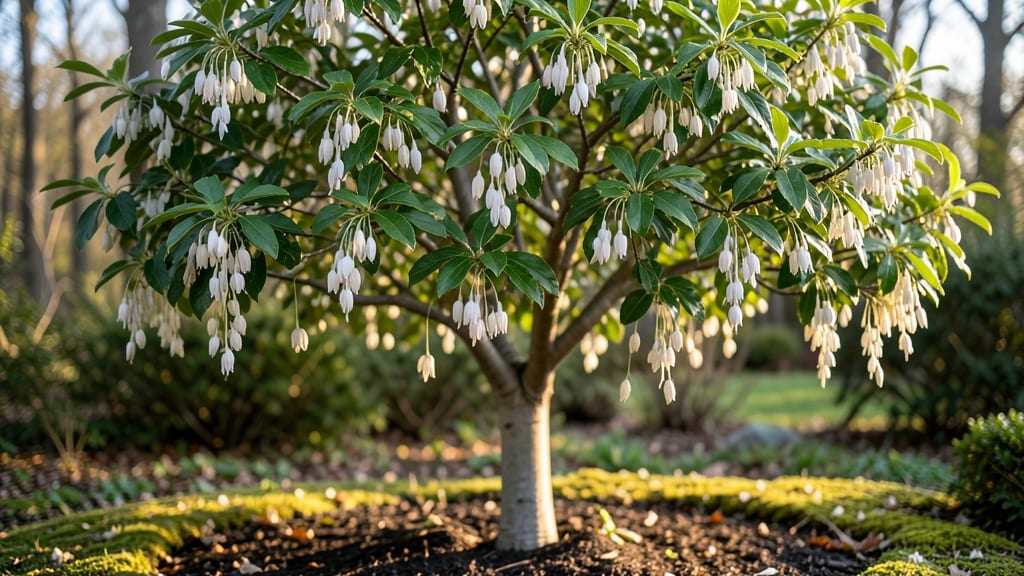
Trees with green leaves and white flowers transform any yard into a serene sanctuary. 🌿 I’ve planted these showstoppers as both focal points and privacy screens, and their fragrant blooms make every season feel special.
The right species can create a lush backdrop year-round, from spring’s delicate blossoms to autumn’s fiery foliage. Dogwoods and magnolias top the list—both offer glossy green leaves and stunning white flowers, plus some varieties stay fragrant even in summer.
They grow tall enough to block nosy neighbors but still fit in smaller yards with careful spacing. My ‘Cherokee Brave’ dogwood blooms in early spring, then delivers deep red fall color, while the ‘Ann’ magnolia stays lush all season with creamy white flowers.
For a low-maintenance screen, pair these with evergreens like ‘Emerald Green’ arborvitae for year-round coverage. The contrast of their blue-green foliage against white blooms creates a striking visual. You’ll end up with a garden that feels like a private retreat, all while adding curb appeal that turns heads.
Perfect for borders, focal points, or even urban courtyards—these trees work in almost any setting. Let’s find the one that fits your space and style!
Understanding Leaf and Bloom Changes
When your prized tree sports lush green leaves but produces delicate white flowers—especially if it’s not the expected seasonal shift—it’s often a sign of underlying biological or environmental factors at play.
Let’s break down the science behind why this happens, so you can diagnose and address the issue with confidence.
A tree’s vibrant green leaves and fragrant white blooms are both fueled by a delicate balance of nutrients. When the soil lacks essential elements, the tree may prioritize one over the other, leading to unexpected color shifts.
- Nitrogen Deficiency:
Green leaves rely heavily on nitrogen for chlorophyll production. If the soil is nitrogen-poor, the tree may reduce leaf chlorophyll to conserve resources, making them appear dull or pale. Meanwhile, white flowers—being less nutrient-demanding—can still bloom as the tree shifts energy toward reproduction.
Actionable Fix: Test your soil and amend it with organic matter like compost or a slow-release nitrogen fertilizer (e.g., blood meal). For immediate results, use a balanced 10-10-10 fertilizer.
- Phosphorus or Potassium Overload:
Too much phosphorus or potassium can suppress nitrogen uptake, leading to yellowing leaves while white flowers thrive (since blooms often require phosphorus for development). This imbalance is common in heavily fertilized or alkaline soils.
Actionable Fix: Flush the soil with water to leach excess nutrients, then adjust pH to 6.0–7.0 (ideal for most flowering trees). Avoid synthetic fertilizers high in phosphorus (e.g., bone meal).
Water availability directly impacts a tree’s ability to produce chlorophyll and sustain flowers. Stress from overwatering or drought can force the tree into a survival state, where it prioritizes either foliage or blooms—but rarely both optimally.
- Drought Stress:
When roots struggle to absorb water, the tree sheds chlorophyll to reduce water loss through leaves, turning them pale or yellowish. However, white flowers may still appear because they require less water than leaves and can act as a reproductive last resort.
Actionable Fix:
- 💧 Deep-water the tree 1–2 times per week (depending on climate) to encourage deep root growth.
- 🌡️ Mulch with 2–3 inches of organic mulch (e.g., wood chips) to retain moisture.
- 🌱 Avoid shallow watering; use a soaker hose to deliver water directly to roots.
- Overwatering:
Excess moisture drowns roots, preventing nutrient uptake. The tree may produce sparse, pale leaves while pushing white flowers as a stress response (some species, like Hydrangea, bloom more when roots are slightly oxygen-deprived).
Actionable Fix:
- ⏰ Allow the top 2 inches of soil to dry between waterings.
- 🔥 Improve drainage by amending soil with perlite or sand.
- 🌿 Plant in a location with natural slope or raised beds to prevent water pooling.
Herbicides, pesticides, or even well-intentioned soil amendments can disrupt a tree’s natural processes, leading to leaf discoloration and abnormal flowering patterns.
- Herbicide Damage:
Glyphosate or broadleaf herbicides can block nutrient absorption in roots, causing leaves to lose chlorophyll and turn pale. Meanwhile, the tree may produce white flowers as a compensatory mechanism to attract pollinators and ensure reproduction.
Actionable Fix:
- 🚫 Stop using herbicides near the tree’s root zone (a 3-foot radius is safest).
- 🌿 Apply a chelating iron supplement to revive chlorophyll production.
- 💡 Monitor for new growth; if leaves remain pale after 2–3 months, consider root flush treatments.
- Salt or Chemical Buildup:
Over-fertilization, road salt, or hard water can create a saline soil environment, preventing roots from absorbing water and nutrients. This stress often results in pale leaves and an overproduction of white flowers (as the tree invests in reproduction over maintenance).
Actionable Fix:
- 💦 Flush the soil with 5–6 gallons of water per square foot to leach out salts.
- 🔄 Replace topsoil in affected areas with organic, peat-based compost.
- 🌧️ Use rainwater or distilled water for irrigation to avoid further salt accumulation.
Pathogens and pests can hijack a tree’s energy, forcing it to allocate resources unevenly. Some diseases even stimulate abnormal flowering as a survival tactic.
- Fungal Infections (e.g., Powdery Mildew, Anthracnose):
Fungi like Erysiphe (powdery mildew) can coat leaves, blocking sunlight and reducing chlorophyll. The tree may respond by producing white flowers earlier or more abundantly as a way to attract pollinators for seed production.
Actionable Fix:
- 🍄 Treat with neem oil or baking soda spray (1 tsp baking soda + 1 quart water + a drop of dish soap).
- 🌳 Prune affected branches 1 inch below the infection and sterilize tools with rubbing alcohol.
- ✨ Improve airflow with strategic pruning to reduce humidity around foliage.
- Sap-Sucking Insects (e.g., Aphids, Scale):
Insects like aphids extract sap, starving leaves of nutrients and causing them to turn pale or yellow. The tree may then overproduce flowers to compensate, as blooms require less energy than healthy leaves.
Actionable Fix:
- 🐛 Blast insects off with a strong stream of water or use insecticidal soap.
- 🦋 Introduce beneficial predators like ladybugs or lacewings.
- 🌿 Apply kaolin clay as a physical barrier to deter insects.
Pro Tip: 💡 If your tree’s white flowers are more abundant than usual alongside pale leaves, it’s often a sign of stress. The key is to identify the primary stressor first—nutrients, water, chemicals, or pests—and address it systematically. Start with a soil test and visual inspection of leaves/stems for clues!
Revive your blooming beauty
If your tree with lush green leaves and delicate white flowers isn’t thriving, don’t fret—most issues have simple fixes. Below, we’ve mapped common problems to practical solutions, so you can restore your privacy screen’s health and fragrance in no time. Prevention tips are included to keep your tree flourishing year-round!
If your tree’s roots are soggy or leaves turn yellow despite green foliage, drainage is the culprit.
- 🔥 Fix: Improve soil aeration by mixing in compost or perlite (20-30%) into the root zone. For potted trees, ensure the container has drainage holes.
- 👨🍳 Step-by-Step:
- Gently loosen the top 6 inches of soil around the base.
- Amend with organic matter (like coconut coir or sand) to boost drainage.
- Water only when the top 2 inches of soil feel dry.
- 💡 Prevention: Use raised beds or containers if your soil is naturally heavy clay. Mulch (2-3 inches) to regulate moisture.
Drooping leaves or crispy edges? Your tree might be thirsty or struggling with heat.
- 🍳 Fix: Deep watering 1-2 times per week (adjust for climate). For mature trees, soak the soil to a depth of 12-18 inches.
- 🌡️ Step-by-Step:
- Water slowly at the base (avoid wetting leaves to prevent fungal issues).
- Use a moisture meter to check soil hydration.
- Provide afternoon shade with lightweight shade cloth during extreme heat.
- ✨ Prevention: Group trees with similar water needs. Drip irrigation systems save time and stress.
Sticky residue on leaves or tiny webs? Pests are likely sucking the life out of your blooms.
- 🔪 Fix: Start with neem oil (1 tsp per quart of water) or insecticidal soap. For severe cases, use horticultural oil in early spring.
- 🎯 Step-by-Step:
- Spray undersides of leaves (where pests hide) in the early morning or evening.
- Repeat every 5-7 days until pests disappear.
- Introduce ladybugs or lacewings for natural control.
- 💡 Prevention: Encourage beneficial insects with native flowering plants nearby. Prune regularly to improve airflow.
Even with green leaves, poor soil nutrition can limit white flower production.
- 📊 Fix: Test your soil (DIY kits are affordable) and amend with:
- Nitrogen (for leafy growth): Blood meal or fish emulsion.
- Phosphorus (for blooms): Bone meal or rock phosphate.
- Potassium (for root health): Banana peel tea or greensand.
- 🍎 Step-by-Step:
- Apply a balanced 10-10-10 fertilizer in early spring.
- Top-dress with compost annually for slow-release nutrients.
- For potted trees, fertilize every 4-6 weeks during growing season.
- 🌱 Prevention: Avoid over-fertilizing—stick to the recommended dose. Mulch with well-aged compost to feed soil gradually.
Brown tips or delayed blooms after cold snaps? Your tree may need winter protection.
- 🔥 Fix: Wrap the trunk with burlap or tree guard to prevent sunscald. Mulch heavily (4-6 inches) around the base.
- 👨🍳 Step-by-Step:
- Install a windbreak (like a temporary fence) if your tree is exposed.
- Water deeply before the first frost to hydrate roots.
- Remove protective covers in early spring to avoid trapping heat.
- 💡 Prevention: Choose cold-hardy varieties (e.g., Chionanthus or Deutzia) if you live in Zone 5 or colder.
With these targeted fixes, your green-leaved, white-flowering tree will bounce back stronger than ever. Consistency is key—monitor soil, pests, and water needs regularly to keep your privacy screen fragrant and lush!
Frequently asked questions
Which trees with white flowers and green leaves are best for small yards?
Look for compact varieties like the ‘Florida Pink’ dogwood (6-8 feet tall) or ‘Snowdrift’ crabapple (15-20 feet). Both offer abundant white blooms and glossy green leaves while fitting neatly in tight spaces. Dwarf magnolias like ‘Little Gem’ (15-20 feet) also work well for smaller areas.
Do these trees attract bees and butterflies?
Trees like dogwood and magnolia produce fragrant white flowers that are bee magnets. The blooms provide early-season nectar, while their green leaves offer shade for pollinators. For extra butterfly appeal, pair them with native perennials like milkweed or coneflowers.
How do I prune these trees to encourage more white flowers?
Prune in late winter or early spring before new growth begins. Remove dead or crossing branches first, then cut back about 1/3 of the oldest stems to the ground. This stimulates fresh growth and more abundant blooms. Avoid heavy pruning after flowering season.
Can I grow these trees in containers?
Yes, but choose dwarf varieties like ‘Dwarf Fountain’ dogwood or ‘Teddy Bear’ magnolia. Use a large container (at least 15-gallon) with drainage holes and well-draining potting mix. Move containers to a sunny spot in summer and bring indoors if temperatures drop below 20°F.
Why are my tree's white flowers sparse this year?
Sparse blooms often signal stress—check for over-fertilizing (too much nitrogen), poor drainage, or pest damage. If the tree is young, it may still be establishing roots. For established trees, apply a balanced bloom booster fertilizer in early spring and ensure consistent watering.