
Pruning
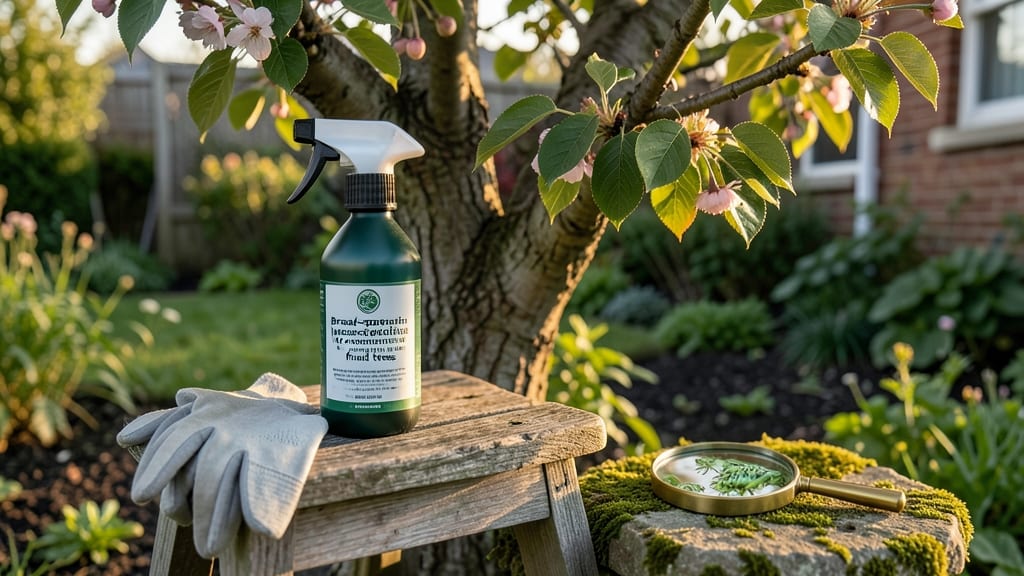
The organic cherry tree insecticide you need to stop aphids and borers is simple, effective, and safe for your garden. 🌿 I’ve battled cherry tree pests for years, and the right spray can turn back infestations without harming bees or your family—if you time it right and use the proper mix.
The key is neem oil or kaolin clay spray, both of which smother pests while being safe for blooms. You’ll need a sprayer, gardening gloves, and a sunny day (windless, ideally).
Apply in the early morning when pests are active but bees aren’t yet foraging—this makes all the difference.
Within 24 hours, you’ll see fewer pests clinging to new growth, and after 3-4 treatments spaced a week apart, your tree will look like it did before the invasion. The leaves stay vibrant, and the fruit develops without blemishes from insect damage.
Works for sweet, sour, or tart cherries, and the same spray schedule protects against spider mites and Japanese beetles too. Just avoid spraying when fruit is ripe—wait until harvest is over to keep your cherries safe for the table.
📚 In This Guide
- What you need
- Instructions
- Tips and common mistakes
- Wrapping up and next steps
What you need
- ● Cherry tree insecticide (organic or synthetic): Neem oil spray (1-2% concentration) – 1 gallon per 100 sq. ft. of tree canopy
- ● Horticultural oil (dormant season) – 1-2% concentration, 1 gallon per 100 sq. ft.
- ● Insecticidal soap (for soft-bodied pests) – 1-2 tbsp per gallon of water
- ● Pyrethrin-based spray (synthetic) – Follow label instructions for dilution
- ● Spraying equipment: Backpack sprayer (3-5 gallon capacity) – For large trees
- ● Handheld sprayer (1-2 gallon) – For smaller trees or spot treatments
- ○ Hose-end sprayer (optional) – For water-based sprays
- ● Safety gear: Gloves (nitrile or rubber) – Chemical-resistant
- ● Long-sleeved shirt and pants – To protect skin
- ● Safety goggles – For eye protection
- ● Face mask or respirator – If using strong chemicals
- ● Cleaning supplies: Rag or paper towels – For spills or cleanup
- ● Mild soap and water – For rinsing tools
- ● Ladder or step stool – For reaching higher branches
- ● Pruning shears – To remove heavily infested branches
- ● Garden hose with nozzle – For rinsing leaves before/after spraying
- ● Weatherproof storage container – For leftover insecticide
- ● Timer or spray gauge – To ensure even coverage
- ● Check the weather forecast – Apply on a calm, wind-free day (avoid spraying if rain is expected within 24 hours).
- ● Read the label instructions on your chosen insecticide – Follow dilution rates and safety warnings.
- ● Water the tree 24 hours before spraying – Helps reduce stress on the tree.
- ● Remove infested fruit or debris from the ground – Prevents reinfestation.
Step-by-step instructions for making an effective organic cherry tree insecticide
Here’s my go-to organic spray recipe that’s saved my cherry trees from aphids, mites, and borers—no harsh chemicals needed.
🌿 Step 1: Gather and Prepare Your Organic Ingredients
Start with 1 tablespoon of pure neem oil and 1 tablespoon of insecticidal soap—both are powerhouses for suffocating soft-bodied pests like aphids and spider mites. Add 1 teaspoon of cayenne pepper to the mix for an extra kick against chewing insects. These ingredients work together to disrupt pests’ life cycles while being completely safe for your tree.
Fill a 1-quart spray bottle with warm water—never cold, as it won’t mix well with the oils. Stir in the dry ingredients first, then add the neem oil and insecticidal soap. Shake vigorously until fully emulsified. If you see separation after a few minutes, give it another good shake before use. This ensures even coverage when you spray.
💧 Step 2: Apply the Spray at the Right Time and Temperature
Wait until early morning or late afternoon when temperatures are below 85°F—heat can burn the tree leaves and reduce the spray’s effectiveness. Focus on the undersides of leaves, where pests often hide, and the trunk and branches where borers may be active. A fine mist is ideal; avoid soaking the bark, as excess moisture can invite fungal issues.
Spray thoroughly until the foliage glistens with moisture. This isn’t just for show—it ensures the active ingredients make contact with pests. Reapply every 7-10 days or after rain, as the spray washes off. Consistency is key; pests rebound quickly if you skip treatments.
✂️ Step 3: Monitor and Reinforce for Long-Term Protection
Check your tree 3-5 days after spraying for signs of pests. Look for sticky residue (honeydew) on leaves, which signals aphids, or fine webbing, a giveaway for spider mites. If you spot new activity, repeat the spray or add 1 tablespoon of food-grade diatomaceous earth to your mix for extra abrasive action against crawling pests.
For stubborn infestations, like borers, prune and remove heavily damaged branches immediately after spraying. Seal any fresh cuts with pruning paint to prevent secondary infections. This two-pronged approach—chemical-free spray and physical removal—keeps your cherry tree healthy and productive.
☀️ Step 4: Prevent Future Infestations with Cultural Care
Healthy trees resist pests better. Water deeply once a week during dry spells to encourage strong root growth, and mulch around the base with 2-3 inches of organic mulch to retain moisture and deter soil-dwelling pests. Avoid over-fertilizing with nitrogen, which attracts soft-bodied insects like aphids.
Finally, inspect your tree weekly during peak pest seasons (spring and summer). Early detection means fewer chemicals and happier fruit. Store any leftover spray in a cool, dark place—it’s effective for up to 2 weeks if kept sealed.
Tips & tricks for perfect organic cherry tree spray
These little details make all the difference between a good spray and a truly effective one that keeps pests at bay.
Mixing Technique: When combining the 1 tablespoon of neem oil and 1 tablespoon of insecticidal soap with warm water, use a whisk or small hand mixer instead of just stirring. This creates tiny oil droplets that suspend better in water, ensuring even coverage when you spray. I learned this the hard way after seeing separation in my first batch—now I always mix thoroughly for at least 30 seconds to prevent clumping.
Application Strategy: The undersides of leaves are where most pests hide, so take your time here. Use a gentle back-and-forth motion with your spray bottle to ensure full coverage without oversaturating. I find it helps to work in sections—spray one branch thoroughly before moving to the next. This method prevents you from missing spots while keeping your hands steady.
Timing Secret: The 7-10 day reapplication window is critical, but don't wait until you see pests to spray again. Consistency is what breaks pest life cycles. I set a reminder on my phone for every 7 days during peak seasons (spring and summer) to stay ahead of infestations. If you miss a week, pests can rebound quickly—better to be proactive.
Storage Wisdom: Even though the spray lasts up to 2 weeks when sealed, I've found that adding a few drops of 1 tablespoon of food-grade diatomaceous earth (when making fresh batches) extends its shelf life by an extra week. Store it in a dark, cool place like a pantry or garage to preserve its potency. Just remember to shake well before each use, as ingredients naturally separate over time.
Pro Tips for Cherry Tree Insecticide
- These little details make all the difference between a good spray and a truly effective one that keeps pests at bay.
- Mixing Technique: When combining the 1 tablespoon of neem oil and 1 tablespoon of insecticidal soap with warm water, use a whisk or small hand mixer instead of just stirring.
- Application Strategy: The undersides of leaves are where most pests hide, so take your time here.
Frequently asked questions
Got questions about keeping your cherry tree pest-free? You’re not alone! Here are some of the most common concerns—and straightforward answers—to help you tackle insect issues like a pro.
When is the best time to apply cherry tree insecticide?
The ideal times are early spring (before buds swell) and late summer (after harvest). This timing targets pests like aphids, borers, and spider mites before they cause major damage. Avoid spraying during blooming (to protect pollinators) or extreme heat—wait for mild, overcast days for best results.
Can I use organic insecticides on cherry trees?
Organic options like neem oil, kaolin clay, or pyrethrin-based sprays (derived from chrysanthemums) are effective and safer for ecosystems. For heavy infestations, horticultural oil in dormant season works wonders. Always check labels for tree compatibility and reapply as needed.
What if my cherry tree has holes in the bark?
Holes often signal borer infestations. Start by pruning damaged branches below the holes, then apply a systemic insecticide (like imidacloprid) or borer-specific baits. For organic fixes, inject spinosad into the trunk or use parasitic nematodes in the soil. Monitor for new activity!
Will insecticide harm my cherry harvest?
Most modern insecticides are low-residue when used correctly, but always follow pre-harvest intervals (PHI) listed on the label. Organic sprays (like neem) are safer for edible fruit if applied 3–7 days before picking. When in doubt, opt for targeted sprays (e.g., spot-treating infested areas) to minimize exposure.
How do I know if my insecticide isn’t working?
If pests persist after 2–3 applications, you may need to:
- Rotate insecticides (pests build resistance!)
- Check for misidentification (e.g., fungal issues vs. insects)
- Ensure full coverage (undersides of leaves, bark crevices)
- Consider beneficial predators (ladybugs, lacewings) for long-term balance.
Pro Tip: Timing is Everything!
Apply insecticide in the evening to protect bees and other pollinators. Avoid temps above 85°F—sprays can burn foliage. For organic growers, companion planting (e.g., marigolds, garlic) can deter pests naturally!
Wrapping up and next steps
Protecting your cherry tree from pests doesn’t have to mean harsh chemicals—organic insecticides are a powerful, eco-friendly alternative! Whether you’re dealing with aphids, borers, or mites, the right spray can keep your tree thriving while safeguarding local wildlife.
With the right preparation, timing, and consistency, you’ll see healthier foliage and fruit in no time.
Ready to take action? Start by assessing your tree’s needs, then pick the organic insecticide that fits best. A little effort now means a bountiful harvest later—so grab your spray bottle and get growing! 🌱🍒