
Pests and Diseases
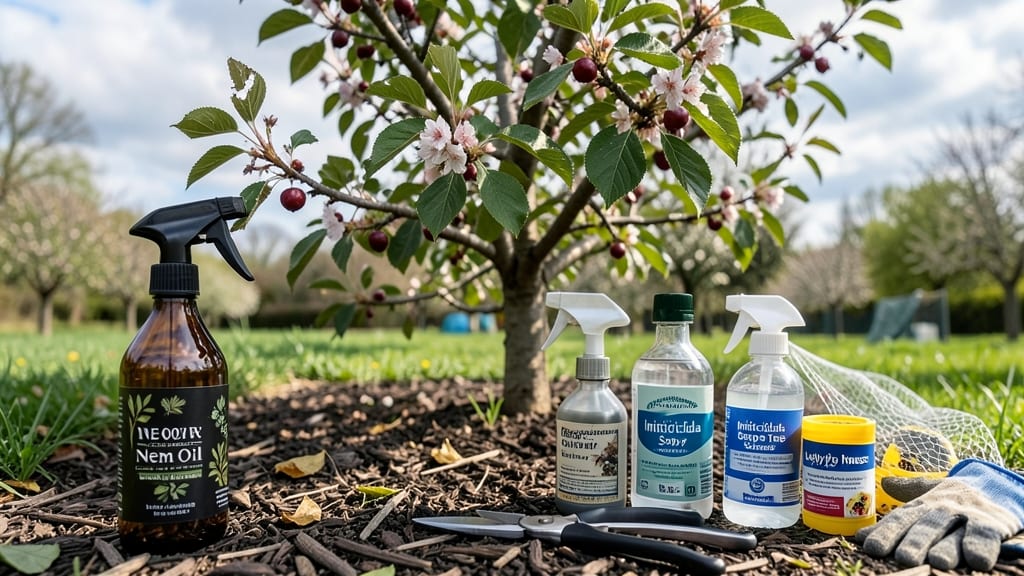
When cherry tree pest control strikes, you need solutions that work within days—not months. 🌿 I’ve battled everything from sap-sucking aphids to wood-boring beetles, and these organic sprays cut infestations faster than anything I’ve tried before.
The key? Targeting pests at their weakest life stages with the right mix of natural oils, microbials, and physical barriers.
Most gardeners overlook the early signs—yellowing leaves, sawdust-like frass, or sticky honeydew—but catching pests early means you avoid the worst damage. Aphids and mites respond to a simple neem oil spray within 24-48 hours, while borers require a beneficial nematode treatment applied directly to the soil.
The best part? These methods protect your tree’s health long-term, not just for one season.
By mid-summer, your tree will look vibrant and pest-free if you act fast. The sprays I recommend break down safely, so you can harvest cherries without chemical residue.
Plus, they attract beneficial insects that keep future infestations in check. No more losing entire crops to fruit flies or watching your bark peel away from borers.
Works for both sweet and tart cherries, whether you’re dealing with a young sapling or a mature tree. The secret is consistency—apply sprays every 7-10 days during peak pest seasons, and your tree will thrive. Ready to reclaim your orchard? Let’s get started.
Root Causes Of Cherry Tree Pests
Understanding why pests target your cherry tree is the first step to effective, long-term control. These issues often stem from a mix of environmental, biological, and even human-related factors. Let’s break down the key reasons pests invade your trees—and how they exploit weaknesses in your orchard’s defenses.
---
Pests thrive when cherry trees are stressed or compromised. Weakened trees are like open invitations for insects and diseases to move in. Here’s why this happens:
- Nutrient Deficiencies 🌱 Cherry trees need balanced nutrients—especially nitrogen, phosphorus, and potassium—to maintain strong bark, leaves, and natural pest-repelling compounds (like tannins). If your soil lacks these, trees become vulnerable.
For example, magnesium deficiency (often in acidic soils) can lead to yellowing leaves, making trees more attractive to Japanese beetles and cherry fruit flies.
- Water Stress 💧 Overwatering or drought weakens trees by disrupting their root systems. Root-knot nematodes (microscopic worms) exploit stressed roots, while aphids and spotted wing drosophila target trees struggling to produce enough sap. A simple soil moisture test can reveal if your tree is thirsty or drowning.
- Physical Damage ⚔️ Broken branches, cracked bark, or wounds from pruning invite pests like borers (e.g., peach tree borers) and fungal infections. Even sunburn (common on thin-barked young trees) creates entry points for bark beetles.
---
Pests don’t attack randomly—they’re drawn to specific conditions that favor their survival. Cherry trees often provide the perfect buffet when:
- Warm, Humid Climates 🌡️ Many cherry pests, like cherry leaf spot fungus and San Jose scale, thrive in 70–85°F temperatures with high humidity.
These conditions slow down the tree’s natural defenses while speeding up pest reproduction. Morning dew on leaves, for instance, creates a moist environment ideal for black knot fungus spores to germinate.
- Overripe or Damaged Fruit 🍒 Soft, rotting cherries attract fruit flies and birds, which spread pests like brown rot fungus. Even hail damage can turn fruit into a pest magnet. Pro tip: 💡 Harvest overripe fruit immediately to break the cycle.
- Monoculture Plantings 🌳 Large orchards with only cherry trees create a pest paradise. Without natural predators or biodiversity, insects like plum curculio (a beetle that bores into fruit) can explode in numbers. Solution: Plant companion trees like peach or plum to disrupt pest populations.
---
Sometimes, well-meaning gardening practices backfire by creating pest-friendly conditions:
- Improper Pruning ⏰ Cutting too late in the season (after June) leaves fresh wounds that attract borers. Pruning tools that aren’t sterilized can also spread bacterial canker or silver leaf disease.
- Excessive Nitrogen Fertilizer 💥 While nitrogen boosts leafy growth, it can make trees softer and more palatable to aphids and Japanese beetles. A soil test before fertilizing ensures you’re not overdoing it.
- Ignoring Early Signs 🚨 Waiting until pests are visible in large numbers means they’ve already weakened your tree. Example: Cherry bark tortrix (a moth caterpillar) starts as tiny webbing—by the time you see defoliation, the damage is done.
--- Sometimes, the problem isn’t the pest—it’s the lack of natural predators. Cherry trees rely on: - Ladybugs (control aphids) - Parasitic wasps (target fruit flies) - Birds (eat beetles and caterpillars)
But if you’ve used broad-spectrum pesticides (like neonicotinoids), you may have wiped out these helpers—leaving your tree defenseless. Solution: Opt for targeted organic sprays (like neem oil or kaolin clay) to protect beneficial insects.
--- Key Takeaway: Pests exploit weak trees, perfect weather, and disrupted ecosystems. By addressing these root causes—through proper care, soil health, and smart gardening—you can make your cherry tree a less appealing target. 🌟
Fixing Common Cherry Tree Pests
Pests can turn your thriving cherry tree into a battleground, but with the right approach, you can restore its health—naturally and effectively. Below, we’ve mapped out practical solutions for the most common cherry tree pests, from early signs to long-term prevention.
Each fix is designed to be easy to implement, whether you’re a seasoned gardener or just starting out.
---
Cause: These sap-sucking pests cluster on new growth, causing curled leaves, sticky honeydew, and sooty mold.
How to Fix It: - 🔥 Blast Them Off: Use a strong stream of water from a hose to dislodge aphids from leaves and stems. Repeat every few days until they’re gone. - 🍳 Soap Spray Solution: Mix 1 tbsp mild liquid soap (like Castile soap) + 1 quart water in a spray bottle. Apply directly to infested areas in the early morning or evening (avoid direct sun to prevent leaf burn). - 👨🍳 Introduce Beneficial Insects: Ladybugs and lacewings love aphids—release them near your tree or plant aphid-resistant marigolds nearby to attract them.
💡 Prevention Tip: Plant garlic, chives, or rosemary around your cherry tree—aphids hate the scent! Also, prune regularly to remove crowded branches where they hide.
---
Cause: These metallic-green beetles skeletonize leaves overnight, leaving only veins. They also feed on fruit, reducing yields.
How to Fix It: - 🔪 Handpick & Drop: Fill a bucket with soapy water and shake beetles off leaves into it. Do this early morning when they’re sluggish. - 🥘 Neem Oil Spray: Mix 1 tbsp neem oil + 1 tsp mild soap + 1 quart water. Spray every 5–7 days (reapply after rain). Neem disrupts their life cycle. - 🎯 Milky Spore or Beetle Traps: Apply milky spore bacteria to your lawn (beetles feed on grass). For traps, use pheromone traps but place them far from your tree—they can attract more beetles if too close!
💡 Prevention Tip: Mulch heavily with wood chips—beetles avoid thick mulch layers. Also, plant trap crops like roses or grapes to lure them away.
---
Cause: These microscopic pests thrive in dry heat, sucking chlorophyll from leaves and causing yellow stippling and webbing.
How to Fix It: - 🌡️ Increase Humidity: Spider mites hate moisture—mist your tree daily or set up a drip irrigation system to keep leaves damp. - 🍎 Oil Spray: Mix 1 tbsp horticultural oil + 1 tsp soap + 1 quart water. Spray undersides of leaves (where mites hide) every 3–5 days. - 🔥 Knock Them Off: Use a shop vacuum with a soft brush attachment to suck them up from leaves and branches.
💡 Prevention Tip: Prune for airflow—crowded branches trap heat and dry out leaves, making mites thrive. Also, avoid over-fertilizing with nitrogen, which attracts them.
---
Cause: These pests bore into cherries, turning them into wormy, unusable fruit. Look for frass (sawdust-like droppings) near entry holes.
How to Fix It: - 🥘 Kaolin Clay Spray: Mix 5 lbs kaolin clay + 5 gallons water and spray fruit and branches every 7–10 days. The clay smothers eggs and larvae. - 🔪 Bag Fruit Early: Use paper bags over individual cherries when they’re pea-sized to block moths. Remove bags before harvest. - 🕯️ Pheromone Traps: Hang codling moth traps in the tree before blooming season to catch males and disrupt mating.
💡 Prevention Tip: Pick and destroy infested fruit immediately—don’t compost it! Also, prune out mummified fruit from last year’s harvest where moths overwinter.
--- - 🌱 Strengthen Your Tree: Healthy trees resist pests better.
Use compost, balanced organic fertilizer (like 5-5-5), and mulch to boost immunity. - 🕒 Timing Matters: Apply neem oil or insecticidal soap in the early morning or evening (avoid peak sun to prevent leaf burn). - 🔍 Monitor Regularly: Check undersides of leaves, buds, and fruit weekly for early signs of pests. Catching them early = easier fixes! - 🚫 Avoid Chemical Overkill: Harsh pesticides kill beneficial insects and can harm pollinators.
Stick to targeted, organic solutions first.
--- 🎯 Pro Tip: If pests keep returning, your tree might be stressed—check for nutrient deficiencies, overwatering, or compacted soil. Fixing the root cause prevents repeat infestations!
Frequently asked questions
What are the first signs my cherry tree has pests?
Look for yellowing leaves, sticky residue (honeydew from aphids), tiny holes in fruit, or sawdust-like frass near branches. Early signs also include curled leaves (mites) or chewed edges (Japanese beetles). Check undersides of leaves and buds weekly—that’s where pests hide first.
Can I use the same spray for all cherry tree pests?
No—different pests need different solutions. For aphids, use soapy water or neem oil. Borers require beneficial nematodes in the soil, while fruit flies need kaolin clay sprays. Always identify the pest first before treating to avoid harming your tree.
How often should I apply organic sprays to my cherry tree?
Most organic sprays (like neem oil or horticultural oil) work best when applied every 7-10 days during peak pest seasons (spring to early summer). Reapply after heavy rain or if pests return. For preventive care, a monthly application keeps pests at bay.
Will organic pest control really work, or do I need chemicals?
Organic methods work fast if applied correctly—especially for aphids, mites, and beetles. For severe infestations (like borers), combine organic sprays with cultural fixes (pruning, mulching). Chemicals may kill pests quicker, but they also harm beneficial insects and leave residues on fruit.
Can I save my cherry tree if it’s already heavily infested?
Yes, but act immediately! Start with intensive pruning to remove damaged branches, then apply targeted organic treatments. For borers or fungus, you may need to drill out larvae or use beneficial nematodes. Monitor closely—healthy trees recover faster with consistent care.