
Pruning
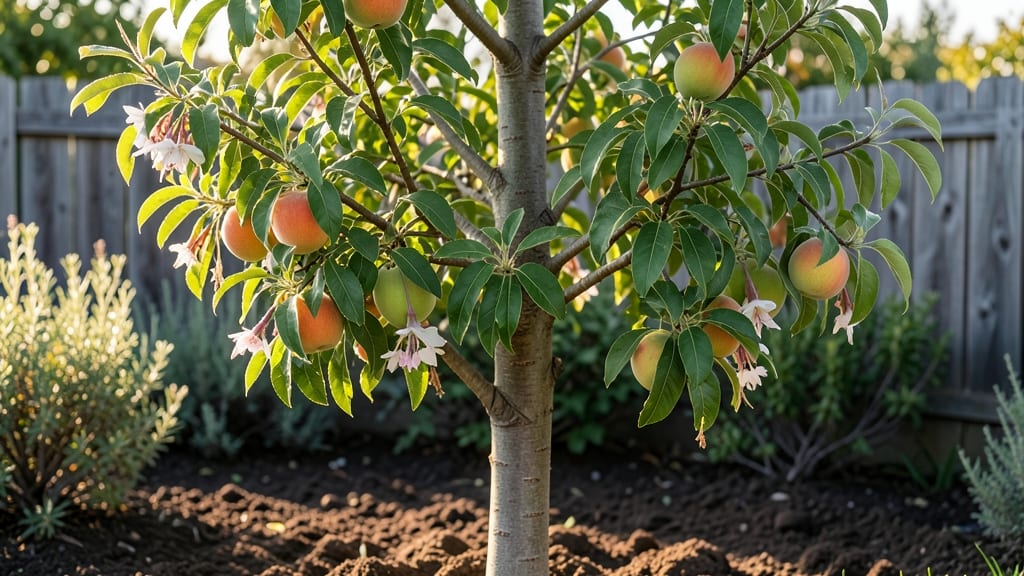
Peach trees typically bear fruit between 2 to 5 years after planting, depending on variety, climate, and care. Dwarf varieties may fruit in as little as 2 years, while standard trees can take 4-5 years for full production. Proper pruning, sunlight, and soil health accelerate fruiting timelines.
Waiting for peaches means understanding your tree's unique needs—some varieties like 'Redhaven' produce fruit faster in warmer climates, while others need extra care to reach maturity sooner. 🌳 The key factors are sunlight exposure (at least 6-8 hours daily), well-draining soil, and regular pruning to remove dead branches.
I've seen dwarf trees fruit in just 1-2 years when given optimal conditions, proving patience and proper care can dramatically shorten the wait time.
For those eager to harvest sooner, focus on rootstock selection—dwarf varieties grow faster and often bear fruit earlier than standard trees. Adding compost to the soil and maintaining consistent moisture levels during the first two years can also give your tree a strong start.
Remember, every year you invest in proper care brings you closer to that first sweet harvest!
💡 In This Article
- Peach Tree Varieties and Their Fruiting Timelines
- How to Speed Up Peach Tree Fruit Production
Peach tree varieties and their fruiting timelines
Peach tree varieties exhibit dramatic differences in fruiting timelines, with some reaching maturity in just 1-2 years while others take 4-5 years or longer.
The fast-bearing 'Redhaven' variety, for example, typically produces fruit within 2-3 years when grown in ideal conditions, especially in USDA zones 5-8 where winters are mild enough to break dormancy properly.
In contrast, the 'Elberta' variety often takes 3-5 years to bear significant fruit due to its larger size and slower growth rate.
The rootstock plays a crucial role in determining fruiting speed. Dwarf varieties grafted onto Lovell or Halford rootstocks can produce fruit in as little as 1-2 years because these rootstocks promote rapid growth and early flowering.
Standard trees, however, may take 4-5 years because their larger size requires more time to develop a strong canopy and root system.
The 'Sanguine' variety, for instance, often fruits within 2 years but produces smaller yields compared to larger varieties like 'Contender', which may take 3-4 years to reach full production.
Climate zones significantly impact fruiting timelines. In warmer regions like California's Central Valley (zone 9), peach trees can bear fruit within 1-2 years due to extended growing seasons and fewer winter chilling hours.
However, in colder zones like Minnesota (zone 4), trees may take 3-5 years because they need 400-800 hours of chilling below 45°F to break dormancy and flower properly. The 'Reliance' variety, bred for cold climates, often fruits within 3 years when given sufficient chilling hours.
Another key factor is the tree's genetic predisposition to early fruiting. Some varieties, like 'Bonanza', are bred specifically for early production and can bear fruit within 2 years if planted in well-drained soil with 6-8 hours of sunlight daily.
In contrast, heirloom varieties such as 'Donut' peaches may take 4-5 years because they prioritize fruit quality over speed. The choice of variety, therefore, directly influences how quickly you can enjoy that first harvest of juicy, sun-ripened peaches.
For those in cooler climates, selecting varieties with moderate chilling requirements (around 500-600 hours) can help balance fruiting speed with reliability. For example, 'Hale Haven' often fruits within 2-3 years in zones 5-7, while 'Crimson Snow' may take 3-4 years but produces larger, more flavorful fruit.
Understanding these nuances allows you to tailor your selection to your specific climate and patience level.