
Pruning
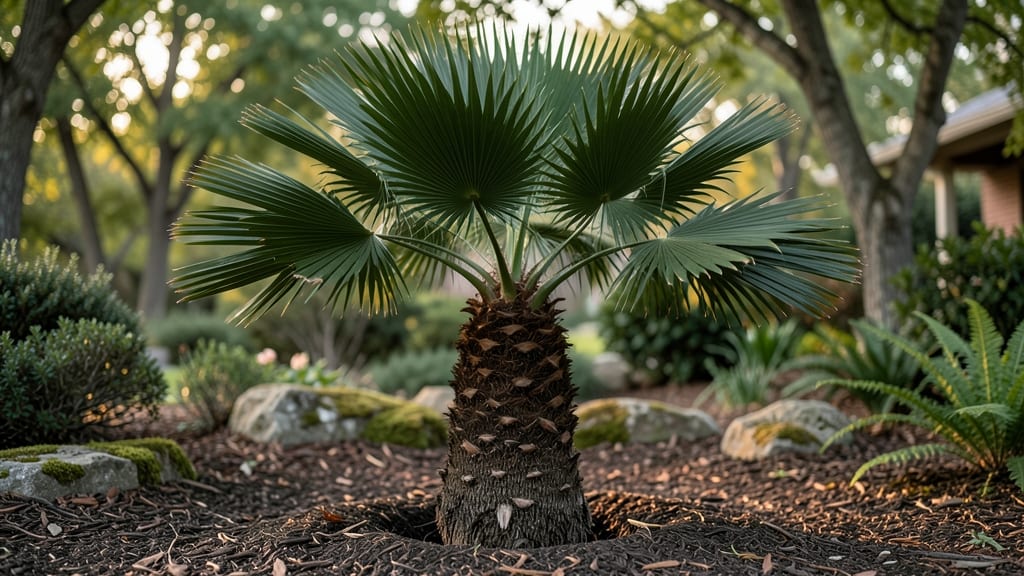
Understanding palm tree cold tolerance reveals that hardy species like the Windmill Palm and Needle Palm can withstand brief freezes down to 15°F, whereas most tropical palms succumb when temperatures drop below 32°F. Strategic protection methods like mulching and microclimates significantly boost their survival odds in colder regions.
Not all palm trees are created equal when it comes to chilly weather. 🌬️ The most resilient varieties—such as the Windmill Palm (Trachycarpus fortunei) and Needle Palm (Rhapidophyllum hystrix)—have evolved thick trunks and waxy leaves that act like natural insulation against frost.
These adaptations allow them to survive brief dips into the teens, while tropical palms like the Date Palm or Royal Palm simply can't handle temperatures below freezing without severe damage.
The key difference lies in their origins: cold-hardy palms hail from regions with seasonal temperature swings, while tropical palms thrive only in consistent warmth.
If you're growing palms in colder zones, creating a microclimate around the base with mulch or windbreaks can raise soil temperatures by several degrees.
I've seen dramatic results by wrapping trunks with burlap and covering the canopy with frost cloth—this simple layering can mean the difference between a thriving palm and one that browns and dies back. Even the hardiest palms need careful winter prep, especially in areas where sudden cold snaps occur.
💡 In This Article
- Cold-Hardy Palm Tree Species Breakdown
- Protecting Palm Trees from Freezing Temperatures
Cold-hardy palm tree species breakdown
The anatomy of cold-hardy palms reveals why they survive where tropical palms fail. Species like the Windmill Palm (Trachycarpus fortunei) and Needle Palm (Rhapidophyllum hystrix) have evolved thick, fibrous trunks that act like natural insulation.
Their trunks store moisture and regulate temperature, while waxy leaf coatings create a protective barrier against frost. These adaptations allow them to endure brief freezes down to 15°F, whereas tropical palms lack these features and suffer irreversible damage below 32°F. 🌿
Let's compare three resilient species: the Windmill Palm thrives in USDA Zones 6-9, the Needle Palm handles Zones 7-10, and the Dwarf Palmetto (Sabal minor) extends cold tolerance to Zone 7.
Their survival hinges on slow metabolic rates and the ability to enter a dormant state during cold snaps. The Windmill Palm's thick trunk can be 3-4 inches wide at maturity, providing significant thermal mass to buffer temperature swings.
What sets these palms apart is their leaf structure. Cold-hardy varieties have smaller, more rigid fronds that channel water efficiently, preventing ice formation. Tropical palms, with their large, delicate leaves, become heavy with ice and snap under their own weight.
The Needle Palm's tiny, spiky fronds minimize surface area for frost accumulation, while the Windmill Palm's fan-shaped leaves fold inward, trapping heat near the trunk.
Even within hardy species, there's variation. The Mediterranean Fan Palm (Chamaerops humilis) tolerates 10°F for short periods but struggles with prolonged cold, while the Saw Palmetto (Serenoa repens) handles 15°F but prefers milder winters.
This variation explains why some palms brown at 25°F while others survive 10°F with only minor damage. The key difference often comes down to trunk thickness and leaf waxiness.
Consider the Dwarf Palmetto's survival strategy: its slow growth rate means it builds dense trunk tissue over decades, creating a thermal buffer. In contrast, faster-growing tropical palms allocate energy to leaf production rather than trunk insulation.
This biological trade-off explains why cold-hardy palms often grow more slowly but withstand harsher winters. 🌱
For gardeners in marginal climates, these anatomical differences translate directly to placement decisions. Planting Windmill Palms on south-facing slopes creates microclimates that can raise soil temperatures by 5-10°F compared to north-facing sites. The thick trunks also help palms recover from frost damage by storing carbohydrates that fuel regrowth in spring.