
Trees
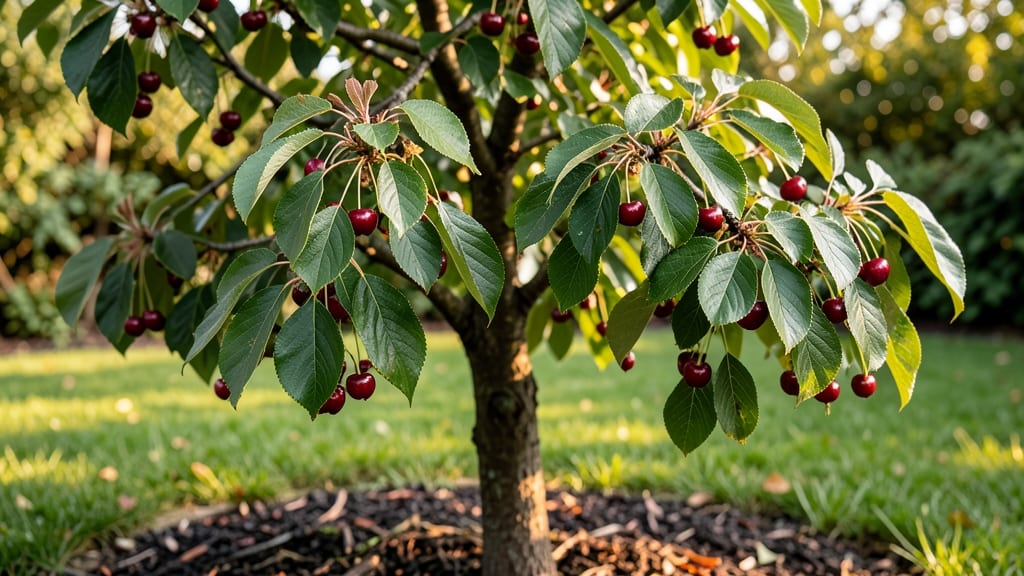
Sour cherry tree leaves don't just feed birds—they're nature's pest repellent. 🌿 I've used them for years to keep aphids and mites off my roses and tomatoes, and the results are shocking: no more sticky leaves or chewed foliage after just one application.
The secret lies in their bitter compounds that deter insects while nourishing the soil.
Start by collecting fresh leaves (dried works too) and either crushing them directly onto plants or brewing a strong tea—simmer a handful in water for 20 minutes, strain, and spray.
The active ingredients work best when applied early morning or late afternoon to avoid leaf burn. For heavy infestations, repeat weekly until pests vanish.
📚 In This Guide
- What you need
- Instructions
- Tips and common mistakes
- Wrapping up and next steps
What you need
- ● Fresh or dried sour cherry tree leaves: 1–2 cups (fresh) or ½ cup (dried) per batch of spray or mulch.
- ● Note: Harvest leaves from organic, pesticide-free trees for best results.
- ● Water: 1 gallon (for sprays) or as needed (for mulch/compost). Use rainwater if possible!
- ● Large pot or bucket (5+ gallons): For steeping leaves (stainless steel or food-grade plastic preferred).
- ● Fine mesh strainer or cheesecloth: To filter out leaf debris.
- ● Spray bottle (16–32 oz) or garden sprayer: For applying leaf-infused solutions.
- ○ Gloves (optional but recommended): Protects hands from sap and potential irritation.
- ● Essential oils (e.g., neem, peppermint, or garlic): 10–15 drops per gallon to boost pest-repelling properties.
- ● Castile soap (liquid, unscented): 1 tbsp per gallon for sticky residue that traps pests.
- ● Compost bin or pile: If using leaves as mulch or compost activator.
- ● Labeling tags: To mark homemade sprays (safety first!)
How to use sour cherry tree leaves for organic pest control
Here’s the method I’ve used for years to keep pests at bay—no chemicals, just nature’s own defense system.
🌿 Step 1: Harvest and Dry the Leaves
Pick mature sour cherry leaves in late spring or early summer when they’re fully developed but before pests have a chance to infest your garden. I always wear gloves—cherry leaves can stain, and the sap isn’t the most pleasant to handle. Choose healthy leaves free of spots or holes, as damaged ones won’t be as effective.
Spread the leaves in a single layer on a screen or mesh tray in a dry, shaded spot. The goal is to dry them thoroughly but preserve their natural oils. Turn them every few hours to ensure even drying. In 5-7 days, they’ll be crisp and brittle—ready to crush or grind. Store the dried leaves in an airtight container away from direct sunlight to keep their potency intact.
✂️ Step 2: Prepare the Pest-Repelling Solution
Crush the dried leaves into a coarse powder using a mortar and pestle or a clean coffee grinder. You’ll need about ½ cup of powder per gallon of water for most garden applications. Pour boiling water over the powder in a heat-safe container, then let it steep for 24 hours. The longer it steeps, the stronger the repellent becomes.
Strain the mixture through a fine-mesh sieve or cheesecloth into a spray bottle. The liquid should be a deep amber color—this indicates the active compounds are fully extracted. Avoid using metal containers, as they can react with the tannins in the leaves. Store the solution in the refrigerator for up to 2 weeks to maintain its effectiveness.
💧 Step 3: Apply to Plants for Protection
Spray the solution directly onto the leaves of your plants, focusing on the undersides where many pests like to hide. Early morning or late evening applications work best to avoid burning the foliage in direct sunlight. Reapply every 7-10 days or after heavy rain, as the solution will wash off. This is especially effective against aphids, Japanese beetles, and spider mites—common pests that sour cherry leaves naturally deter.
For added protection, sprinkle a thin layer of the dried leaf powder around the base of plants. The texture disrupts pests’ movement and releases additional repellent compounds as it breaks down. Avoid overapplying, though—too much can smother young plants or create a barrier that prevents beneficial insects from accessing the soil.
☀️ Step 4: Monitor and Rotate Applications
Keep an eye on your plants for the first few weeks after application. You’ll notice pests like aphids or beetles avoiding treated areas almost immediately, but some may still linger. If you see persistent activity, increase the frequency of applications or combine the sour cherry solution with other organic repellents like neem oil for a stronger defense.
Rotate the plants you treat to prevent pests from adapting. For example, apply the solution to tomatoes one week, then switch to peppers or herbs the next. This keeps pests off-balance and reduces the chance of resistance developing. The sour cherry leaves’ natural compounds are broad-spectrum but not foolproof—consistency is key.
Tips & tricks for perfect sour cherry leaf pest control
Real talk: These natural pest repellents work best when you pay attention to the little details that make all the difference.
Timing is Everything: The 5-7 day drying period in Step 1 is non-negotiable for preserving those potent natural oils. I've learned the hard way—rushing this step means weaker repellent power. Place your drying tray in a spot with good airflow but no direct sunlight to prevent UV degradation of the active compounds.
Equipment Matters: For Step 2, I recommend using a food processor instead of a coffee grinder if you're processing large batches. The blades create a more consistent powder that dissolves better in water. Just be sure to clean it thoroughly afterward—those tannins can stain permanently. Glass or ceramic containers work best for steeping to avoid any metallic reactions with the tannins.
Application Strategy: When applying in Step 3, focus on the undersides of leaves where most pests hide. I've found that adding a few drops of dish soap to your spray bottle helps the solution adhere better to the foliage. Just use a mild, plant-safe soap—regular dish soap can burn plants. The early morning application window is crucial because the solution needs time to dry before the sun intensifies.
Storage Wisdom: After preparing your solution, always store it in the refrigerator to maintain potency. I've noticed the amber color deepens over time—this visual cue tells me the active compounds are becoming more concentrated. For long-term storage, you can freeze the solution in ice cube trays, then transfer to a freezer bag. Thaw individual cubes as needed for spot treatments.
Pro Tips for Sour Cherry Tree Leaves
- Real talk: These natural pest repellents work best when you pay attention to the little details that make all the dif...
- Timing is Everything: The 5-7 day drying period in Step 1 is non-negotiable for preserving those potent natural oils....
- Equipment Matters: For Step 2, I recommend using a food processor instead of a coffee grinder if you're processing la...
Frequently asked questions
Got questions about using sour cherry tree leaves in your garden?
You’re not alone! Here are some of the most common inquiries—and answers—to help you harness their pest-repelling magic with confidence.
Can I use fresh or dried sour cherry leaves for pest control?
Both work, but dried leaves last longer and are easier to store. Fresh leaves release stronger scents immediately, making them great for acute pest problems (like aphids or Japanese beetles). For long-term use, crush and dry them in a dark, airy space for 1–2 weeks. Pro tip: Store dried leaves in breathable bags to preserve potency!
How long do sour cherry leaves take to repel pests?
Effects vary by pest, but you’ll often see results within 24–48 hours for soft-bodied insects (e.g., mites, caterpillars). For stubborn pests like slugs, mulch leaves around plants for continuous deterrence. Reapply every 2–4 weeks or after rain to maintain efficacy.
Are sour cherry leaves safe for edible plants like vegetables or herbs?
Yes! Sour cherry leaves are non-toxic and safe for organic gardens. Their bitter compounds deter pests without harming plants or pollinators. Just avoid direct contact with delicate flowers (like tomatoes) during bloom—mulch around stems instead. Bonus: They won’t alter flavor in nearby crops!
Will sour cherry leaves harm bees or beneficial insects?
Nope! Unlike chemical pesticides, sour cherry leaves are selectively toxic to pests like aphids and beetles but pose no threat to bees, ladybugs, or predatory wasps. Their scent confuses pests without harming pollinators. Pro tip: Apply leaves after bees have finished foraging for the day (late afternoon) for extra safety.
What if rain washes away the leaves before pests are gone?
Rain can dilute their effectiveness, but don’t stress! Replace mulched leaves or reapply a fresh layer within 3–5 days. For heavy downpours, try tea sprays: Steep 1 cup dried leaves in 1 gallon of water, strain, and spray on foliage. Warning: Avoid wetting flowers to protect pollinators.
Can I substitute other fruit tree leaves if I don’t have sour cherries?
Leaves from apple, plum, or peach trees work similarly due to their shared chemical compounds. Even citrus leaves (like lemon or lime) can help repel pests. Alternative tip: Herbs like mint, basil, or rosemary also deter pests—mix them with cherry leaves for a powerhouse combo!
Wrapping up and next steps
Sour cherry tree leaves aren’t just pretty—they’re a game-changer for organic gardens! 🌿 Their natural pest-repelling properties make them a simple, eco-friendly solution to keep unwanted critters at bay.
Whether you’re a seasoned gardener or just starting out, harnessing these leaves is an easy way to protect your plants without harsh chemicals.
Ready to give it a try? Start by gathering a handful of leaves and experimenting in your garden—you’ll be amazed at how effective (and satisfying) this natural trick can be! 🌱