
Landscaping
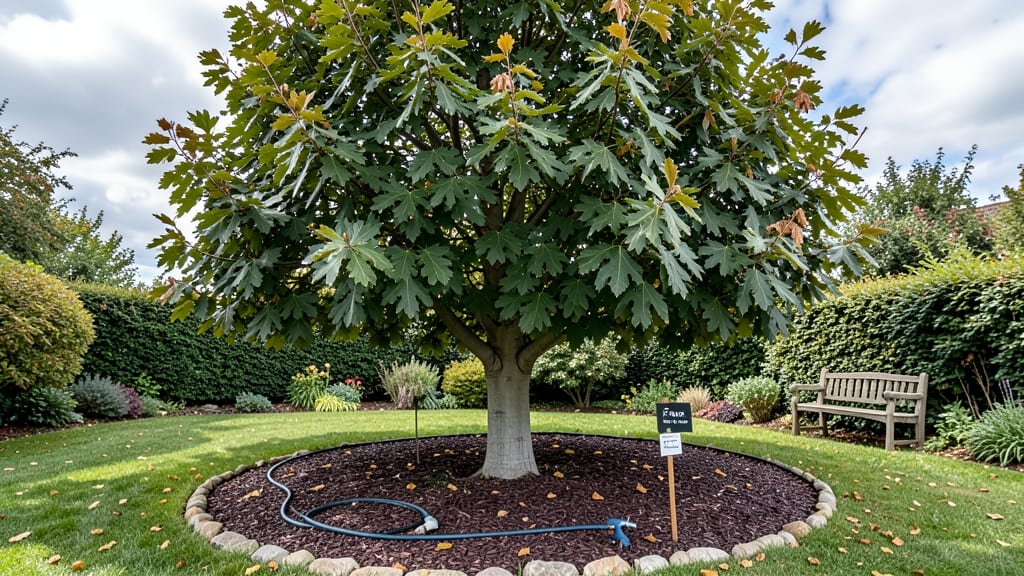
Beech tree landscaping transforms any yard into a dramatic, year-round masterpiece. 🌿 Their coppery fall foliage and smooth silver bark create texture that outshines ordinary evergreens, while the dense canopy offers shade that feels like a secret garden retreat.
I planted mine near the patio, and now the space feels like a tranquil woodland escape—even in winter. The key is placement: position beech trees where they’ll anchor your design without stealing too much sunlight from other plants.
They thrive in well-drained soil and partial shade, making them perfect for transition zones between sun and shade gardens. Pair them with ferns, hostas, or spring bulbs to highlight their seasonal changes.
What you’ll love most is how they age gracefully—young leaves emerge coppery before turning deep green, and the bark peels dramatically in patches, adding character over time. A mature beech tree becomes the centerpiece of any landscape, offering both structure and surprise with every season.
For best results, mulch around the base to retain moisture and protect roots, and prune only to shape young trees. The payoff? A tree that grows with your garden, offering shade, beauty, and that coveted "wow factor" for decades.
📚 In This Guide
- What you need
- Instructions
- Tips and common mistakes
- Wrapping up and next steps
What you need
- ● Beech Tree Saplings: 1–3 (depending on desired spacing; Fagus sylvatica or Fagus grandifolia for best results). Choose 2–3-year-old trees for faster establishment.
- ● High-Quality Soil: 5–10 cubic yards of well-draining, slightly acidic soil (pH 5.0–6.5). Mix in compost (2–3 bags) for nutrients.
- ● Mulch: 2–3 cubic yards of wood chips or pine straw (3–4 inches deep) to retain moisture and suppress weeds.
- ● Fertilizer: Slow-release, balanced fertilizer (10-10-10 or 20-20-20) (1–2 bags) for initial planting.
- ● Tree Stakes & Ties: 2–4 galvanized metal stakes (6 ft tall) and soft tree ties (3–4 per tree) for support.
- ● Shovel & Spade: 1 round-point shovel and 1 flat-edged spade for digging.
- ● Wheelbarrow: 1 (for transporting soil/mulch).
- ● Pruners: 1 pair of bypass pruners (for shaping) and 1 loppers (for thicker branches).
- ● Measuring Tape: 1 (to ensure proper spacing—15–25 ft apart for mature trees).
- ● Watering Hose or Sprinkler: 1 (with adjustable nozzle for deep watering).
- ○ Gloves & Safety Gear: Work gloves, safety goggles, and knee pads (optional but recommended!).
- ● Tree Guards: 2–3 plastic or metal tree wraps to protect young trunks from pests.
- ● Soil Amendments: Gypsum (1–2 bags) if your soil is clay-heavy, or sulfur to adjust pH.
- ● Drip Irrigation System: For low-maintenance watering (especially in dry climates).
- ● Decorative Stones: Landscape rocks (1–2 bags) for pathways or accent borders.
Step-by-Step guide to planting and caring for beech trees
Here's how to create a stunning focal point with these majestic trees that deliver beauty in every season.
🪴 Step 1: Choose the Perfect Planting Location
Beech trees thrive in full sun to partial shade with at least 6 hours of direct sunlight daily. Look for a spot with well-draining soil and protection from strong winds—young trees are particularly vulnerable. I always check the mature height of the variety you're planting (some reach 60-75 feet) to ensure it won't overpower your landscape or nearby structures.
Test the soil pH before planting—beech trees prefer slightly acidic to neutral soil (pH 6.0-7.0). A simple soil test kit from your garden center will tell you if you need to amend with sulfur (to lower pH) or lime (to raise it). Avoid planting near sidewalks or driveways where roots might cause cracking over time.
🌱 Step 2: Dig the Planting Hole and Prepare the Soil
Dig a hole twice as wide as the tree's root ball but only as deep as the container it came in. Loosen the sides of the hole with a shovel to encourage root spread. I like to add a 2-inch layer of compost to the bottom of the hole—this improves drainage and provides nutrients without compacting around the roots.
Mix the native soil you removed with the top 6 inches of topsoil (if available) and a handful of organic matter like composted leaves. This creates a nutrient-rich environment that helps the tree establish quickly. Avoid using garden soil from other areas—it may contain weeds or pathogens.
⏰ Step 3: Plant and Stake for Support
Carefully remove the tree from its container and loosen any circling roots with your fingers. Place it in the hole so the top of the root ball sits 1-2 inches above ground level—this prevents water from pooling around the trunk. Fill the hole with your soil mix, tamping down gently as you go to remove air pockets.
Water thoroughly after planting to settle the soil. Install two stakes on opposite sides of the tree, about 18 inches apart, and attach them with a flexible tie (like tree tie material) to prevent trunk damage. Staking is crucial for the first 1-2 years until the root system stabilizes. Mulch the base with 2-3 inches of wood chips, keeping it 6 inches away from the trunk.
☀️ Step 4: Water and Maintain Through the First Year
Water deeply 2-3 times per week during the first growing season, providing about 10-15 gallons per watering. Check moisture by sticking your finger 2 inches into the soil—if it feels dry, it's time to water. Beech trees are drought-tolerant once established but need consistent moisture when young.
Fertilize lightly in early spring with a balanced 10-10-10 fertilizer (about ½ cup per inch of trunk diameter). Avoid heavy fertilization—beech trees grow slowly and can scorch in rich soil. Prune only to remove dead or crossing branches in late winter or early spring, using clean, sharp tools to prevent disease.
🌿 Step 5: Long-Term Care for Seasonal Beauty
Beech trees are low-maintenance once established, but their stunning foliage requires attention. In fall, their leaves turn brilliant copper or gold—leave them on the tree as long as possible to protect buds and feed the soil. Rake up leaves only after they've fallen completely to avoid smothering the base.
Watch for signs of stress like yellowing leaves or powdery mildew (common in humid climates). If you notice these, improve air circulation by pruning nearby branches and avoid overhead watering. With proper care, your beech tree will become a timeless centerpiece that enhances your landscape for decades.
Tips & tricks for perfect beech tree landscaping
Between us, these majestic trees are worth the extra effort—they pay you back with decades of drama. Here's what nobody tells you about making your beech tree thrive.
Site Selection Secret: That 6-hour sunlight rule is non-negotiable, but here's the thing—morning sun with afternoon shade creates the perfect balance. I've seen trees in full sun develop leaf scorch, while those with filtered afternoon light maintain their rich green color all season. Look for spots where the sun dapples through taller trees in summer afternoons.
Root Ball Rescue: When you're loosening circling roots in Step 3, don't just pull them apart—make small vertical cuts with a clean knife to encourage outward growth. I learned this the hard way after seeing a tree struggle for years with bound roots. The goal is to mimic natural root spread, not just untangle what's there. This one change makes all the difference in establishment.
Mulching Mastery: That 2-3 inch wood chip layer isn't just decoration—it's a moisture regulator and temperature stabilizer. I recommend using hardwood chips rather than softwood (like pine) which can acidify the soil over time. Keep that 6-inch clearance from the trunk sacred—piling mulch against it creates rot-prone conditions. Think of it as creating a donut of protection around your tree.
Watering Wisdom: The 2-3 times per week rule works for average conditions, but here's the real tip: water in the morning so leaves dry quickly, preventing fungal issues. I use a rain gauge to track precipitation—if we get 1 inch of rain, I skip watering that week. And that 2-inch soil moisture check? Press your finger in—if it feels like a dry sponge, it's time to water. Consistent moisture beats occasional deep soakings every time.
Pro Tips for Beech Tree Landscaping
- Between us, these majestic trees are worth the extra effort—they pay you back with decades of drama.
- Site Selection Secret: That 6-hour sunlight rule is non-negotiable, but here's the thing—morning sun with afternoon shade creates the perfect balance.
- Root Ball Rescue: When you're loosening circling roots in Step 3, don't just pull them apart—make small vertical cuts with a clean knife to encourage outward growth.
Frequently asked questions
about beech tree landscaping—because every great garden starts with the right answers!How fast do beech trees grow, and how big will they get?
Beech trees grow at a moderate pace, averaging 12–24 inches per year. Mature American beeches reach 60–80 feet tall with a 40–60-foot spread, while European beeches stay slightly smaller (50–70 feet tall). Plan for long-term space—they’re worth the wait for their stunning foliage!
When is the best time to plant a beech tree?
The ideal window is early spring or fall (September–November or March–April). Avoid planting in summer heat or winter frost, as extreme temps stress young roots. A bare-root or container-grown tree in cool, moist soil gives it the best start.
Why are my beech tree leaves turning brown or falling early?
Brown or prematurely dropping leaves often signal stress from drought, pests (like spider mites), or disease (e.g., beech leaf disease). Water deeply weekly (1–1.5 inches) and mulch to retain moisture. Inspect for bronzing or curled leaves—a sign of pests—and treat with horticultural oil if needed. Fungal issues may require fungicide.
Can I grow beech trees in containers, or do they need to be planted in the ground?
While possible, beech trees thrive best in the ground due to their massive root systems. For containers, choose large, sturdy pots (20+ gallons) with fast-draining soil and repot every 2–3 years. Expect slower growth and smaller size—ideal for patios but not long-term solutions.
Are beech trees low-maintenance, or do they need special care?
Beech trees are relatively low-maintenance but benefit from:
- Annual pruning to remove dead branches and shape growth.
- Mulching (2–4 inches) to protect roots and retain moisture.
- Fertilizing in early spring with balanced, slow-release fertilizer.
- Watch for pests/diseases—early intervention saves headaches!
Wrapping up and next steps
Beech trees bring timeless beauty and low-maintenance drama to any landscape, offering stunning foliage, year-round interest, and a touch of woodland charm. Whether you’re planting a single specimen or designing a full grove, their adaptability and striking bark make them a standout choice for both urban and rural settings.
Ready to transform your outdoor space? Start small—research your local climate, pick the perfect variety, and take the first step toward creating a lush, ever-evolving landscape that turns heads for decades. 🌳✨