
Propagation
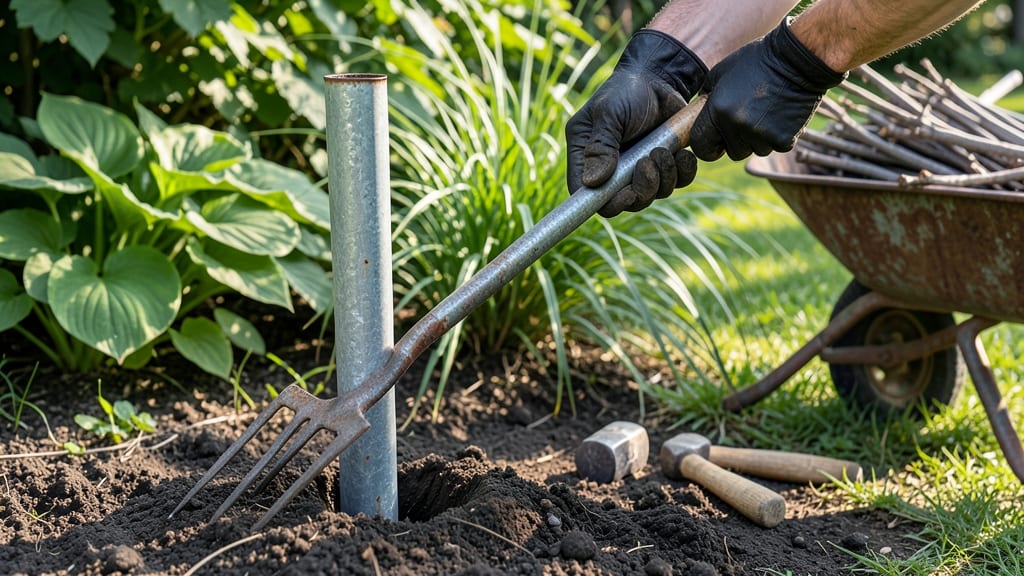
How to remove metal tree stakes from the ground without digging or rusty messes—it’s easier than you think. Buried for years, these stubborn, corroded stakes can feel impossible to budge until you use the right no-dig, rust-proof extraction tricks. I’ve wrestled with bent, rusted stakes that seemed fused to the soil, only to discover the right tools and technique turn them into easy lifts. The key? A pry bar, patience, and knowing when to twist instead of force. No backbreaking digging required.
Start with basic tools: heavy-duty gloves, a sturdy pry bar, and a pair of pliers for bent stakes. If the ground is wet, wait for it to dry slightly—soil holds less when it’s firm. For rusted stakes, a wire brush can help loosen corrosion before prying.
Safety first: check for sharp edges, and if the stake is bent, grip it with pliers to avoid splinters. Most stakes come out in 10-15 minutes with the right approach.
You’ll end up with clean soil, no lingering rust stains, and stakes ready to repurpose or recycle. The trick is working with the soil’s natural resistance—not against it.
A little elbow grease and the right angle make all the difference. Plus, you’ll avoid the frustration of bent tools or torn gloves that comes from brute force.
Whether you’re clearing a garden bed or prepping for new plants, these methods work for any soil type. Next time, consider plastic or biodegradable stakes to skip the hassle entirely. Here’s how to do it right the first time.
📚 In This Guide
- What you need
- Instructions
- Tips and common mistakes
- Wrapping up and next steps
What you need
- ● Heavy-duty gloves (2 pairs): Choose cut-resistant or mechanics-grade gloves (e.g., Mechanix or Tough Outdoors) to protect your hands from sharp edges and rust.
- ● Safety glasses (1 pair): Protect your eyes from debris, rust, or flying particles.
- ○ Knee pads (optional but recommended): If kneeling for extended periods, opt for gel-filled or memory foam pads for comfort.
- ● Metal tree stake puller (1): D-handle stake puller (e.g., blank">Fiskars or blank">Craftsman) for leverage.
- ● Adjustable strap puller (e.g., blank">Bil-Jax) for extra grip on rusted stakes.
- ● Rust converter or penetrating oil (small bottle): Use WD-40 Specialist or CRC Rust Penetrant to loosen rusted stakes.
- ● Shovel or digging bar (1): Flat-head shovel (e.g., blank">Fiskars) for prying.
- ● Digging bar (e.g., blank">True Temper) for stubborn stakes.
- ● Hammer or mallet (1): A rubber mallet (to avoid damaging stakes) or a 16-oz steel hammer for tapping.
- ● Wire brush or sandpaper (medium-grit, 80-120): For cleaning rust off stakes before disposal or reuse.
- ● Heavy-duty trash bags (2-3): For collecting rusted metal debris.
- ● Rope or bungee cord (5-10 ft): To secure the stake puller for extra leverage.
- ● Vise grips or locking pliers (1 pair): For gripping rusted stakes that won’t budge.
- ● Hose with spray nozzle: To rinse off rust and dirt before handling.
- ● Rust-resistant spray paint (e.g., blank">Rust-Oleum): If repurposing stakes for future use.
- ● First-aid kit: Just in case—rusty metal can cause minor cuts!
Step-by-step guide to safely extracting metal tree stakes
Here's how to pull out stubborn metal stakes without damaging roots or leaving rusty remnants behind.
Assess the Stake and Gather Tools
Start by examining the stake—look for rust, bent edges, or soil compaction around it. If the stake is partially buried, you'll need leverage to break its grip on the soil. Grab a pry bar, hose with adjustable nozzle, gloves, and a bucket for debris. I always check for nearby roots first; if you see any wrapped around the stake, proceed with extra caution.
Wet the soil around the stake thoroughly with the hose—this loosens the dirt and makes extraction easier. Focus on the sides where the stake meets the ground, as this is where compaction is strongest. You'll know it's working when the soil starts to pull away slightly from the metal.
Loosen the Stake with a Pry Bar
Position the pry bar at the base of the stake, where it meets the soil, and wedge it firmly between the metal and the dirt. Apply steady pressure downward to create a gap—this breaks the suction between the stake and the ground. If the stake is rusted in place, you may need to rock it gently side to side while prying to dislodge it.
Watch for roots as you work; if you encounter any, stop immediately and use the pry bar to gently lift the root away from the stake rather than forcing the stake out. The goal is to remove the stake without tearing roots or disturbing the tree's stability. If the stake won't budge, repeat the wetting process and try again.
Extract the Stake Cleanly
Once the soil is loosened, grasp the stake firmly with gloved hands and pull upward in a smooth, steady motion. If the stake resists, use the pry bar to lift it at an angle rather than forcing it straight up—this reduces the risk of bending or breaking it. You'll feel a sudden give as the last of the soil releases.
Inspect the hole left behind. If the walls are crumbly, you can leave it as-is, but if they're firm, use your fingers or a small tool to break up the remaining soil. Avoid digging deeply, as you don't want to disturb the tree's root system. A quick spray with the hose will help settle the soil back into place.
Prevent Rust and Future Extraction Challenges
After removing the stake, wipe it down with a damp cloth to remove dirt and debris. If the stake is rusted, you can scrub it with a wire brush or soak it in a vinegar-water solution to clean it before storing or repurposing. This step isn't just about aesthetics—rust left in the soil can leach into the ground and affect nearby plants.
For future plantings, consider using biodegradable stakes or plastic alternatives that won't rust and can be pulled out more easily. If you must reuse metal stakes, coat them with a thin layer of oil or grease before inserting them into the ground to reduce friction and rust buildup. This small step saves time and effort next season.
Dispose of or Store the Stake Properly
If the stake is beyond reuse due to rust or bending, dispose of it in your metal recycling bin. Never leave metal stakes lying around the garden—they can pose a tripping hazard or attract pests. For stakes you plan to reuse, bundle them together with twine and store them in a dry place, like a shed or garage.
Label the bundle with the date to track how long they've been stored; metal left in damp conditions for extended periods will rust faster. A quick inspection before the next planting season ensures they're still in good condition for use. This habit keeps your tools ready and your garden safe.
Tips & tricks for removing stubborn tree stakes
These game-changing tricks will help you extract metal stakes without damaging your trees or leaving rusty messes behind.
Root Protection First: Before you even touch the pry bar, take a moment to carefully inspect the area around the stake. If you spot any roots wrapped tightly around the metal, stop and use the pry bar to gently lift the root away from the stake rather than forcing the stake out. I've learned this the hard way—ripping roots can stress your tree and leave it vulnerable to disease. A little patience here prevents long-term damage to your landscape.
The Wet-Dry-Wet Technique: When you're wetting the soil around the stake in Step 1, don't just give it a quick spray. Soak the area thoroughly for about 5-10 minutes to really break up the soil's grip on the metal. Then let it sit for 5 minutes before attempting to loosen it. This gives the water time to work its way deeper into the soil, making the extraction process significantly easier. Think of it like pre-soaking tough meat—it's all about preparation.
Angle Matters More Than Force: When you're ready to extract the stake in Step 3, resist the urge to pull straight up with all your might. Instead, use the pry bar to lift the stake at a slight angle—this reduces the risk of bending it or tearing roots. I've found that a 15-degree angle works best for most stakes. The key is to feel for that moment when the soil releases rather than fighting against it.
Rust Prevention Hack: After cleaning your stake in Step 4, here's a trick I picked up from gardeners who deal with rust constantly: mix equal parts white vinegar and water in a spray bottle. Spray the cleaned stake thoroughly, then wipe it dry with a clean rag. This creates a temporary protective layer that slows rust formation while you store it. It's a simple step that can extend the life of your stakes significantly.
Pro Tips for Remove Metal Tree Stakes From Ground
- These game-changing tricks will help you extract metal stakes without damaging your trees or leaving rusty messes behind.
- Root Protection First: Before you even touch the pry bar, take a moment to carefully inspect the area around the stake.
- The Wet-Dry-Wet Technique: When you're wetting the soil around the stake in Step 1, don't just give it a quick spray.
Frequently asked questions
Got questions about safely and efficiently removing those stubborn metal tree stakes? You’re not alone! Here are some of the most common concerns—and their solutions—to help you tackle the job like a pro.
Can I remove metal tree stakes without digging?
If the stakes are still intact and not too rusted, you can often lever them out using a pry bar or sturdy crowbar. Insert the tool at an angle near the base and gently rock it back and forth while pulling upward. For deeper stakes, a no-dig extraction technique (like drilling pilot holes or using a stake puller) works wonders without disturbing the soil.
Is it better to remove tree stakes in spring or fall?
The best time depends on your plants and climate. Spring is ideal if you’re transplanting or dividing perennials—roots are active and can recover faster. Fall works well for woody plants (like shrubs or small trees) since they’re entering dormancy. Avoid removing stakes in peak summer heat or deep winter frost, as stressing plants during these times can harm growth.
What if the metal stakes are too rusted to grip?
Rusty stakes can be tricky, but don’t force it! First, try spraying penetrating oil (like WD-40) around the stake to loosen corrosion. For stubborn cases, wrap the top with duct tape or a rubber grip to prevent slippage when prying. If the stake breaks, use bolt cutters or a hacksaw to cut it flush with the ground, then remove the remaining piece with pliers.
Are there eco-friendly alternatives to metal stakes?
Yes! If you’re looking to avoid metal (or future removal headaches), consider biodegradable stakes like bamboo, corn stalks, or even recycled plastic options. For support, try tree ties or soft fabric loops tied to existing structures. Just ensure alternatives are sturdy enough for your plants—some may degrade faster in wet soil.
What should I do if I hit a root or rock while removing stakes?
Stay calm! If you encounter roots, gently tease them away with your hands or a trowel—never force it. For rocks, shift your angle or use a small hand shovel to carefully expose the stake. If roots are deeply entangled, consider cutting the stake at ground level and leaving the rest (if it’s not interfering with future planting). Always prioritize plant health over stake removal!
Wrapping up and next steps
Removing metal tree stakes doesn’t have to be a rusty, backbreaking chore—with the right tools and techniques, you can extract them cleanly and efficiently. Whether you opt for no-dig methods, leverage rust-proofing tricks, or tackle stubborn stakes with patience, the key is working smarter, not harder. 💪
Now that you’re armed with the know-how, grab your gear and take on the task with confidence! Once those stakes are out, consider repurposing them for garden art, donating them, or even recycling them—because every step forward is a step toward a cleaner, more organized garden. Happy digging! 🌱