
Pruning
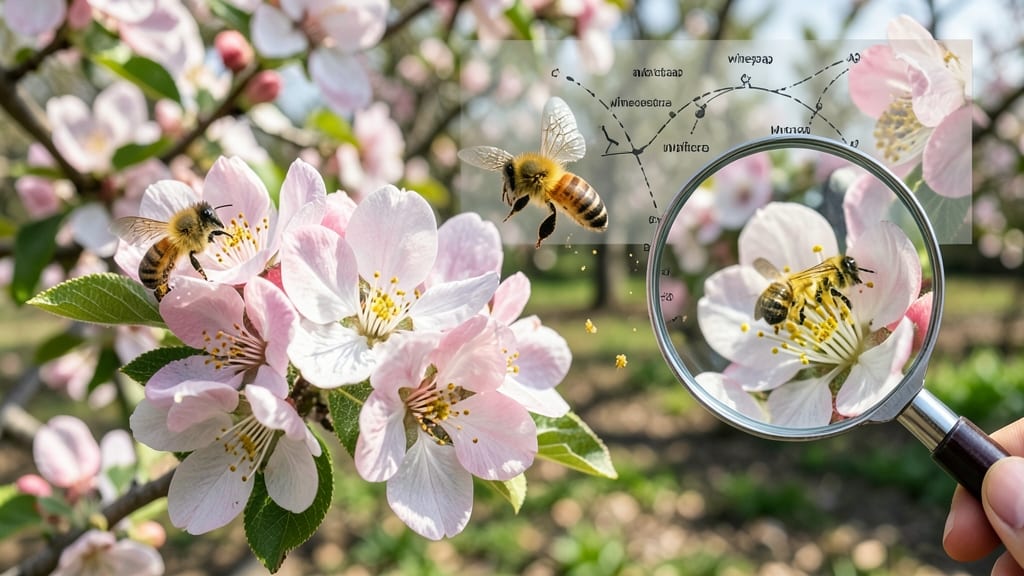
The pollination of a Winesap apple tree is essential for unlocking its full fruit potential, and it requires the right partners and timing to succeed.
Struggling with sparse harvests from your Winesap apple tree? The secret might lie in its pollination needs—this classic variety requires the right partners to produce the sweet, tangy fruit you love.
Unlike some apple varieties, Winesap isn’t self-fertile, meaning it needs another compatible tree nearby to transfer pollen. Without the right cross-pollination, you could end up with fewer apples or even none at all.
In this guide, I’ll walk you through the best pollination partners, the ideal timing for natural pollination, and practical tips to boost your tree’s fruit set—so you can enjoy a bountiful harvest every season.
Understanding Winesap apple tree pollination requirements for optimal fruit production
If your Winesap apple tree isn't producing the abundant harvests you expect, pollination might be the culprit. Unlike some apple varieties, Winesaps are partially self-fertile but thrive with proper cross-pollination. Understanding their pollination biology is key to unlocking that sweet, tangy fruit potential we all love.
The Winesap's bloom period typically occurs in late May to early June, making timing critical for successful pollination. During this window, bees and wind transfer pollen between trees, but environmental factors like temperature and rainfall can dramatically impact fruit set.
Here's why pollination matters: even partially self-fertile trees like Winesaps produce fewer and smaller fruit when pollination is poor. The right partners and conditions can boost your harvest by 30-50%. Let's break down what your Winesap truly needs to thrive.
| Pollination Factor | Winesap Requirement | Impact on Fruit Set |
|---|---|---|
| Self-Fertility Level | Partially self-fertile (~20%) | Poor fruit set without cross-pollination |
| Ideal Bloom Period | Late May - Early June | Critical 7-10 day window for pollination |
| Optimal Pollen Source | Cross-pollination with compatible varieties | 30-50% increase in fruit production |
| Temperature Needs | 50-70°F during bloom | Below 50°F delays pollination; above 85°F reduces bee activity |
| Rainfall Impact | <1 inch per week during bloom | Heavy rain washes away pollen; drought reduces bee activity |
| Wind Requirements | Light breeze (3-7 mph) | Helps pollen transfer but too much dries flowers |
The Winesap's partially self-fertile nature means it can produce some fruit without cross-pollination, but the quality and quantity will suffer. When bees visit flowers from different apple varieties, they carry diverse genetic material, resulting in more robust fruit with better flavor and size.
Timing is everything with Winesap pollination. The 7-10 day bloom window in late May to early June is when your tree is most receptive. During this period, temperatures between 50-70°F create ideal conditions for both bees and wind to transfer pollen effectively.
Extreme weather can disrupt this delicate process. Cold snaps below 50°F delay bloom opening, while heatwaves above 85°F reduce bee activity. Even heavy rainfall can wash away pollen, leaving your flowers unpollinated. Monitoring your local weather forecasts during bloom season helps you prepare for potential challenges.
One common misconception is that all apple trees pollinate equally. However, Winesaps require compatible partners like Golden Delicious or Honeycrisp to maximize fruit set. Planting these varieties within 50 feet creates an optimal pollination ecosystem in your orchard.
For home gardeners with limited space, consider planting two compatible varieties together. This simple strategy can transform your Winesap from a sparse producer to a fruit-bearing powerhouse. The key is selecting partners with overlapping bloom times to ensure continuous pollen transfer.
Even with perfect pollination partners, environmental factors can still interfere. Windbreaks placed strategically can help maintain ideal wind speeds, while bee-friendly plants nearby attract more pollinators. Creating this balanced ecosystem gives your Winesap the best chance for success.
Remember that proper pollination isn't just about quantity—it's about fruit quality too. Well-pollinated Winesaps develop their signature rich red skin and balanced sweet-tart flavor. By understanding these requirements, you're not just increasing your harvest; you're ensuring each apple reaches its full potential.
🌱
Top 5 best cross-pollination partners for Winesap apple trees (with bloom time matching)
If your Winesap apple tree isn't producing as many fruits as you'd like, it might need the right pollination partners. Winesap is only partially self-fertile, meaning it benefits significantly from cross-pollination with compatible varieties.
The key is matching bloom times—typically late May to early June in most regions—to ensure successful fruit set.
Choosing the right partners also depends on flavor compatibility and regional growing success. Some varieties not only improve Winesap's pollination but also enhance your orchard's diversity.
Below, I’ve curated the top 5 apple varieties that pair beautifully with Winesap, based on bloom timing, fruit quality, and garden performance.
When selecting partners, prioritize varieties that bloom within 3-5 days of your Winesap tree.
For example, Golden Delicious and McIntosh align perfectly with Winesap’s late May bloom, while Honeycrisp and Cortland work well if your region runs slightly later. Jonathan, an early bloomer, is ideal for cooler climates where Winesap might bloom later.
Beyond bloom timing, consider tree spacing. Place pollination partners 20-40 feet apart to allow bees and wind to transfer pollen effectively. If space is limited, opt for dwarf varieties like Honeycrisp or McIntosh to keep your orchard compact while maximizing pollination.
Pro tip: Plant bee-friendly flowers like clover or lavender near your apple trees to attract pollinators. This simple step can double your fruit set during peak bloom! 🐝
If you’re in USDA Zones 5-7, all five varieties thrive, but Golden Delicious and Jonathan are the most reliable for northern gardeners. For warmer zones (8-10), Honeycrisp and Cortland handle heat better while still supporting Winesap’s pollination needs. 🌿