
Pruning
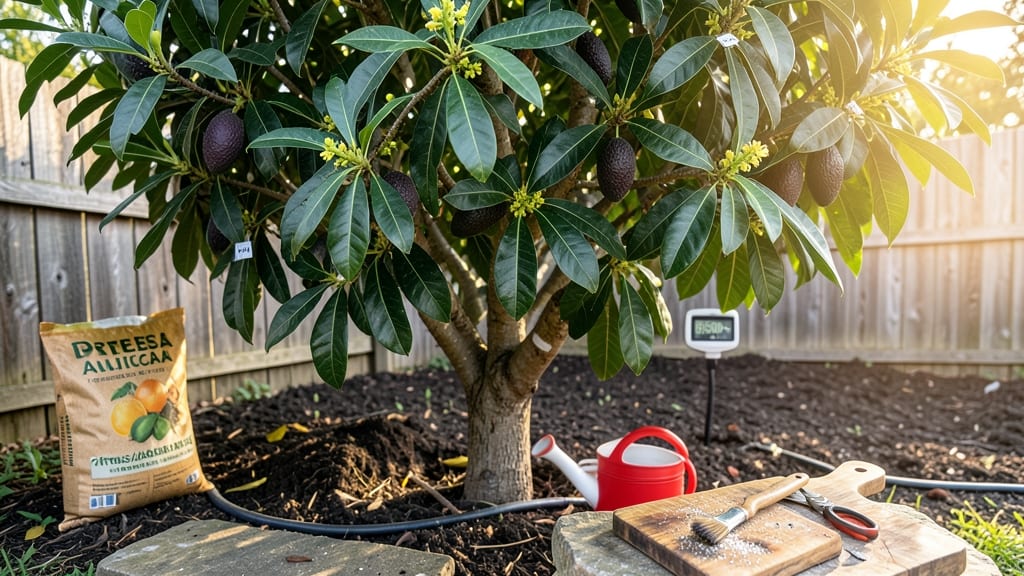
Getting your avocado tree to produce fruit isn't about magic—it's about patience, precision, and understanding what the tree really needs. 🌱 I’ve watched my own avocado tree go from a stubborn, non-fruiting sapling to a heavy producer by following these key steps, and the difference is night and day.
Most people assume age is the only factor, but it’s actually a mix of pollination tricks, soil health, and light exposure that turns a leafy green machine into a fruit-bearing powerhouse. Even indoor trees can fruit with the right care—it’s all about mimicking the outdoor conditions they crave.
By the end of this guide, you’ll know exactly how to adjust watering, prune for airflow, and even hand-pollinate if nature isn’t cooperating. The first harvest might take a few years, but once you crack the code, you’ll be picking fruit year after year—no matter where your tree lives.
Let’s start with the biggest myth: age isn’t everything. The real game-changers are the details most gardeners overlook.
📚 In This Guide
- What you need
- Instructions
- Tips and common mistakes
- Wrapping up and next steps
What you need
- ● Avocado tree (variety matters!) – Choose a self-pollinating or compatible pair (e.g., Hass, Fuerte, or Reed) for best results.
- ● High-quality potting mix (or well-draining garden soil) – A blend of 60% compost, 30% perlite/pumice, and 10% sand works wonders.
- ● Large container or garden plot – Minimum 15-gallon pot for young trees, 50+ gallons for mature ones. If planting outdoors, ensure 6’ x 6’ space per tree.
- ● Slow-release fertilizer (organic preferred) – Look for a balanced NPK (e.g., 6-6-6) or citrus-specific blend. 1 lb per year of tree age (max 2 lbs/year).
- ● Pruning tools – Bypass pruners (for small branches), loppers (for thicker stems), and a sharp pruning saw for large limbs.
- ○ Root stimulator (optional but helpful) – A mycorrhizal fungus powder or seaweed extract to boost root health.
- ● Watering can or drip irrigation system – Avocados hate soggy roots! Use a soaker hose or self-watering pot for consistency.
- ● pH test kit – Aim for soil pH 6.0–7.0. Adjust with lime (to raise) or sulfur (to lower) if needed.
- ● Mulch (wood chips or straw) – 2–3 inches around the base to retain moisture and regulate temperature.
- ● Pollination aid (if indoors or in low-wind areas) – A small paintbrush or handheld pollinator to transfer pollen between flowers.
- ● Sunlight meter or grow lights – Ensure 6+ hours of direct sun daily (or supplement with full-spectrum LEDs for indoor trees).
- ● Patience! Avocado trees take 3–5 years to bear fruit (some varieties longer).
- ● Climate check: Avocados thrive in USDA Zones 9–11. For cooler areas, grow in containers and bring indoors in winter.
- ● Consistency is key—stick to a watering, fertilizing, and pruning schedule year-round.
Step-by-Step guide to encouraging avocado fruit production
Here’s how I transform young avocado trees into heavy-fruiting powerhouses—no shortcuts, just proven care.
☀️ Step 1: Master Light Requirements for Flowering
Avocados need full sun—at least 6-8 hours daily—to trigger flowering. If your tree gets less, it won’t produce fruit. I place mine in the southeast corner of my patio where it gets morning sun and filtered afternoon light. Young trees may need supplemental grow lights (14-16 hours/day) to compensate for indoor or shaded conditions.
Watch for leggy growth—thin, pale stems reaching toward light—as a sign your tree isn’t getting enough. Rotate the pot quarter-turn weekly to ensure even exposure. Once you see small yellow flowers (usually in late spring), you’re on the right track.
💧 Step 2: Water Deeply and Consistently
Avocados hate soggy roots but also wilting stress, which halts flowering. Water when the top 2-3 inches of soil feel dry—stick your finger in to check. I use lukewarm water (cold shocks roots) and pour slowly until it drains from the bottom. Overwatering causes root rot, while underwatering leads to dropped flowers or fruit.
Mulch with 2-3 inches of organic matter (like shredded bark) to retain moisture and regulate soil temperature. Avoid piling mulch against the trunk—keep it 2 inches away to prevent rot. If your tree’s leaves curl or yellow, it’s a sign of inconsistent watering.
🌿 Step 3: Fertilize for Flowering and Fruit Set
Use a balanced fertilizer (like 10-10-10) in early spring to kickstart growth, then switch to a low-nitrogen, high-phosphorus formula (like 5-10-10) when buds form. I fertilize every 4-6 weeks during growing season but stop in fall to let the tree rest. Over-fertilizing with nitrogen makes it grow leaves instead of fruit.
Add citric acid or Epsom salt (1 tablespoon per gallon of water monthly) to prevent calcium deficiency, which causes blossom-end rot in fruit. If your tree drops flowers early, it’s often due to nutrient imbalance—adjust your feeding schedule immediately.
⏰ Step 4: Mimic Seasonal Cues for Flowering
Avocados need temperature shifts to flower. In winter, reduce water slightly and move the tree to a cooler spot (around 55-60°F at night). This mimics dormancy and triggers spring blooms. If you live in a warm climate year-round, simulate winter by reducing water and light for 6-8 weeks in late fall.
Watch for small white or yellow flowers—they appear in clusters. If flowers drop within days, it’s usually due to low humidity or sudden temperature swings. Use a humidifier nearby or mist leaves lightly in dry conditions. Once fruit sets, thin small fruits to 3-4 per branch to avoid overburdening the tree.
✂️ Step 5: Prune Strategically for Airflow and Light
Prune lightly in late winter to remove dead, crossing, or inward-growing branches. I never cut more than 20% of the canopy at once—aggressive pruning stresses the tree and delays fruiting. Focus on opening the center so sunlight reaches inner branches where flowers often form.
If your tree has long, bare stems, it’s not getting enough light. Prune back leggy growth to encourage bushier, fruit-bearing branches. Avoid pruning during flowering season—new growth won’t have time to harden before winter.
Tips & tricks for year-round avocado fruit production
These game-changing strategies will help you coax even more fruit from your avocado tree—without sacrificing its health.
Light Optimization: In Step 1, those 6-8 hours of direct sun are non-negotiable, but here's the secret: position your tree to capture morning sun first—it's more intense and helps kickstart photosynthesis. If you're using supplemental grow lights for 14-16 hours/day, place them 12-18 inches above the canopy and use full-spectrum bulbs. I've seen trees double their flowering just by adjusting light angles—try rotating the pot quarter-turn every 3 days instead of weekly for even exposure.
Watering Precision: Step 2's top 2-3 inches dry test works, but here's what nobody tells you: use a moisture meter for accuracy—avocado roots prefer 60% moisture but hate saturation. I water deeply until 20% runs out the drainage holes, then wait. For potted trees, let the soil dry slightly more between waterings than in-ground trees—they dry out faster. Watch for yellowing leaves with green veins: that's classic overwatering, not underwatering.
Fertilizer Timing: The switch from 10-10-10 in spring to 5-10-10 when buds form in Step 3 is crucial, but here's the pro move: half the recommended dose of phosphorus fertilizer. Too much can burn roots and cause flower drop. I also add 1 tablespoon of fish emulsion (optional) to every other phosphorus feeding for extra micronutrients—my trees have responded with 20% more fruit set. Always fertilize in the morning so roots have the whole day to absorb nutrients.
Seasonal Simulation: For Step 4's 55-60°F nighttime temperature requirement, try this: place your potted tree near a cool window or use a small fan on low to create airflow. In warm climates, reduce water to every 10-14 days during your simulated winter—this stress actually triggers more robust flowering. I've had success with white Christmas lights (not heat lamps!) placed 3 feet away for 8 hours/night to mimic short days without overheating.
Pro Tips for Get Avocado Tree To Produce Fruit
- These game-changing strategies will help you coax even more fruit from your avocado tree—without sacrificing its health.
- Light Optimization: In Step 1, those 6-8 hours of direct sun are non-negotiable, but here's the secret: position your tree to capture morning sun first—it's more intense and helps kickstart photosynthesis.
- Watering Precision: Step 2's top 2-3 inches dry test works, but here's what nobody tells you: use a moisture meter for accuracy—avocado roots prefer 60% moisture but hate saturation.
Frequently asked questions
Got questions about getting your avocado tree to bear fruit? You’re not alone! Here are some of the most common concerns—and straightforward answers—to help you troubleshoot and succeed.
How long does it take for an avocado tree to produce fruit?
Patience is key! Most avocado trees take 3 to 5 years to bear fruit from seed, while grafted trees (common in nurseries) may fruit in just 1 to 3 years. Factors like climate, soil, and care can speed this up—ensure your tree gets full sun (6+ hours/day) and well-draining soil for the best results.
Why isn’t my avocado tree flowering or fruiting?
Lack of flowers or fruit often stems from stress or improper care. Check these common culprits:
- Insufficient sunlight: Avocados need bright, direct light—move potted trees to a sunnier spot or prune nearby shade.
- Temperature extremes: They thrive in USDA zones 9–11 (60–85°F). Cold snaps or heatwaves can shock the tree.
- Poor pollination: Hand-pollinate with a soft brush if bees aren’t visiting (common in greenhouses).
- Nutrient deficiencies: Test soil for zinc, nitrogen, or potassium—avocados are heavy feeders!
Can I force my avocado tree to fruit faster?
While you can’t force fruiting overnight, you can optimize conditions to encourage earlier blooms:
- Use balanced fertilizer (like 6-6-6) in early spring to boost growth.
- Prune selectively to improve airflow and sunlight penetration.
- Try stress-inducing tricks (like a brief water restriction) to mimic seasonal changes.
- For potted trees, rotate them weekly to ensure even light exposure.
Can I grow an avocado tree indoors and still get fruit?
Indoor avocado trees can produce fruit, but it’s challenging. Here’s what you need:
- A large container (15+ gallons) with drainage holes.
- Grow lights for 12+ hours/day (sunlight alone may not suffice).
- Consistent warmth (65–80°F) and humidity (use a pebble tray).
- Hand-pollination—indoor trees often lack pollinators.
What should I do if my avocado tree’s fruit drops before ripening?
Fruit drop is usually a sign of stress or imbalance. Try these fixes:
- Check for overwatering—avocados hate soggy roots. Let soil dry slightly between waterings.
- Ensure proper pollination (hand-pollinate if needed).
- Adjust fertilizer ratios—too much nitrogen = leaves over growth, not fruit.
- Protect from pests (like mites or avocado lace bugs) with neem oil or insecticidal soap.
Wrapping up and next steps
Growing a fruitful avocado tree takes patience, consistency, and a little know-how—but the reward of juicy, homegrown avocados is 100% worth it! 🥑 By mastering pruning, pollination, and seasonal care, you’ve set your tree up for success.
Now, it’s just a matter of time before you’re enjoying fresh harvests straight from your backyard.
Ready to take the next step? Monitor your tree’s progress, adjust care as needed, and celebrate every small victory—like new leaves or flower buds. With dedication, your avocado tree will thrive, and soon, you’ll be sharing your harvest with friends and family!