
Pests
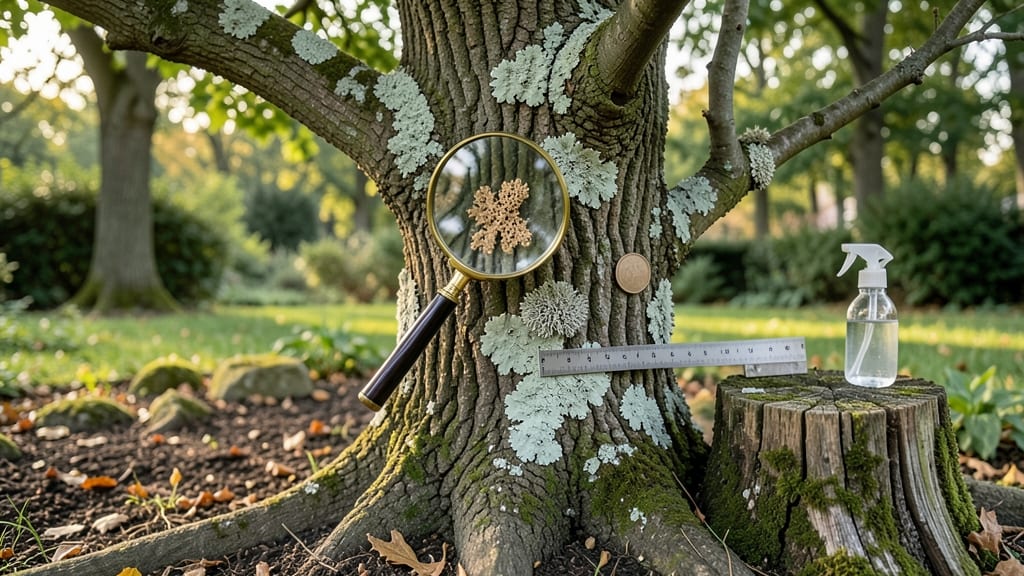
That chalky white stuff on your tree branches isn’t just dirt—it’s a fungal warning sign that could weaken your trees if ignored. 🌳 I’ve seen powdery mildew, sooty mold, and even lichen turn healthy trees into sad, struggling shadows, but the good news?
You can tackle it in 3 simple steps without harsh chemicals.
The culprits vary: powdery mildew looks like flour dust, sooty mold is sticky and blackened, while lichen is crusty and harmless. Most appear when trees are stressed—too much shade, poor air circulation, or overwatering.
The key is identifying which one you’re dealing with before treating it, because what works for mildew might harm lichen.
Once you know what you’re up against, removal is straightforward. Scrub off mildew with a neem oil spray, hose down sooty mold, and leave lichen alone (it’s nature’s air purifier!).
Prevent future outbreaks by spacing trees properly, pruning for airflow, and avoiding overhead watering—your trees will thank you with vibrant green leaves by next season.
If the white stuff keeps coming back or covers large areas, it’s time to call an arborist. Some fungal issues signal deeper problems like root rot or pest infestations that need professional care.
But for most cases, a little elbow grease and the right approach keeps your trees strong and healthy for years.
Root Causes of Tree Branch Discoloration
When you spot that mysterious white stuff coating your tree branches, it’s rarely just a random coincidence—it’s a biological signal. Understanding the why behind it is the first step to addressing it effectively.
Below, we break down the most common culprits, from fungal infections to environmental factors, with clear explanations of how they manifest and why they occur.
Fungal growth is the most frequent cause of white, fluffy deposits on tree branches. These spores thrive in moist, shaded conditions and can appear as powdery mildew, lichen, or even mold. Here’s how it happens:
- Powdery Mildew: A type of fungus that spreads via wind or splashing water. It forms a white, talcum-powder-like layer on leaves and branches, blocking sunlight and weakening the tree’s ability to photosynthesize. Common in late spring or summer when humidity is high.
- Lichen: Not a single organism but a symbiotic relationship between fungi and algae or cyanobacteria. The white, crusty, or hair-like growth you see is the fungus providing structure while the algae feed it nutrients via photosynthesis. It’s harmless to the tree but can indicate poor air quality or high humidity.
- Mold (e.g., Alternaria or Cladosporium): Thrives on decaying organic matter, like fallen leaves or bark. If your tree has wounds or dead branches, mold spores latch on, creating a fuzzy white or gray coating. Often seen in wet autumns or after storms.
Why it spreads: Fungi reproduce via spores, which are lightweight and travel easily. Once they land on a suitable surface (like damp bark or leaves), they germinate within 24–48 hours under ideal conditions (60–80°F and high humidity).
Some white deposits aren’t fungal at all—they’re insect byproducts. Tiny pests like aphids, scale insects, or mealybugs feed on tree sap, excreting a sticky, sugary substance called honeydew.
This honeydew then attracts sooty mold, a black or dark gray fungus that grows on the sticky residue, creating a white-to-grayish crust over time.
- How it starts:
- Insects (often aphids) pierce the tree’s bark or leaves to suck sap.
- They excrete honeydew, a clear, syrupy liquid that hardens and turns white or gray as mold colonizes it.
- Sooty mold thrives in these sticky patches, giving branches a fuzzy, dusty appearance.
- Signs to watch for:
- Sticky residue on leaves or car surfaces parked near the tree.
- Visible insects (tiny, oval, or cotton-like clusters) on branches.
- Yellowing or curled leaves, a sign of stress from sap loss.
Why it’s dangerous: While sooty mold itself doesn’t harm the tree, the underlying insect infestation weakens it by reducing photosynthesis. Left unchecked, this can lead to leaf drop, stunted growth, or even tree death in severe cases.
Not all white deposits are biological. Sometimes, they’re a direct result of environmental conditions, particularly in urban or polluted areas. Here’s how:
- Air Pollution (e.g., Sulfur Dioxide or Nitrogen Oxides):
- Industrial emissions or vehicle exhaust can react with tree bark, creating a white, chalky residue (similar to gypsum deposits).
- Common in cities near factories, highways, or power plants.
- Often accompanied by leaf discoloration or premature leaf fall.
- Mineral Deposits (e.g., Lime or Salt):
- If your tree is near a road treated with de-icing salt or a soil with high calcium content, white crystalline deposits may form on branches.
- These are harmless but unsightly, acting like a thin, powdery coating.
- High Humidity + Poor Airflow:
- Trees in shady, enclosed spaces (like dense forests or urban canyons) retain moisture longer, encouraging lichen or mold growth.
- Evergreens, in particular, struggle to dry out, making them prime targets for fungal spores.
Actionable insight: If the white stuff appears uniformly thin, dry, and non-fuzzy, it’s more likely environmental. However, if it’s fluffy, spreads quickly, or appears in patches, biological causes (fungi or insects) are the culprit.
A stressed or injured tree is far more susceptible to white deposits, whether fungal, insect-related, or environmental. Common stressors include:
- Poor Nutrition: Trees lacking nitrogen, phosphorus, or micronutrients have thinner bark and weaker defenses against pathogens.
- Physical Damage: Broken branches, deep wounds, or girdling roots create entry points for fungi and insects.
- Drought or Overwatering: Both extremes disrupt the tree’s natural defenses, making it easier for spores to take hold.
- Competition for Resources: Overcrowded trees (e.g., in a forest or tight urban planting) compete for sunlight and water, weakening their immune response.
Pro tip:💡 If your tree is already struggling with yellowing leaves, sparse foliage, or dead branches, address these issues first. A healthy tree is far less likely to develop persistent white deposits.
Quick Fixes for Branches Covered
If you’ve spotted that mysterious white stuff on your tree branches, don’t panic—most cases are treatable with the right approach. The solution depends on the cause, so let’s tackle each one step by step.
Below, you’ll find targeted fixes for fungal growth, insect infestations, and environmental buildup, along with tips to keep your trees healthy long-term.
Fungi like powdery mildew, lichen, or even tree rust can turn branches into a white, fuzzy mess. Here’s how to clean it up safely:
🔥 Step 1: Identify the Fungus
- Powdery mildew appears as a white, powdery coating (often on leaves and stems).
- Lichen looks crusty or leafy and is usually harmless but unsightly.
- Tree rust may show orange or yellow spots beneath the white layer.
If you’re unsure, snap a photo and compare it to online guides or consult a local arborist.
🍳 Step 2: Prune Infected Branches
- Use sterilized pruning shears (wipe with rubbing alcohol between cuts) to remove heavily infected branches.
- Cut 6 inches below the white growth to prevent reinfection.
- Pro tip: Dispose of infected branches in the trash (not compost)—fungi can spread via yard waste! 🗑️
👨🍳 Step 3: Apply Fungicide (If Needed)
- For powdery mildew or rust, spray branches with a copper-based fungicide (like Bonide Copper Fungicide) or a baking soda solution (1 tbsp baking soda + 1 gallon water + a drop of dish soap).
- For lichen, a simple water blast (from a hose) or scrubbing with a soft brush often works—it’s usually non-parasitic.
- Pro tip: Apply fungicide in the early morning or evening to avoid burning leaves in direct sunlight. ☀️
🌡️ Step 4: Improve Airflow & Light
- Thin out dense foliage to reduce humidity (fungi love damp, shaded areas).
- Water trees at the base (not overhead) to keep branches dry.
If the white stuff is sticky, waxy, or moving, you might be dealing with sap-sucking insects like mealybugs or scale. Here’s how to evict them:
🔪 Step 1: Blast Off the Pests
- Use a strong stream of water to dislodge insects from branches.
- For stubborn cases, mix 1 tsp dish soap + 1 quart water in a spray bottle and apply directly to infested areas.
- Pro tip: Repeat every 5–7 days until the white residue disappears. 🕒
🎯 Step 2: Introduce Beneficial Predators
- Ladybugs, lacewings, and parasitic wasps eat mealybugs and scale. Buy them online or from garden centers.
- Plant neighboring flowers like marigolds or dill to attract these natural allies. 🌼
✨ Step 3: Use Horticultural Oil (For Heavy Infestations)
- Apply horticultural oil (like Safer Brand 3-in-1 Oil) in late fall or early spring when trees are dormant.
- Warning: Avoid spraying on hot days—it can burn leaves! 🌡️
Sometimes, the "white stuff" is just dust, pollen, or salt spray from nearby roads or de-icing treatments. Here’s how to clean it:
🚿 Step 1: Gentle Washing
- Use a soft brush or cloth dipped in soapy water to wipe branches.
- For large trees, attach a brush to a long pole and scrub gently.
- Pro tip: Avoid high-pressure washers—they can damage bark! 💦
🌧️ Step 2: Rainwater Rinse
- Let a natural rain shower do the work—it’ll wash away dust and pollen naturally.
- If your area gets little rain, set up a sprinkler on a gentle setting for 10–15 minutes.
🧼 Step 3: Prevent Future Buildup
- Trim branches that hang over roads or driveways to reduce salt exposure.
- Install a tree guard (like burlap or mesh) to shield branches from dust and pollution.
Once you’ve tackled the white stuff, follow these habits to prevent it from returning:
- Prune regularly to improve airflow and sunlight penetration. ✂️
- Water at the base (not overhead) to keep branches dry. 💧
- Fertilize properly—over-fertilizing can stress trees and attract pests. 🌱
- Inspect trees seasonally (spring and fall) for early signs of fungi or insects. 🔍
- Avoid wounding bark—use proper pruning techniques to prevent fungal entry points. 🛡️
With these steps, your tree branches should stay clean, healthy, and pest-free for years to come! 🌳💚
Frequently asked questions
Is white stuff on tree branches always harmful?
Not always! Lichen is completely harmless and even acts as a natural air purifier. However, powdery mildew, sooty mold, and fungal growth can weaken trees over time by blocking sunlight or spreading infections. Always check for signs of stress like yellowing leaves or sticky residue before treating.
How do I tell if it's mold or just dust?
Run your finger gently over the white substance—mold feels fuzzy or slightly sticky, while dust wipes away easily. If it leaves a white film on your skin or grows back quickly, it's likely fungal. Dust buildup usually appears thin and dry, especially in urban areas near roads.
Can I use household cleaners to remove white stuff from branches?
Stick to mild solutions like soapy water or a baking soda spray (1 tbsp baking soda + 1 gallon water). Avoid bleach or harsh chemicals—they can damage bark and harm beneficial insects. For stubborn cases, a soft brush and water work best for environmental deposits like salt or pollen.
Why does my tree keep getting white stuff even after treatment?
Recurring issues often mean underlying problems: poor airflow, overwatering, or pest reinfestation. Improve spacing between trees, water at the base (not overhead), and check for hidden insects. If the problem persists, consult an arborist—it could signal deeper stress like root rot.
Is it safe to prune branches with white growth?
Yes, but sterilize your tools first with rubbing alcohol to prevent spreading spores. Cut 6 inches below the white area and dispose of infected branches in the trash (not compost). For large trees, consider hiring a professional to avoid damaging the tree further.