
Pests and Diseases
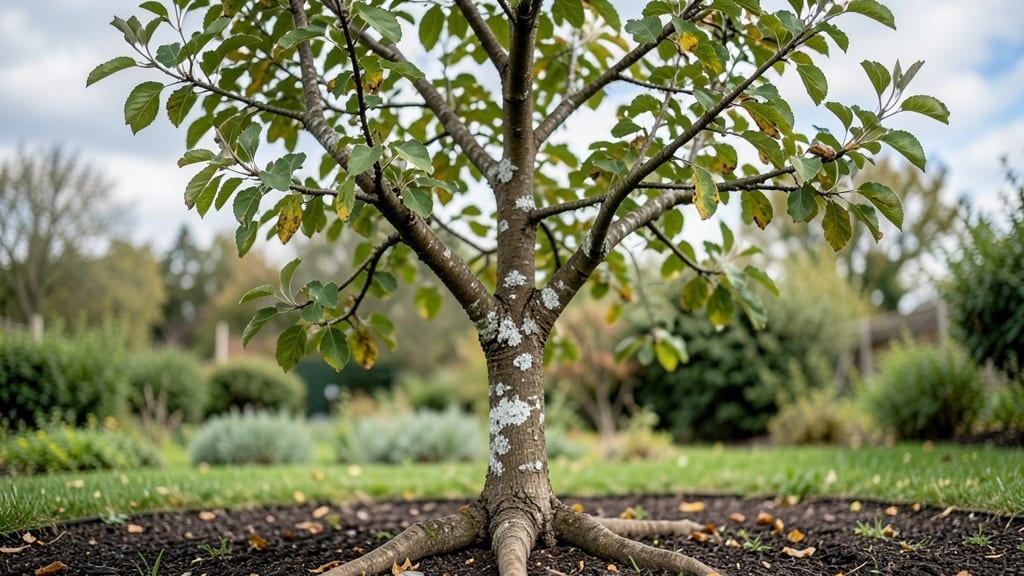
Your apple tree’s bark is covered in white fungus, and that fuzzy growth isn’t just unsightly—it could signal a serious problem. 🌿 I’ve seen lichen, powdery mildew, and even bark-dwelling mold turn a healthy tree into a weak one, but the good news is most cases are treatable without harsh chemicals.
The first step? Figuring out exactly what you’re dealing with before jumping into fixes.
Lichen looks like crusty white patches that don’t scrape off easily, while powdery mildew appears as a dusty white coating on leaves and bark. Mold might look slimy or fuzzy, especially in damp, shaded spots.
The real culprit? Too much moisture, poor airflow, or old wounds on the bark. Scraping it off can damage the tree, so we’ll focus on safer methods that protect your tree while removing the fungus.
Once you’ve identified it, you can tackle it with organic solutions like a neem oil spray or baking soda mixture, both of which break down fungal growth without harming the tree. Pruning nearby branches to improve airflow and cleaning tools between cuts will also stop the spread.
If the fungus keeps coming back or the tree looks stressed, it’s time to call in an arborist.
Don’t let this white growth turn into a bigger issue—most cases clear up within a few weeks with the right approach. The key is acting fast, using gentle methods, and keeping an eye on your tree’s health. Your apple harvest depends on it.
Root Causes of Bark Fungus
When you spot that unsettling white fungus creeping up your apple tree’s bark, it’s rarely just a random bad luck scenario. Instead, it’s usually a mix of environmental stress, poor tree health, and opportunistic pathogens taking advantage of weak spots.
Let’s break down the key triggers behind this issue, so you can address the real culprits—not just the symptoms.
Fungi thrive in damp, stagnant environments, and apple trees are no exception. When bark stays consistently wet—whether from heavy rain, poor drainage, or overhead irrigation—it creates the perfect breeding ground for fungal spores like Nectria or Botryosphaeria.
These pathogens latch onto the bark’s moisture, forming white, fuzzy mats that can eventually crack and kill underlying tissues.
Why it happens:
- Prolonged moisture softens the bark, making it easier for fungal hyphae (thread-like structures) to penetrate.
- Poor air circulation around the trunk (common in dense plantings or thick mulch piles) traps humidity against the bark.
- Winter frost or spring rains can keep bark damp for weeks, giving fungi a head start.
Actionable clue: If your tree is in a low-lying area or shaded by other plants, it’s likely staying wet longer than ideal. Check for: Dark, waterlogged soil at the base or bark that feels soggy to the touch.
A healthy apple tree’s bark has natural barriers—like waxy cuticles and beneficial microbes—that repel fungal invaders. But when the tree is stressed, these defenses weaken, leaving it vulnerable. Common stressors include:
- Nutrient deficiencies (e.g., low nitrogen or potassium)
- Physical damage (e.g., pruning wounds, animal scratches, or hail marks)
- Root issues (e.g., compacted soil, girdling roots, or root rot)
- Pest attacks (e.g., borers or aphids that create entry points)
Why it happens: Fungi like Stereum (a white, shelf-like fungus) often colonize trees that are already compromised. The tree’s immune system, weakened by stress, can’t produce enough phenolic compounds (natural fungicides) to fight off the infection.
Actionable clue: Look for other signs of stress, like yellowing leaves, stunted growth, or oozing sap near the fungus. If the tree is struggling, it’s already a prime target.
Every time you prune an apple tree—or even if wildlife (like deer or rabbits) gnaws on the bark—you create open wounds. If these cuts aren’t properly healed or sanitized, fungal spores can sneak in and establish colonies. White fungus often appears first near pruning scars or cracked bark.
Why it happens:
- Improper pruning tools (dull shears or contaminated saws) can crush bark and introduce spores.
- Large, jagged cuts take longer to seal, leaving gaps for fungi to invade.
- Lack of wound dressing (like pruning sealant) in the first 24–48 hours after cutting.
Actionable clue: Inspect the tree for recent cuts or peeling bark near the fungal growth. If the white patches radiate outward from a wound, pruning practices are likely the culprit.
Fungal spores are often dormant until conditions become favorable. For apple tree bark fungi, this usually happens during:
- Spring warmth (50–70°F), when rain and mild temps activate spores.
- Fall humidity, as cooling nights and warm days create ideal dew conditions.
Why it happens: Many bark fungi, like Valsa (the cause of apple canker), produce spores in pycnidia (tiny fungal fruiting bodies) that erupt when temperatures rise. If your area has frequent rain followed by warm days, you’re in the danger zone.
Actionable clue: Note if the fungus appears after a specific weather pattern, like a week of rain followed by sunshine. This is a red flag for seasonal fungal outbreaks.
Pro Tip: 💡 Combine these clues to pinpoint the cause. For example, if your tree is in a wet spot (moisture) with old pruning wounds (physical stress) and it’s springtime (seasonal trigger), you’ve got a high-risk scenario. Addressing all three factors is key to stopping the spread.
How to Treat and Prevent Fungal Bark Issues
Fungal growth on apple tree bark—like that pesky white fungus—can be frustrating, but the good news is that most cases are treatable with the right approach. Below, we’ll break down practical solutions based on the most likely causes, from quick fixes to long-term prevention.
Think of this as your step-by-step guide to saving your tree and keeping it healthy for years to come!
(If the white growth is soft, powdery, or moss-like and doesn’t harm the tree directly.)
🔥 How to Remove It
- Gently Scrape It Off
- Use a plastic scraper, soft-bristle brush, or even a damp cloth to avoid damaging the bark.
- Work in small sections to prevent tearing the tree’s skin.
- Apply a Fungicide (Optional but Helpful)
- Spray with a copper-based fungicide (like Bordeaux mixture) or a baking soda solution (1 tbsp baking soda + 1 gallon water + a drop of dish soap) to discourage regrowth.
- Improve Airflow & Light
- Trim nearby branches or overgrown shrubs to let sunlight and air circulate better around the trunk.
💡 Prevention Tips
- Prune regularly to reduce dense foliage that traps moisture.
- Water at the base (not overhead) to keep the bark dry.
- Avoid mulch piles touching the trunk—keep it 6+ inches away.
(If the growth is fluffy, white, and spreads quickly—often linked to humidity or poor tree health.)
🍳 How to Treat It
- Prune Infected Areas Immediately
- Cut off heavily infected branches with sterilized pruners (wipe with rubbing alcohol between cuts).
- Dispose of clippings in the trash (not compost) to stop spores from spreading.
- Spray with a Fungicide
- Neem oil (natural, organic option) or sulfur-based fungicides (like sulfur dust) work well.
- Mix 1 tsp neem oil + 1 tsp mild soap + 1 quart water, then spray both the bark and leaves (early morning or evening to avoid burning foliage).
- Boost Tree Health
- Fertilize with a balanced, slow-release fertilizer (like 10-10-10) to strengthen the tree’s defenses.
- Water deeply but infrequently—apple trees hate soggy roots!
🌡️ Prevention Tips
- Space trees properly (15–20 ft apart) for better airflow.
- Avoid overhead watering—use drip irrigation instead.
- Clean up fallen leaves (they harbor spores) and sterilize tools after pruning.
(If the white fungus appears near cracks, peeling bark, or fresh cuts—fungi love weak spots!)
👨🍳 How to Fix Damaged Bark
- Smooth Rough Spots
- Sand down peeling or rough bark with fine-grit sandpaper to remove debris.
- If the bark is peeling in large sheets, apply tree wound dressing (like Tanglefoot Tree Wound Pruning Sealer) to protect exposed wood.
- Apply a Protective Fungicide
- Brush on a copper fungicide or benomyl-based treatment (like Bonide Fung-onil) to seal the area.
- Monitor for Pests
- Check for borers or beetles—they weaken trees and make them fungus magnets. Use pesticide bait stations if needed.
✨ Prevention Tips
- Avoid girdling (removing bark rings) when pruning—cut at a 45-degree angle just outside the branch collar.
- Seal fresh cuts with pruning paint (optional but helpful for large wounds).
- Keep the tree hydrated—stressed trees heal slower.
If the fungus is spreading rapidly or the tree looks weak/leggy, act fast:
- Isolate the tree (if possible) to prevent spores from jumping to other plants.
- Apply a systemic fungicide (like Myclobutanil) for deep-rooted protection.
- Consult a local arborist if the tree is a prized variety—some cases need professional treatment.
- Inspect monthly—catch early signs before they spread.
- Maintain tree health—water, fertilize, and prune like a pro.
- Stay consistent—fungus fights are a marathon, not a sprint!
With these steps, your apple tree’s bark will stay clean, strong, and fungus-free—so you can enjoy plump, juicy apples for seasons to come! 🍏🌿
Frequently asked questions
Is white fungus on my apple tree bark always harmful?
Not all white growth is dangerous! Lichen or moss may look like fungus but are harmless and often indicate high humidity. However, powdery mildew or Stereum (shelf fungus) can weaken the tree. If the growth is fuzzy, spreading quickly, or appears near wounds, it’s likely harmful and needs treatment.
Can I scrape off the white fungus without hurting the tree?
Only if it’s superficial growth like lichen or moss. For fungal infections, scraping can damage the bark and spread spores. Instead, use a soft brush or cloth to remove loose debris, then apply a fungicide. Never use metal tools—they can tear the bark and create entry points for more fungi.
What’s the fastest way to stop the spread of bark fungus?
Prune infected branches immediately with sterilized tools, remove all debris, and apply a copper-based fungicide. Improve airflow by thinning nearby foliage and avoid overhead watering. For severe cases, a systemic fungicide like Myclobutanil can provide deep protection within 2-3 weeks.
Will neem oil really work on apple tree bark fungus?
Yes! Neem oil is effective against many bark fungi, including powdery mildew and early-stage infections. Mix 1 tsp neem oil + 1 tsp mild soap + 1 quart water and spray the bark thoroughly. Reapply every 7-10 days during wet seasons for best results. It’s organic, safe, and won’t harm beneficial insects.
How do I know if my apple tree is too far gone?
If the fungus has caused large cankers (sunken, dead areas), extensive bark peeling, or the tree shows signs like wilting, leaf drop, or oozing sap, it may be beyond home treatment. In these cases, consult an arborist—they can assess whether the tree can recover or needs removal to protect other plants.