
Trees
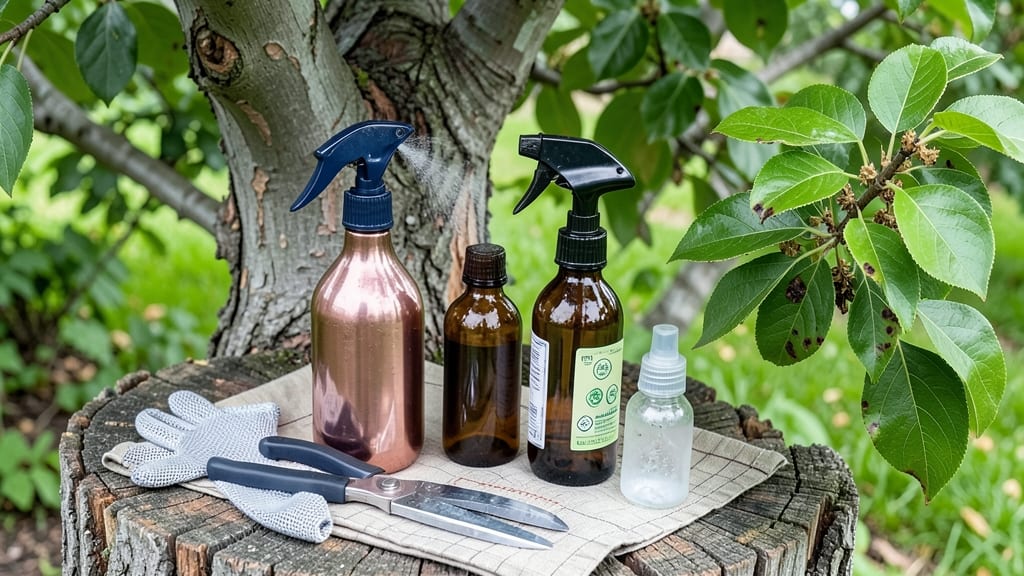
My plum tree’s brown rot crisis taught me that plum tree fungus treatment with copper spray and pruning isn’t just a fix—it’s a lifeline. 🌿 The moment I spotted those telltale blackened fruit and leaf spots, I knew my tree needed more than hope.
This two-pronged approach saved mine, and it can save yours too, whether you’re dealing with powdery mildew or anthracnose.
First, you’ll need to identify the fungus—look for velvety gray mold, blackened fruit, or white powdery coatings on leaves. Once you confirm the issue, pruning removes infected branches (sterilize your tools with rubbing alcohol first), and copper spray—applied at first signs of infection—creates a protective shield.
The key? Timing: spray before bud break in spring, then again after harvest to prevent reinfection.
Within weeks, you’ll see new growth pushing through, free of those ugly spots. The copper spray doesn’t just treat—it prevents, and the pruning keeps your tree’s energy focused on healthy branches.
By late summer, your tree will look like it’s bouncing back, with fewer weak spots for next year’s infections.
For stubborn cases or large trees, don’t hesitate to call an arborist—some fungal infections need professional intervention. But for most home gardeners, this method works like a charm, turning a dying tree into a thriving one. Let’s get your plum tree back to its best.
Root Causes Of Plum Tree Fungus
Fungal infections in plum trees are rarely random—they thrive because of specific conditions that create the perfect storm for spores to germinate and spread. Understanding these triggers is the first step to prevention and treatment.
Below, we break down the key factors that turn your healthy plum tree into a fungal buffet.
Fungi love humidity and stagnant air, and plum trees often provide both. When branches grow too closely together, moisture lingers on leaves and bark, creating an ideal environment for fungal spores like Monilinia (brown rot) or Botryosphaeria (dieback).
Poor airflow also slows drying after rain or irrigation, keeping fungal spores damp and active.
Why it matters:
- Shaded, crowded branches stay wet longer, delaying evaporation.
- Thick foliage traps humidity, while open canopies allow air to circulate and dry surfaces faster.
- Solution preview: Pruning to improve airflow is one of the most effective preventive measures.
Plum trees need consistent moisture, but too much water (or uneven watering) weakens roots and invites fungal infections.
Overwatering leads to: - Waterlogged soil, cutting off oxygen to roots and stressing the tree. - Soggy bark and leaf surfaces, giving fungi like Phytophthora (root rot) a foothold. - Weakened natural defenses, as the tree diverts energy to survival instead of fighting pathogens.
The science behind it: Fungi release enzymes that break down plant cell walls when conditions are wet. A study from the Journal of Plant Pathology found that soil moisture above 60% for prolonged periods significantly increases fungal spore germination in fruit trees.
Red flags to watch for:
- Yellowing leaves (chlorosis) from root stress.
- Mushrooms sprouting at the tree’s base (a sign of advanced rot).
- Bark that feels soft or spongy when pressed (early decay).
Fungal spores enter through openings—whether from pruning cuts, hail, insect bites, or even sun scald. Once inside, they multiply rapidly, especially if the wound isn’t properly sealed.
Common entry points include: - Improper pruning cuts (jagged edges instead of smooth, slanted cuts). - Frost cracks in bark during winter temperature swings. - Insect damage (e.g., borers creating tunnels). - Mechanical injury (lawnmower hits, animal scratches).
How fungi exploit wounds:
- Spores land on damp, damaged tissue.
- Hyphae (fungal threads) penetrate the wound within 24–48 hours if moisture is present.
- Mycelium spreads, blocking nutrient flow and causing dieback.
Pro tip: 💡 Always sterilize pruning tools with rubbing alcohol between cuts to avoid spreading spores from one wound to another.
A stressed plum tree is a fungus magnet. When soil lacks essential nutrients (like potassium, phosphorus, or micronutrients like zinc), the tree’s immune system weakens.
Common stressors include: - Compacted or clay-heavy soil (restricts root growth, leading to waterlogging). - pH imbalances (fungi thrive in acidic soil (pH < 6.0); plum trees prefer 6.0–7.0). - Lack of organic matter (reduces beneficial microbes that compete with pathogens).
The domino effect: ➡️ Weak roots = poor water/nutrient uptake = stunted growth. ➡️ Stunted growth = thinner bark (easier for fungi to penetrate). ➡️ Thinner bark = higher susceptibility to cracks and infections.
Quick soil check:
- Dig a 6-inch hole around the tree. If the soil is hard, smells sour, or repels water, it’s time to amend with compost or gypsum.
Some insects act as fungal taxis, spreading spores from infected trees to healthy ones.
The worst culprits for plum trees include: - Japanese beetles (chew leaves, leaving wounds for fungi like Botrytis). - Scale insects (excrete honeydew, which fosters sooty mold). - Aphids (transmit viral diseases that weaken trees, making them fungus-prone).
How it spreads:
- Insect feeds on a fungus-infected tree.
- Spores stick to its body or are mixed into its saliva/honeydew.
- It moves to a healthy tree, depositing spores via feeding or egg-laying.
Prevention tip: 🎯 Use neem oil sprays or horticultural oil to disrupt insect life cycles before fungi get a chance.
Fungi love moderate, damp conditions—but they also hibernate in extreme heat or cold. When temperatures swing wildly (e.g., freezing nights followed by warm, rainy days), fungi wake up hungry.
For example: - Spring frosts damage blossoms, creating entry points for Monilinia (brown rot). - Summer drought followed by sudden rain stresses the tree, lowering its resistance.
The fungal life cycle hack: Many plum tree fungi (like Cercospora) overwinter in leaf litter or bark. When spring arrives, warm, wet conditions trigger spore release, infecting new growth.
Actionable fix: 🌡️ Mulch properly (2–4 inches of wood chips) to regulate soil temperature and reduce stress.
Fixing Fungal Issues Step by Step
Fungal infections on plum trees can feel like a losing battle, but with the right approach, you can restore your tree’s health—and even prevent future outbreaks. Below, we’ve mapped out practical, step-by-step solutions tailored to the most common causes of plum tree fungus, from brown rot to powdery mildew.
Each fix includes prevention tips to keep your tree thriving long-term.
Cause: Fungal spores hitchhike on fallen fruit or infected branches, thriving in wet, warm conditions. Fix It:
- 🔥 Remove Infected Fruit & Debris
- Pick up all fallen or mummified fruit from the ground and tree. Burn or trash them—do not compost—to eliminate spores.
- Prune any branches with cankers (sunken, discolored areas) 6–12 inches below the infection.
- 🍳 Apply Copper Fungicide (Preventative & Curative)
- Spray copper-based fungicide (like Bordeaux mixture or copper sulfate) before buds swell in early spring and again after harvest.
- Reapply every 7–10 days during wet periods (fungus loves moisture!).
- 🌡️ Improve Air Circulation
- Thin out dense branches to reduce humidity trapped in the canopy.
- Space trees 12–15 feet apart if replanting.
💡 Prevention Pro Tip:
- Sanitize pruners with rubbing alcohol between cuts to avoid spreading spores.
- Avoid overhead watering—use drip irrigation or water at the base.
Cause: Fungal spores spread in shady, humid conditions, leaving a chalky white coating on leaves. Fix It:
- 👨🍳 Prune for Sunlight
- Thin out branches to increase airflow and sunlight penetration (powdery mildew hates UV rays).
- Remove heavily infected leaves immediately—don’t let them linger.
- 🥘 Homemade Spray Remedies - Baking soda spray: Mix 1 tbsp baking soda + 1 tsp dish soap + 1 gallon water.
Spray every 7–10 days until mildew disappears. - Neem oil: Apply neem oil (2 tsp per gallon of water + surfactant) in the evening to avoid burning leaves.
- ⏰ Timing Matters
- Start treatments early spring and repeat every 2 weeks until fall.
- Avoid fungicides with sulfur if temps exceed 85°F—it can damage leaves.
🎯 Prevention Pro Tip:
- Plant mildew-resistant varieties like ‘Santa Rosa’ or ‘Methley’ plum trees.
- Water deeply but infrequently—wet leaves for long periods invite fungus.
Cause: Dark spots with yellow halos appear when leaves stay wet too long (common in rainy seasons). Fix It:
- 🔪 Clean Up Fallen Leaves
- Rake and dispose of all infected leaves—do not mulch them.
- Remove low-hanging branches touching the ground (they trap moisture).
- 🍎 Fungicide Rotation
- Alternate between copper fungicide and potassium bicarbonate spray (less harsh on beneficial insects).
- Apply at first sign of spots and repeat every 10–14 days.
- 🌿 Soil & Mulch Adjustments
- Avoid thick mulch near the trunk—keep it 2–3 inches deep to prevent moisture buildup.
- Test soil pH—fungus thrives in acidic soil (pH < 6.0). Amend with lime if needed.
✨ Prevention Pro Tip:
- Mulch with straw or pine needles (they dry faster than wood chips).
- Plant in full sun—leaf spot fungus struggles in bright, dry conditions.
No matter the fungus, these universal steps will strengthen your plum tree’s resistance:
- 📊 Monitor weekly for early signs (yellowing, spots, or unusual growths).
- 💪 Boost tree health with balanced fertilizer (high in potassium) in early spring.
- 🚫 Avoid stress—don’t overwater or underwater; plum trees prefer consistent moisture.
Remember: Fungal treatments work best when started early. Once a tree is severely infected, prevention becomes harder—so act fast, stay vigilant, and your plum tree will reward you with years of healthy fruit! 🍑🌿
Frequently asked questions
Can I use household vinegar as a plum tree fungus treatment?
While vinegar is a natural disinfectant, it’s too acidic (pH ~2.5) for safe use on plum trees. A diluted solution (1:10 ratio) might help as a leaf rinse, but it can burn foliage and won’t penetrate fungal infections. Stick to copper fungicides or baking soda sprays for effective, plant-safe treatments.
How often should I prune my plum tree to prevent fungus?
Prune once a year in late winter or early spring (before buds swell) to remove dead/diseased branches. For severe infections, do a light pruning in summer to improve airflow. Always sterilize tools with rubbing alcohol between cuts to prevent spreading spores.
Will copper spray harm bees or beneficial insects?
Copper fungicides are low-toxicity to bees when used correctly. Apply sprays early morning or late evening when bees aren’t active. Avoid spraying during bloom time, and choose organic copper options (like copper hydroxide) for safer ecosystems. Always follow label instructions.
Can I save a plum tree with severe fungal infection?
Early intervention gives you the best chance! Remove all infected branches (6–12 inches below damage), apply copper fungicide every 7–10 days, and improve airflow. For advanced cases, consult an arborist—some infections (like Phytophthora) may require soil treatments or tree removal to prevent spread.
What’s the difference between brown rot and powdery mildew?
Brown rot causes blackened fruit, cankers on branches, and mummified leaves—it thrives in wet conditions. Powdery mildew appears as white chalky coatings on leaves, spreading in shady, humid areas. Treatment differs: brown rot needs copper spray + pruning; mildew responds to baking soda sprays + airflow improvements.