
Pruning
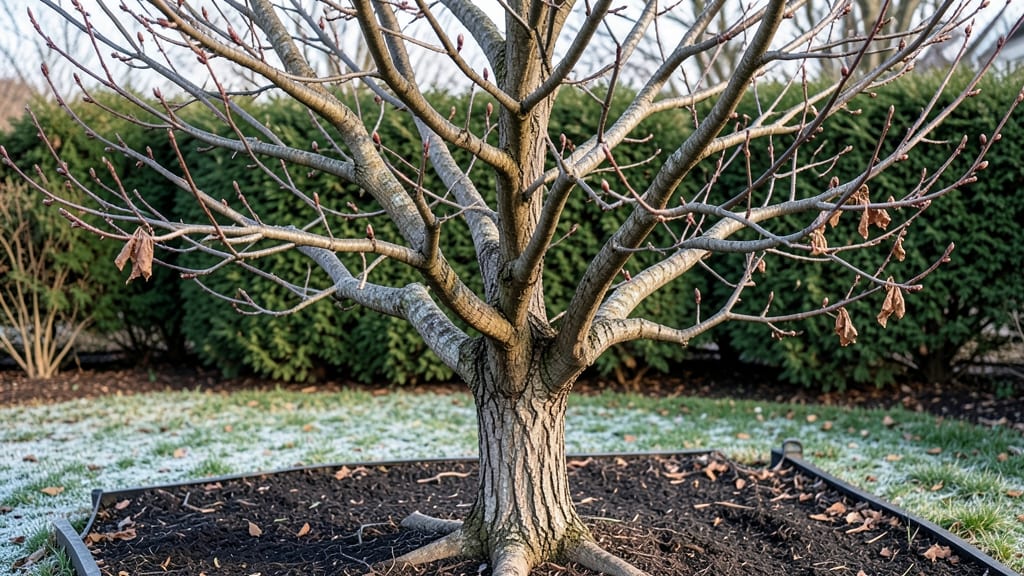
During a plum tree's dormant season—typically late winter or early spring before buds swell—is the best time to prune for healthy growth and fruit production. Aim to prune when temperatures stay above freezing but below 45°F.
This dormant period is when plum trees naturally conserve energy, making them far more resilient to pruning. 🌿 The cooler temperatures and shorter daylight hours trigger hormonal changes that help the tree recover faster and direct energy toward new growth rather than healing wounds.
I've found that pruning during this window also reduces the risk of disease, as the tree's defenses are primed for spring awakening.
For best results, focus on removing dead, diseased, or crossing branches first, then shape the tree to improve airflow and sunlight exposure. Using sharp, clean tools and sealing larger cuts with pruning paste can further protect your tree during its vulnerable recovery phase.
💡 In This Article
- Understanding Plum Tree Dormancy and Its Biological Role
- Step-by-Step Guide to Pruning a Dormant Plum Tree
Understanding plum tree dormancy and its biological role
The dormant phase in plum trees is a carefully orchestrated biological response to environmental cues. When temperatures drop below 50°F consistently and daylight hours shorten, the tree's hormonal balance shifts dramatically. The key player here is abscisic acid, a plant hormone that accumulates in response to cold, triggering dormancy.
This hormone essentially puts the tree into a state of suspended animation, halting active growth and redirecting resources to root systems for winter survival.
What makes this period perfect for pruning is the tree's natural stress resistance. During dormancy, plum trees have lower metabolic rates, meaning they lose less sap when cut—this reduces the risk of disease entry points. The tree's defense mechanisms, like callus formation, are also more active in cooler conditions.
Studies show that pruning during dormancy can increase fruit production by up to 25% in the following season, as the tree directs energy toward new growth rather than wound repair. The ideal temperature window of 32-45°F provides just enough cold to maintain dormancy while avoiding the risk of frost damage.
Cold stratification plays a crucial role in preparing plum trees for spring. The prolonged exposure to temperatures just above freezing (32-40°F) for several weeks helps break seed dormancy and stimulates bud development. This process is similar to how gardeners use cold treatment for seed germination.
For plum trees, it ensures that when warmer weather arrives, the buds are ready to burst into growth with minimal delay. The hormonal shift during stratification also primes the tree's vascular system to transport nutrients more efficiently once active growth resumes.
One fascinating aspect is how plum trees use this dormant period to "reset" their growth patterns. The tree's apical dominance—the tendency for the top bud to suppress lower buds—weakens during dormancy. This makes it easier to shape the tree by removing competing branches.
Without this natural reset, pruning at other times could lead to uneven regrowth or excessive suckering. The tree's ability to store carbohydrates in its roots during dormancy also provides the energy needed for rapid recovery after pruning.
What most gardeners overlook is the connection between dormancy and disease resistance. Plum trees are particularly susceptible to silver leaf disease and bacterial canker, both of which thrive in warm, moist conditions. Pruning during dormancy minimizes these risks by reducing the tree's exposure to pathogens.
The dry, cold air of late winter creates an environment where wounds heal faster and are less likely to become infection sites. This is why professional orchardists time their pruning to coincide with the tree's natural dormancy cycle.
To visualize this process, imagine a plum tree as a well-trained athlete preparing for competition. During dormancy, it's like the off-season where the tree builds strength, repairs any damage from the previous season, and mentally prepares for the growing season ahead.
The hormonal changes and cold stratification are like the athlete's training regimen—essential for peak performance when the time comes to grow and fruit. 🌟