
Plants
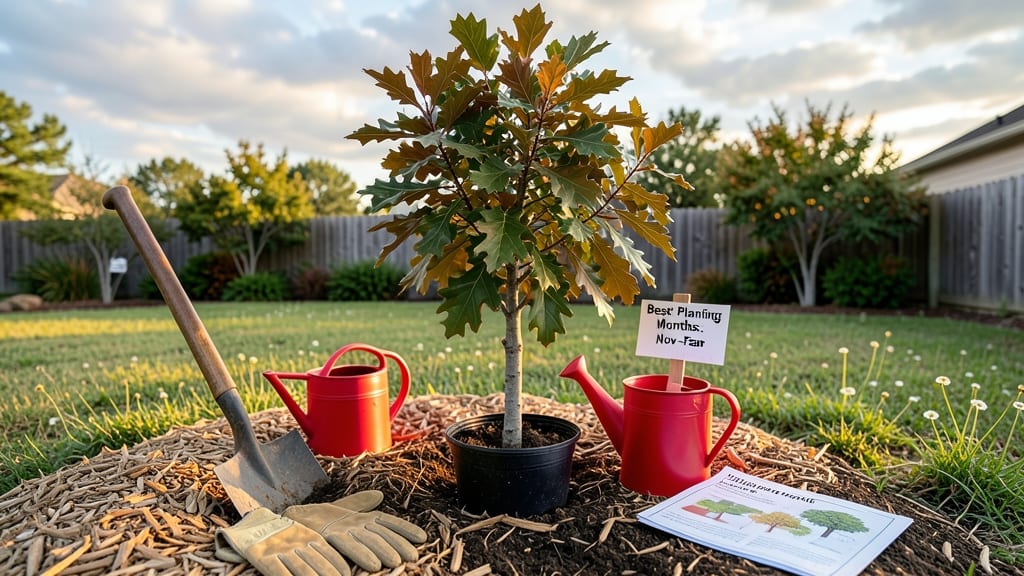
Planting a tree in Texas during late fall to early spring 🌳 sets the stage for a thriving, long-lived specimen that beats the brutal summer heat.
Miss that window, and you risk stunted roots or even tree death—especially in the scorching 100°F+ summers that can fry young plants. The key is knowing your region: North Texas has cooler winters, while South Texas demands earlier planting to avoid drought stress.
In this guide, I’ll break down the best months by USDA Zone (7a–10a), how soil and rainfall affect timing, and which trees (like live oaks or pecans) need extra care. Whether you’re planting bare-root or container-grown, these tips will help your tree take hold fast.
You’ll also learn how to spot common mistakes—like planting too late—and adjust for microclimates, from the Hill Country’s rocky soil to the Gulf Coast’s humidity. Let’s get those roots growing!
Best months to plant trees in Texas by climate zone
Texas’s diverse climate zones—from North Texas’s cooler winters to South Texas’s scorching summers—mean planting trees at the wrong time can spell disaster. Cooler months (November through March) are ideal for root establishment, but microclimates like the Hill Country or Gulf Coast demand even more precision.
Let’s break down the best windows for each region to ensure your tree thrives for decades.
In North Texas (USDA Zones 7a-8b), where winters dip below freezing, late fall to early spring (November–March) is your sweet spot. Central Texas (Zones 8a-9a) offers a wider window (October–April), but avoid peak summer heat.
Meanwhile, South Texas (Zones 9a-10a) allows year-round planting, though spring and fall remain safest for most species.
| Region | Best Planting Months | Avoid | Key Considerations |
|---|---|---|---|
| North Texas (Zones 7a-8b) | November–March | June–August | Cooler soils, frost risk; plant bare-root trees in winter. |
| Central Texas (Zones 8a-9a) | October–April | May–September | Variable weather; Hill Country may need earlier planting. |
| South Texas (Zones 9a-10a) | Year-round (best: Feb–April, Sep–Nov) | None (but avoid peak heat) | Humidity and heat; Gulf Coast benefits from fall planting. |
| Hill Country (Microclimate) | November–February | June–August | Drought-prone; deep watering critical post-planting. |
For North Texas, prioritize November–January to avoid frost damage. Central Texas gardeners should plant in October–November or February–March to dodge summer’s brutal heat. In South Texas, spring and fall are ideal, but container-grown trees can handle summer planting with extra care.
The Hill Country presents unique challenges due to its caliche soil and erratic rainfall. Plant native species like cedar elms in late fall to capitalize on winter moisture. Conversely, the Gulf Coast benefits from September–November planting to escape hurricane season’s stress.
Container-grown trees offer flexibility, allowing planting year-round except in peak summer. Bare-root trees, however, must be planted during dormancy (November–February) to minimize transplant shock. Always check local USDA zone maps and microclimate factors like urban heat islands or wind exposure.
Mulching with 3–4 inches of organic mulch after planting retains moisture and regulates soil temperature. In drought-prone areas, add a soil moisture sensor to monitor root zone hydration. Avoid overwatering, which can suffocate roots in Texas’s heavy clay soils.
Pro tip: Test soil moisture before planting—dig a hole and check for dampness. If dry, delay planting until rainfall or irrigation improves conditions. Native Texas trees like live oaks or Texas redbuds adapt best to local climates, reducing stress during establishment.
Timing isn’t just about months—it’s about soil temperature. Use a soil thermometer to ensure roots encounter 60–70°F soil for optimal growth. In North Texas, wait until soil warms post-frost; in South Texas, avoid planting when soil exceeds 85°F.
Remember: Young trees need consistent care for the first 2–3 years. Combine proper planting timing with regular watering, pruning, and fertilization to set your tree up for long-term success. With these region-specific guidelines, your Texas tree will grow strong and resilient for generations.
Critical factors that determine tree planting success in Texas
Texas’s extreme temperature swings and unpredictable rainfall create unique challenges for tree planting. Unlike cooler climates, root establishment depends heavily on avoiding peak summer heat (100°F+), which can scorch delicate roots.
Even soil moisture retention varies drastically—clay soils in East Texas hold water longer than sandy soils in West Texas, altering planting timelines.
Another critical factor is urban heat islands, where pavement and buildings trap heat, raising soil temperatures by 10-15°F compared to rural areas. This means container-grown trees planted in cities may need earlier watering or shade cloth to survive.
Drought-prone regions like the Hill Country also demand deeper root zones before summer arrives.
🌱
✅ Key Factors for Texas Tree Planting Success
- Soil Moisture: Plant when soil temps are 60-70°F (ideal for root growth).
- Rainfall Patterns: Avoid planting during dry spells (e.g., late summer) or flash flood seasons (spring).
- Temperature Extremes: Bare-root trees thrive in cool winters (Nov-Jan); container-grown trees need spring/fall planting.
- Urban Adjustments: Use mulch and drip irrigation in heat islands to offset higher soil temps.
💡 Pro Tip: Test soil moisture 2-3 inches deep before planting—dry soil = delayed root growth.
Texas’s variable microclimates also play a role.
For example, South Texas (USDA Zone 9-10) can plant container-grown trees year-round, while North Texas (Zone 7-8) risks late frosts if planted too early. Central Texas (Zone 8) strikes a balance but requires adjusted watering schedules based on ET (Evapotranspiration) rates, which spike in summer.
Don’t overlook tree species adaptations. Native oaks and mesquites tolerate drought stress better than imported varieties like Japanese maples, which need consistent moisture and shade protection. For these sensitive species, fall planting (September-October) reduces transplant shock by allowing roots to establish before summer heat.
Finally, urban heat islands demand strategic planting. In cities like Austin or Houston, soil temperatures can exceed 120°F in summer.
To mitigate this, plant deeper than usual (12-18 inches) and use light-colored mulch to reflect heat. Drip irrigation at dawn minimizes evaporation, ensuring roots stay hydrated during critical first 60 days of growth.
By aligning planting with soil moisture, temperature trends, and local microclimates, your Texas tree will thrive for decades—not just survive the first year. 🌳