
Plants
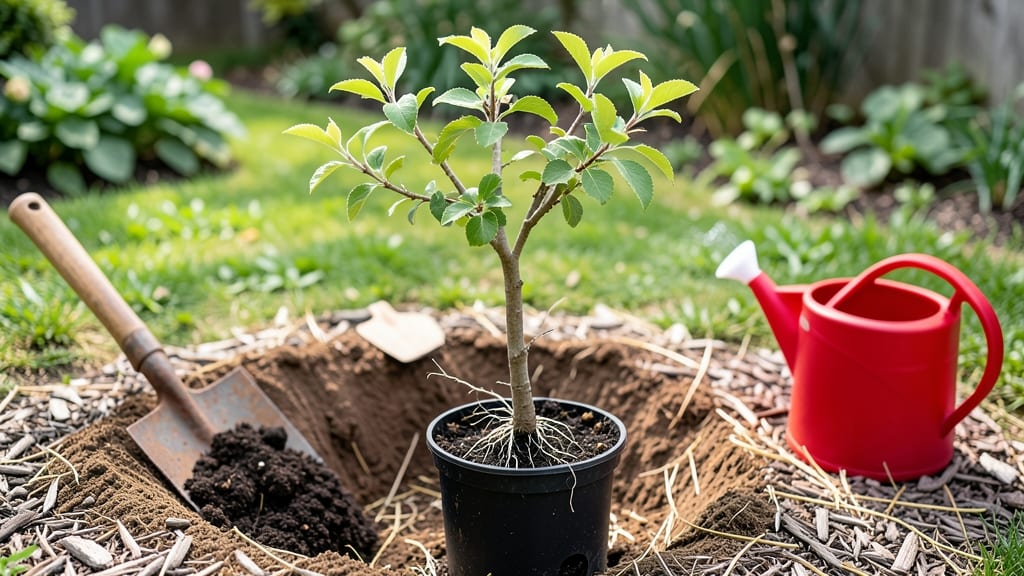
Planting a peach tree in Texas at the right time means the difference between a flourishing orchard and a tree that struggles to survive the state’s wild swings from frost to 100-degree heat.
If you’ve ever watched a young 🍑 peach tree wilt after a late freeze or bolt to flower too early in the season, you know timing isn’t just about picking a month—it’s about reading your climate zone like a map.
North Texas gardeners play by one set of rules, while South Texas growers can push the calendar a full month earlier without risking damage.
Beyond the calendar, soil temperature, variety selection, and even your tree’s maturity level all shift when you should dig that hole. A bare-root sapling planted in February might thrive where a grafted tree needs to wait until March’s warmer soil.
Here’s how to pinpoint the best window for your Texas zone, avoid common mistakes that kill peach trees, and set yours up for years of sweet harvests—without the guesswork.
Best planting months for peach trees in Texas by climate zone
Texas gardeners know timing is everything when planting peach trees. The Lone Star State's diverse climate zones create wildly different conditions—from freeze-prone North Texas to mild South Texas winters.
Planting too early risks frost damage, while late planting delays fruit production. Let's break down the ideal planting windows for each of Texas' four climate zones.
Peach trees thrive when planted during cooler months when soil temperatures stay above 60°F. This ensures roots establish before summer heat arrives. Texas' USDA zones 8a-10b create distinct planting windows. For example, North Texas (Zone 8a) has later frost dates than South Texas (Zone 9b-10b), requiring adjusted timing.
Below is your climate zone guide with specific months, frost risk analysis, and variety recommendations to maximize success. Whether you're in dry West Texas or humid East Texas, these guidelines will help you plant at the perfect time.
| Climate Zone | Best Planting Months | Last Frost Date | Soil Temp Requirement | Recommended Varieties | Key Consideration |
|---|---|---|---|---|---|
| North Texas (Zones 8a-8b) | Late February - Early March | Mid-February to early March | 60°F+ minimum | Elberta, Redhaven, Halford | High frost risk; use cold-hardy varieties |
| Central Texas (Zones 8b-9a) | Early March - Mid-April | Mid-March to early April | 60°F+ minimum | Bonanza, Contender, Early Red | Moderate frost risk; watch for late freezes |
| East Texas (Zones 8a-9a) | Late February - Early April | Late February to mid-March | 60°F+ minimum | Suncrest, Redtop, Contender | Humidity increases disease risk; improve drainage |
| West Texas (Zones 8a-9a) | Early March - Late March | Late February to early March | 60°F+ minimum | Bonanza, Redhaven, Halford | Drought conditions; water deeply after planting |
For North Texas gardeners, planting between late February and early March gives roots time to establish before summer heat arrives. Varieties like Elberta and Redhaven handle the region's unpredictable freezes better than tropical varieties.
Always check your local frost dates—some years, late freezes can occur as late as April.
Central Texas offers the most flexibility with planting windows from early March to mid-April. This zone benefits from warmer soils earlier in the season, allowing for quicker root establishment. Bonanza peaches are particularly well-suited here due to their moderate chill requirements and resistance to common Texas diseases like brown rot.
East Texas' humid climate demands special attention to soil drainage and disease prevention. Planting in late February through early April avoids both frost damage and fungal issues.
Varieties like Suncrest thrive here because they handle high humidity better than other peach types. Always choose a well-draining location to prevent root rot.
West Texas presents unique challenges with its arid conditions. Planting in early to late March ensures trees get enough moisture before summer droughts begin. Drought-tolerant varieties like Bonanza perform best here. After planting, mulch heavily to retain moisture and water deeply every 7-10 days during establishment.
Regardless of your Texas zone, avoid planting in extreme heat (above 90°F) or during prolonged droughts. These conditions stress young trees and reduce survival rates. If you miss the ideal window, fall planting (September-October) is possible in zones 9a-10b, but requires careful water management during winter.
Pro tip: Use a soil thermometer to confirm temperatures are consistently above 60°F before planting. This simple tool prevents costly mistakes in Texas' variable climate. Remember, healthy roots equal better fruit production—so take your time with planting timing!
Critical factors that determine your peach tree planting timeline
Timing your peach tree planting in Texas isn't just about checking the calendar—it's about understanding soil temperature, moisture availability, and disease risks unique to your microclimate. Unlike cooler regions, Texas peach trees face extreme heat and unpredictable freezes, making precise timing critical for survival and fruit production.
Your soil temperature is the first factor to monitor. Peach trees need 60°F+ soil to establish roots successfully. In North Texas, this typically occurs in late February to March, while South Texas soils may reach this threshold as early as January.
Urban areas often warm faster than rural zones due to heat island effects, so adjust accordingly.
Here’s how moisture availability impacts your timeline. Planting during dry spells forces young trees to compete with weeds for water, while overly wet conditions can lead to root rot.
Aim for moderate rainfall or supplement with drip irrigation during establishment. Rural areas with clay-heavy soils may require amending with compost to improve drainage.
Peach Tree Planting in Texas: Pros and Cons
✅ Planting in Late Winter (Feb-Mar)
- Soil warmth (60°F+) promotes root growth
- Lower disease risk than summer planting
- 6-8 weeks before last frost in most zones
- Ideal for bare-root saplings (common in nurseries)
❌ Planting in Summer (Jun-Aug)
- Extreme heat stresses young roots
- Higher fungal risks (e.g., brown rot)
- Requires constant irrigation (15-20 gallons/week)
- Slow establishment due to drought conditions
Urban Tip: Container-grown trees can plant year-round but need extra water in Texas summers.
Disease risk periods are another critical factor. Texas peach trees are vulnerable to bacterial spot and peach leaf curl when planted during warm, wet springs. To mitigate risks, avoid planting during April showers in East Texas or May rains in Central Texas.
Instead, opt for dry planting windows like early March or late February.
Urban vs. rural conditions also play a role. In urban settings, compacted soil and limited space may require raised beds or container planting. Rural areas often have better soil drainage but may face wildlife pressure (e.g., deer browsing).
Always mulch heavily (3-4 inches) to retain moisture and suppress weeds, regardless of location.
Finally, choose your peach variety based on your timeline. Early-season varieties like Redhaven thrive when planted in February, while late-season Elberta peaches benefit from March planting. Always verify your USDA zone (8a-10b) and local frost dates to avoid late-season damage.
By aligning your planting timeline with these critical factors, you’ll give your peach tree the best chance to thrive in Texas’ challenging climate. 🌱