
Pruning
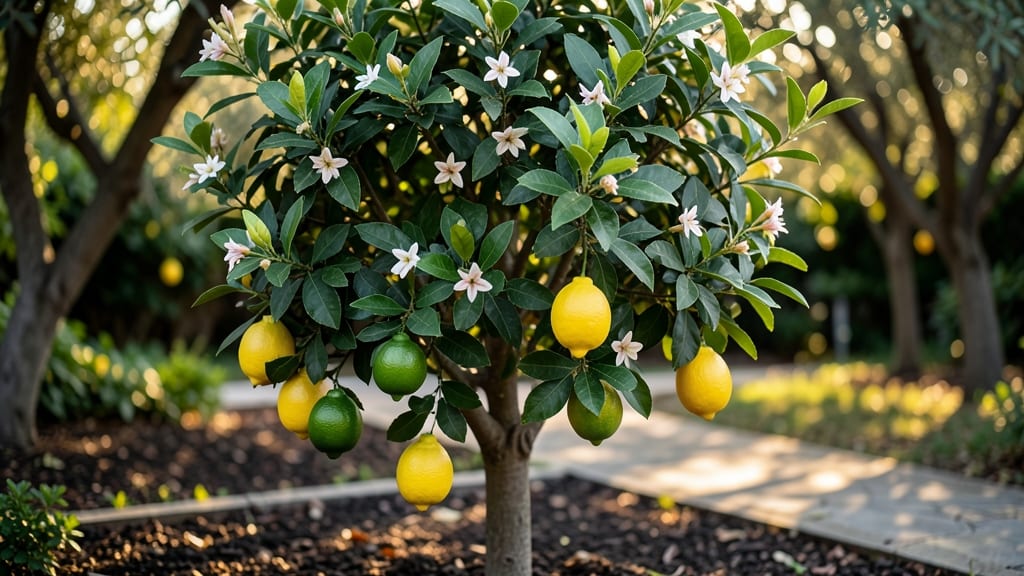
Growing lemon trees in Zone 6 requires cold-hardy varieties like 'Meyer' or 'Ponderosa,' plus protective measures such as mulching, frost cloth, and container mobility to prevent root damage below 20°F. Most tender citrus varieties thrive best when overwintered indoors.
Zone 6 winters push lemon trees to their limits, but the right approach can make all the difference. 🍋 The key is understanding that most citrus varieties aren't naturally cold-resistant—they originate in Mediterranean climates where temperatures rarely drop below 25°F.
Cold-hardy types like 'Meyer' can tolerate brief dips to 15°F with protection, but prolonged exposure below 20°F will still cause damage. I've found that combining physical barriers (like frost cloth) with root insulation (deep mulch or container wrapping) creates a microclimate that mimics their native conditions.
For container-grown trees, mobility becomes your best friend—simply move pots closer to south-facing walls or under eaves when frost warnings arrive. If you're dealing with in-ground plants, focus on protecting the root zone first, as frozen roots are often the death knell for citrus in cold climates.
The good news? With these strategies, even tender varieties can survive Zone 6 winters, though they may need a head start in spring to rebound fully.
💡 In This Article
- Cold Hardiness Limits of Lemon Trees in Zone 6
- Step-by-Step Winter Protection Guide for Zone 6 Lemon Trees
Cold hardiness limits of lemon trees in zone 6
The natural cold tolerance of lemon trees hinges on their cellular structure and evolutionary adaptations. Most citrus varieties originate from Mediterranean climates where winter temperatures rarely fall below 25°F.
When exposed to colder conditions, the water inside plant cells begins to freeze, forming ice crystals that rupture cell walls—a process called cytoplasmic dehydration. This damage starts at around 28°F for tender varieties, with severe injury occurring below 20°F.
Cold-hardy varieties like 'Meyer' lemons have developed thicker bark and deeper root systems that help them withstand brief dips to 15°F with protection.
The bark acts as insulation, while the roots store more starches to fuel recovery. 🍋 In contrast, standard Eureka or Lisbon lemons typically succumb to temperatures below 25°F without intervention.
What's fascinating is how citrus trees prioritize root protection—they'll often shed leaves first to conserve energy, redirecting nutrients to the roots where survival is critical.
Zone 6's winter extremes create a unique challenge because the ground itself becomes a heat sink, drawing warmth from plant roots. When soil temperatures drop below 32°F, root activity halts, and prolonged exposure can lead to root rot from alternating freeze-thaw cycles.
This is why container-grown trees have an advantage—their roots stay warmer and can be moved to sheltered locations when frost is forecasted. The key measurement here is soil temperature: maintaining it above 35°F is critical for root survival.
What most gardeners overlook is how moisture levels affect cold hardiness. Wet soil conducts cold more efficiently than dry soil, which is why proper drainage and mulching become essential. A 4-6 inch layer of organic mulch (like straw or wood chips) can raise soil temperatures by 5-10°F during cold snaps.
This creates a protective barrier that mimics the natural insulation of Mediterranean hillside environments where citrus originally evolved.
The science behind bark splitting reveals another critical detail: as temperatures drop below 20°F, the outer bark contracts while inner tissues remain warmer. This creates stress points that can split, exposing vulnerable tissue to infection.
Cold-hardy varieties handle this better due to their more flexible bark structure. For container trees, wrapping the trunk with bubble wrap or insulating foam can prevent this damage entirely.
One surprising survival strategy citrus trees employ is dormancy induction. As days shorten in autumn, trees naturally increase their production of abscisic acid, a hormone that helps them enter a semi-dormant state.
This process makes them more resilient to cold, but only if they've had time to prepare. Rushing winter protection measures before the tree has completed this transition can actually reduce its cold tolerance.