
Plants
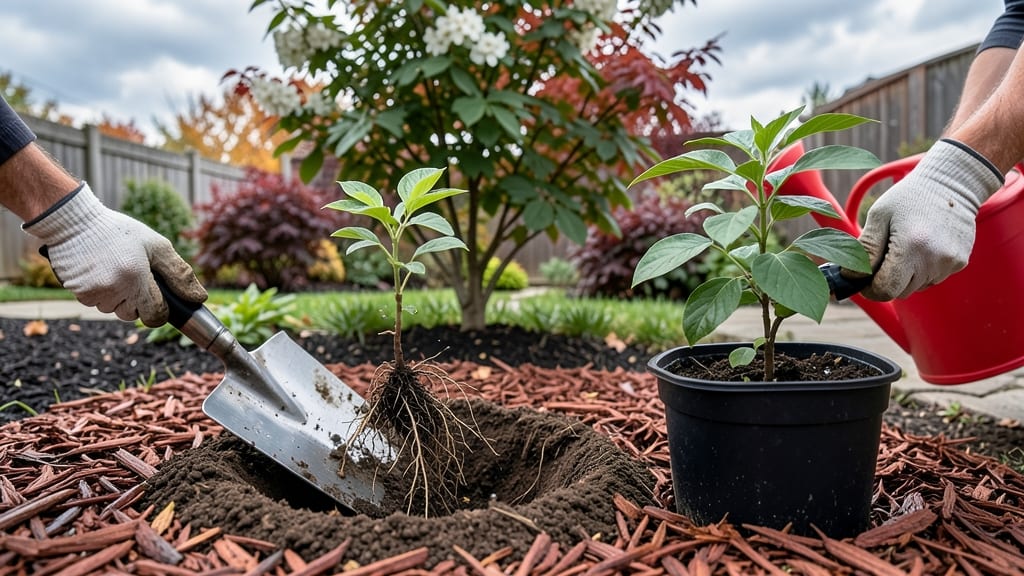
Planting a dogwood tree in fall gives it a head start on root growth before winter, but the timing depends on your climate zone — get it wrong, and your tree may struggle to establish.
Fall planting offers dogwood trees a head start on root growth before winter, but timing varies drastically by climate zone—get it wrong, and your tree may struggle to thrive.
If you’re in USDA Zone 6a, aim for late October to mid-November, when soil is still workable but frost isn’t yet a threat. In warmer zones, you might push it into early December, while colder regions should plant earlier.
Below, I break down the exact window for your zone, soil prep tips to avoid common mistakes, and how to tell if your dogwood is thriving (or fighting for survival) after planting.
Optimal fall planting windows by USDA hardiness zones
Planting a dogwood tree in fall gives it time to establish roots before winter, but the perfect window depends entirely on your USDA hardiness zone. In warmer zones, you might have until December, while colder regions demand earlier action.
Let’s break down the exact timing for zones 3 through 10 to avoid frost damage or dormancy issues.
Fall planting success hinges on two key factors: soil workability and frost-free weeks. Dogwoods need 4-6 weeks of root growth before the ground freezes. If planted too late, roots won’t harden in time, leaving your tree vulnerable to winter kill.
Conversely, planting too early can expose roots to late-season heat stress.
Here’s how to navigate your zone’s unique conditions, including microclimate adjustments like urban heat islands or sheltered valleys that can shift deadlines by 2-3 weeks. Use this guide to pinpoint your ideal planting window and avoid common mistakes that derail fall plantings.
In Zone 3-4, where winters are harsh, aim to plant by mid-October at the latest. The ground freezes by November, leaving little time for root establishment. Use black plastic mulch or straw to insulate roots if planting late.
For Zone 5-6, October is ideal, but avoid planting after the first frost—roots won’t recover if frozen.
Gardners in Zone 7-8 enjoy flexibility, with a 6-week window from October to November. However, if you’re in a microclimate with early frosts (e.g., mountain valleys), shift your deadline 2 weeks earlier. Zone 9-10 offers the latest deadlines, but avoid summer planting—dogwoods hate heat stress.
Pro tip: Check your local frost dates using the USDA Plant Hardiness Zone Map or a microclimate calculator. If your area has unpredictable frosts, err on the side of planting earlier.
For example, Chicago (Zone 5) might need planting by October 1 due to sudden cold snaps, while San Francisco (Zone 9) can plant until January.
Regional variations matter too. In the Pacific Northwest, mild winters extend deadlines, while Midwest gardeners face earlier freezes. Always adjust for soil temperature: roots won’t grow in soil below 45°F (7°C). Use a soil thermometer to confirm workability before planting.
One common mistake is planting bare-root dogwoods too late, assuming they’ll survive winter. While dogwoods are hardy, new roots need time to harden. If you miss the window, wait until early spring (March-April) to plant, but expect slower growth that first season.
For container-grown dogwoods, fall planting is still ideal, but avoid planting when soil is waterlogged or bone-dry. Amend heavy clay soil with compost or sand to improve drainage. In sandy soils, add organic matter to retain moisture.
Remember: Fall-planted dogwoods often outperform spring plantings because they establish roots before competing with summer weeds. With the right timing, your tree will
How to prepare dogwood trees for fall planting: soil, spacing, and care
Fall planting gives dogwood trees a critical advantage—cooler temperatures and reduced stress help roots establish before winter. But success depends on soil prep, spacing, and watering strategies. Here’s how to set your dogwood up for strong root growth before dormancy sets in.
Start by choosing a sunny to partially shaded spot with well-draining soil. Dogwoods thrive in slightly acidic soil (pH 5.0–6.5), so test your soil first.
If your yard is heavy clay or alkaline, amend it with compost or peat moss to improve structure and acidity. Avoid compacted areas where roots can’t spread.
Test Soil pH
Use a soil test kit to check pH. Aim for 5.0–6.5. Adjust with sulfur (for alkaline soil) or lime (for acidic soil).
Amend Soil
Mix in 3–4 inches of compost or peat moss to improve drainage and fertility. For clay soil, add coarse sand or perlite.
Dig the Hole
Make the hole twice as wide as the root ball but no deeper. Loosen the sides to encourage root spread. Avoid disturbing the root ball itself.
Plant at Correct Depth
Place the tree so the top of the root ball sits 1–2 inches above ground level. This prevents root rot from sitting water.
Space Properly
Give mature dogwoods 15–25 feet of space (depending on variety). Dwarf types need 8–12 feet. Avoid planting near sidewalks or structures to prevent root conflicts.
Water Deeply
Give 15–20 gallons of water immediately after planting. Then water weekly for 4–6 weeks to encourage root growth. Use a soaker hose to avoid disturbing soil.
Mulch Heavily
Apply 3–4 inches of mulch (wood chips or bark) in a 3-foot diameter around the base. Keep mulch 6 inches away from the trunk to prevent rot.
After planting, avoid fertilizing—dogwoods need time to adjust. Instead, focus on consistent moisture and light pruning to shape the tree. By winter, your dogwood’s roots will be well-established, setting the stage for vibrant blooms next spring.
Pro tip: If your region has early frosts, protect young trees with burlap wraps or tree guards to shield tender bark from sun scald. With the right prep, your fall-planted dogwood will outperform spring-planted trees by next season.