
Container Gardens
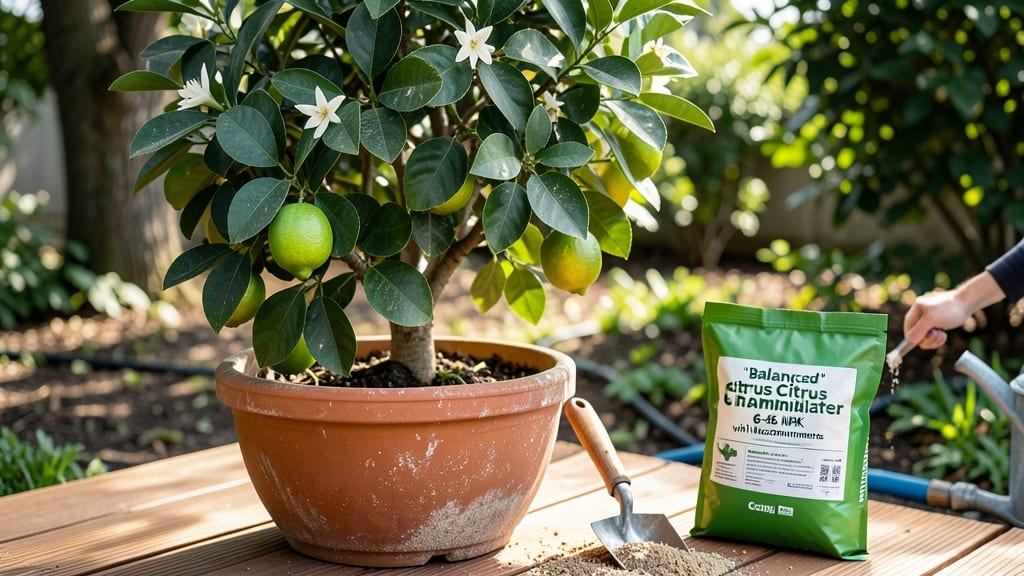
Fertilizing your lemon tree in pot at the right times—spring and fall—is the key to year-round fruit production 🍋 and healthy growth.
Struggling to get your potted lemon tree to bear fruit? The secret might be in your fertilization timing—do it too early, and you’ll waste nutrients; too late, and your tree stays barren. Here’s the science-backed schedule to maximize fruit production without burning your plant.
Most gardeners overlook how container size affects nutrient needs, but a smaller pot means faster soil depletion.
That’s why I’ll show you how to adjust your feeding plan based on whether your tree is in a 5-gallon pot or a 15-gallon container, plus when to cut back in winter to avoid root damage.
You’ll learn the exact month-by-month schedule for Zone 6 climates, how to spot nutrient deficiencies before they stunt your tree, and which fertilizers actually work—no guesswork, just proven results for bigger harvests and greener leaves.

Best seasons to fertilize lemon trees in pots for optimal fruit growth
Timing your lemon tree fertilization isn’t just about feeding your plant—it’s about syncing with its natural growth cycles. In pots, citrus trees like lemons have limited root space, making precise nutrition timing critical for fruit production.
The two best seasons to fertilize are spring and fall, when your tree’s biology shifts from dormancy to active growth and back again.
Spring fertilization kickstarts new growth and prepares your tree for flowering. This is when roots flush with activity, absorbing nutrients to fuel blooms that later become fruit. Fall feeding, on the other hand, strengthens roots before winter dormancy, ensuring your tree stores enough energy for next year’s harvest.
Skipping these windows can leave your tree weak or barren.
Here’s why these seasons matter: In spring, your lemon tree breaks dormancy and begins producing flower buds. A balanced fertilizer with equal parts nitrogen, phosphorus, and potassium (like 6-6-6) supports this transition.
In fall, a lighter feed encourages root development, helping your tree withstand winter stress. Over-fertilizing in summer can burn roots or attract pests, while winter feeding wastes nutrients your tree isn’t using.
Your potted lemon tree’s size also affects fertilization needs. Smaller pots (under 12 inches) dry out faster and need more frequent, lighter feeds. Larger containers (18+ inches) can hold nutrients longer, so you can space feedings further apart.
Always use a well-draining citrus mix to prevent salt buildup from fertilizers.
| Season | Fertilization Goal | Key Triggers | Frequency | Fertilizer Type |
|---|---|---|---|---|
| Spring | Stimulate new growth & flowering | New leaves appear, buds form | Every 4-6 weeks | Balanced (6-6-6) or citrus-specific |
| Summer | Maintain growth, avoid overfeeding | Hot weather, active fruit development | Light feed every 8-12 weeks | Slow-release or diluted liquid |
| Fall | Strengthen roots before dormancy | Leaves yellow slightly, growth slows | Every 6-8 weeks (light) | Low-nitrogen (e.g., 3-4-6) |
| Winter | Pause feeding | Dormancy, no new growth | None | N/A |
In spring, start fertilizing when you see new leaves emerging (usually late February to April in Zone 6). Use a citrus-specific fertilizer with micronutrients like iron and zinc, which potted trees often lack.
Water thoroughly after applying fertilizer to prevent root burn. For example, a 12-inch pot needs about 1 tablespoon of granular fertilizer per feeding.
Summer fertilization requires caution. While your tree is bearing fruit, reduce feedings to every 8-12 weeks to avoid nutrient overload. Over-fertilizing in heat can cause leaf burn or salt buildup in the soil.
Instead, opt for slow-release fertilizers or diluted liquid feeds. Always water before and after applying fertilizer to help nutrients absorb evenly.
Fall is the second critical window. As temperatures drop, your lemon tree prepares for dormancy. A light feeding in early fall (September-October) encourages root growth, helping your tree store nutrients for spring.
Choose a low-nitrogen fertilizer (like 3-4-6) to avoid promoting late-season growth that won’t harden off before winter. Stop fertilizing entirely by late fall to let your tree rest.
Winter is the only season to skip fertilization entirely. Your lemon tree enters dormancy, conserving energy until spring. Feeding during this time wastes nutrients and can stress the plant. Instead, focus on protecting your tree from cold drafts and reducing watering.
If you’re in a warmer climate (Zone 9+), you might see slight growth, but even then, minimal feeding is best.
Pro tip: Pair fertilization with regular pruning to encourage bushier growth and more fruit. Remove any dead or diseased branches in late winter, and trim back overgrown limbs to improve airflow. This helps your tree focus energy on producing high-quality lemons rather than excessive foliage.
Remember, potted lemon trees thrive on consistency. Stick to your spring and fall schedule, and you’ll see healthier growth, more blooms, and a bountiful harvest. If your tree isn’t fruiting after a year, it might need a larger pot or more sunlight—both can limit fruit production in containers.
How to choose the right fertilizer type and schedule for potted lemon trees
Choosing the right fertilizer for potted lemon trees means balancing nutrient needs with container limitations. Unlike in-ground trees, potted lemons can’t access nutrients from surrounding soil, so you must feed them precisely.
The wrong type or schedule can lead to leaf burn, root damage, or even fruit drop. Let’s break down the best options and timing to keep your tree thriving—and fruiting!
First, decide between organic vs. synthetic fertilizers. Organic options like composted manure, fish emulsion, or citrus-specific pellets release nutrients slowly, mimicking natural soil conditions. Synthetic fertilizers, such as NPK blends (like 6-6-6 or 8-3-9), provide immediate nutrients but require careful dosing.
For potted lemons, I recommend a balanced citrus fertilizer with micronutrients like zinc and iron to prevent deficiencies.
Organic Fertilizers for Potted Lemon Trees
- Slow-release nutrients reduce over-fertilization risk
- Improves soil structure in containers
- Safe for root health long-term
- Encourages beneficial microbes in potting mix
- May require more frequent applications (every 4-6 weeks)
- Can odor issues (e.g., fish emulsion)
- Slower results if deficiencies appear
Synthetic Fertilizers for Potted Lemon Trees
- Immediate nutrient availability for fast growth
- Precise NPK ratios for fruit production
- Easy to measure and apply
- Works well for container-bound trees
- Higher risk of burning roots if overused
- Can disrupt soil pH over time
- Requires frequent monitoring of plant health
- May leach out of pots quickly
Best Choice for Potted Lemons: Citrus-specific slow-release granules (organic) or balanced synthetic (6-6-6) with micronutrients.
For month-by-month fertilization, follow this schedule aligned with your lemon tree’s growth cycle. Start feeding in early spring (March) when you see new leaves emerge—this signals active growth. Use a balanced fertilizer (like 6-6-6) every 4-6 weeks through summer.
In late summer, switch to a lower-nitrogen fertilizer (e.g., 3-4-6) to support fruit development without excessive leafy growth.
As temperatures drop in fall, reduce feeding to every 8-10 weeks and stop completely by November to allow your tree to enter dormancy.
Resume fertilizing in late winter (February) as buds begin to swell. Never fertilize during dormancy (December-February), as this stresses the tree and can lead to root rot in waterlogged pots. Always water your tree 24 hours before fertilizing to prevent nutrient burn.
Watch for signs of over-fertilization, such as yellowing leaves, crispy leaf edges, or white salt deposits on the soil surface. If you see these, flush the pot with water and hold off on feeding for 2-3 months.
For under-fertilized trees, look for stunted growth, small leaves, or no fruit—these are clear signals to adjust your schedule or switch to a more potent fertilizer.
Pro tip: Mix a slow-release fertilizer into the top 2 inches of soil at planting time for a 6-month nutrient boost. This reduces the need for frequent applications and keeps your potted lemon tree consistently fed without the risk of overdoing it.
Pair this with regular pruning to encourage airflow and fruit production.
Remember, potted lemon trees are heavy feeders, but their limited root space means they can’t handle excess nutrients. Stick to the schedule, monitor your tree’s response, and adjust as needed.
With the right fertilizer and timing, your potted lemon tree will reward you with abundant fruit year after year! 🍋