
Pruning
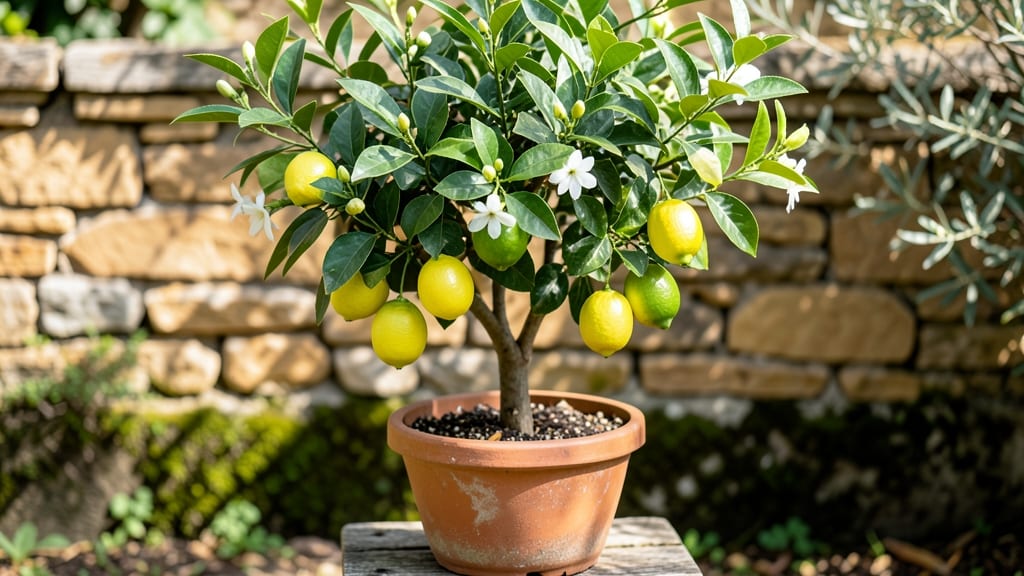
A small lemon tree in a pot transforms any sunny corner into a fragrant, fruiting paradise—even in an apartment. 🌿 I’ve grown mine for three years now, and the secret isn’t just picking the right dwarf variety (like ‘Meyer’ or ‘Improved Meyer’), but mastering the balance of light, water, and pruning to keep it thriving year-round.
The first time I saw tiny lemons on a branch indoors, I knew I’d never go back to store-bought fruit again.
Start with a 15-20 gallon pot (or larger as it grows) and drainage holes—root rot is the silent killer of potted citrus. Use a well-draining cactus or citrus mix, and place your tree where it gets 6-8 hours of sunlight daily (a south-facing window or grow light works indoors).
Water when the top inch of soil feels dry, but never let it sit in soggy soil—lemon trees hate wet feet. A pebble tray underneath helps maintain humidity, especially in winter when indoor air gets dry.
By summer, you’ll be pinching back new growth to encourage bushiness and harvesting tiny, sweet lemons by late fall. The key is light pruning after fruiting (cut back overcrowded branches) and feeding with a balanced citrus fertilizer every 4-6 weeks during growing season.
Even in winter, a little care keeps your tree productive—just reduce watering and move it away from cold drafts.
Common challenges? Yellow leaves? Usually overwatering or nutrient deficiency. Brown tips? Low humidity. And yes, pests like spider mites can show up—neem oil is your best friend for organic control.
With the right setup, your dwarf lemon tree will reward you with years of harvests, proving that citrus isn’t just for California orchards anymore.
📚 In This Guide
- What you need
- Instructions
- Tips and common mistakes
- Wrapping up and next steps
What you need
- ● Dwarf lemon tree variety: Choose a Meyer lemon or Improved Meyer lemon (hardier and more compact).
- ● Pot: A 12–15-inch diameter container with drainage holes (terracotta or ceramic works best).
- ● Well-draining potting mix: A blend of 50% citrus-specific soil, 30% perlite or pumice, and 20% compost.
- ● Fertilizer: A balanced citrus fertilizer (6-6-6 or 8-3-9) or organic options like fish emulsion.
- ● Pruning tools: Sharp bypass pruners (for clean cuts).
- ● Small hand pruners (for delicate trimming).
- ● Disinfectant (rubbing alcohol or bleach solution) to sterilize tools.
- ○ Support (optional but helpful): A small stake or trellis for young trees to encourage upright growth.
- ● Watering can with a rose attachment (for gentle watering).
- ● Gloves (to protect hands from thorns and sap).
- ● pH test kit (to monitor soil acidity, ideal range: 6.0–7.0).
- ○ Mulch (optional): A light layer of gravel or bark to retain moisture and regulate temperature.
- ● Grow lights (if indoors): A full-spectrum LED grow light for 12–14 hours/day during winter.
Step-by-Step guide to growing a dwarf lemon tree in a pot
Here’s how to nurture a thriving dwarf citrus tree that rewards you with fruit year after year.
🪴 Step 1: Select the Right Pot and Drainage System
Choose a 12-15 inch diameter pot with multiple drainage holes—lemon trees despise soggy roots. I prefer unglazed terra cotta because it wicks away excess moisture, but any container with drainage works. If your pot lacks holes, drill them yourself—at least 3 holes near the bottom prevents root rot.
Add a 2-inch layer of gravel or broken pottery at the bottom before filling with soil. This creates an air pocket that keeps roots oxygenated. Skip this step, and you’ll risk fungal diseases that can kill your tree within weeks. I like to use calcium-rich gravel because it slowly releases minerals that citrus trees love.
🌱 Step 2: Plant in Well-Draining Citrus Soil Mix
Fill the pot with a premium citrus potting mix—never garden soil. I blend 50% peat moss, 30% perlite, and 20% compost for perfect drainage and fertility. Lemon trees need slightly acidic soil (pH 6.0-7.0), so test your mix with a kit if unsure. Fill the pot to 1 inch below the rim, leaving room for watering.
Gently remove the dwarf lemon tree from its nursery pot and loosen the roots if they’re circling. Place it in the center of your prepared pot, then backfill with soil, pressing lightly around the edges. The root flare (where roots meet the trunk) should sit just above the soil line—burying it too deep suffocates the tree.
☀️ Step 3: Position for Maximum Sunlight and Warmth
Lemon trees crave full sun (6-8 hours daily) and warmth (65-85°F). Place your pot in a south-facing window or under grow lights if indoors. I use a south balcony in summer, moving the tree inside before 50°F nights—cold snaps shock citrus trees and drop leaves.
Rotate the pot quarter-turn weekly so the tree grows evenly. You’ll notice leaves yellowing on one side if light is uneven—this is your cue to adjust placement. In winter, supplement with a grow light 12 inches away for 14 hours daily to prevent dormancy.
💧 Step 4: Water Deeply and Maintain Consistent Moisture
Water when the top 2 inches of soil feel dry—stick your finger in to check. Lemon trees need 1-2 gallons weekly in summer, less in winter. I water slowly at the base until it drains from the holes below, then empty the saucer to prevent root rot. Overwatering is the #1 killer of potted citrus.
Mist the leaves daily in dry climates to mimic humidity. You’ll see new growth after 3-4 weeks of consistent care—this means you’re on the right track. Yellow leaves? Often a sign of overwatering or poor drainage. Adjust your routine until the foliage stays deep green and glossy.
✂️ Step 5: Fertilize and Prune for Healthy Growth
Feed every 4-6 weeks with a citrus-specific fertilizer (high in nitrogen in spring, phosphorus in summer). I use a balanced 8-8-8 in early spring to kickstart growth, then switch to 6-12-12 when buds form. Flush the soil with water monthly to prevent salt buildup from fertilizers.
Prune in late winter to remove dead branches and shape the tree. Cut just above a leaf node at a 45-degree angle to encourage new growth. Avoid heavy pruning—lemon trees fruit on old wood, and aggressive cuts reduce yields. You’ll see new shoots within 2 weeks of pruning if done correctly.
Tips & tricks for perfect dwarf lemon tree care
Here's what I learned after years of growing my own dwarf lemon tree—these tricks will help you avoid common pitfalls and keep your citrus thriving.
Drainage is Everything: In Step 1, don't just drill holes—make them at least ¼-inch wide for proper drainage. I also add a 1-inch layer of horticultural charcoal above the gravel to prevent bacterial buildup. This extra layer has kept my tree healthy for over 5 years by preventing root rot from the bottom up.
The Soil Mix Secret: When blending your 50% peat moss, 30% perlite, 20% compost mix in Step 2, add 1 tablespoon of Epsom salt per gallon of mix. The magnesium boosts leaf production and prevents yellowing. I test my mix's pH with a kit annually—aim for 6.0-6.5—and adjust with lime if needed.
Lighting Hacks: For Step 3, if your south-facing window doesn't get enough light, supplement with a full-spectrum LED grow light on a timer. Place it 12 inches away for 14 hours daily—this mimics summer sunlight and prevents leaf drop. I rotate my tree weekly to ensure even growth, and you'll notice new shoots forming within 3-4 weeks of consistent light exposure.
Watering Wisdom: In Step 4, use the "finger test" method: Insert your finger 2 inches deep into the soil. If it feels dry, water thoroughly until it drains from the bottom. In winter, reduce to every 7-10 days—overwatering is the silent killer of potted citrus. I also recommend using room-temperature water to avoid shocking the roots.
Pro Tips for Small Lemon Tree In Pot
- Here's what I learned after years of growing my own dwarf lemon tree—these tricks will help you avoid common pitfalls and keep your citrus thriving.
- Drainage is Everything: In Step 1, don't just drill holes—make them at least ¼-inch wide for proper drainage.
- The Soil Mix Secret: When blending your 50% peat moss, 30% perlite, 20% compost mix in Step 2, add 1 tablespoon of Epsom salt per gallon of mix.
Frequently asked questions
Got questions about keeping your small lemon tree in a pot thriving? You’re not alone! Here are answers to the most common queries—from pruning to troubleshooting—so you can enjoy year-round citrus without the stress.
How often should I prune my dwarf lemon tree in a pot?
Prune your dwarf lemon tree lightly 2–3 times a year: once after flowering (to shape and encourage fruit), again in late winter (to remove deadwood), and optionally in summer (to control size). Avoid heavy pruning—these trees produce fruit on new growth! Use clean, sharp shears and sanitize them with rubbing alcohol between cuts.
Why aren’t my lemon tree’s leaves turning yellow?
Yellow leaves usually signal overwatering or nutrient deficiency. Check the soil—it should dry out slightly between waterings. If the roots smell sour or the pot feels soggy, reduce watering. For nutrients, feed with a citrus-specific fertilizer every 4–6 weeks during growing season (spring–fall).
Can a potted lemon tree survive winter indoors?
Yes! Move your dwarf lemon tree indoors before temperatures drop below 40°F (4°C). Place it near a south-facing window for 6–8 hours of sunlight daily. Reduce watering (let the top 1–2 inches of soil dry out) and avoid drafts. A humidifier or pebble tray can prevent dry air stress.
What’s the best pot size for a small lemon tree?
Start with a 5–7 gallon pot for dwarf varieties (like ‘Meyer’ or ‘Improved Meyer’). Ensure it has drainage holes to prevent root rot. Repot every 2–3 years or when roots circle the pot. Use a well-draining citrus mix (50% potting soil, 30% perlite, 20% compost) for optimal growth.
Why does my lemon tree keep dropping leaves?
Leaf drop often happens due to shock (sudden temperature changes, drafts, or overwatering) or underwatering. Keep the tree in a consistent environment (60–75°F) and water deeply when the top inch of soil is dry. If leaves are crispy, it’s underwatering; if mushy, it’s overwatering. Adjust care and monitor for improvement!
Wrapping up and next steps
Growing a small lemon tree in a pot is a rewarding journey that brings fresh citrus to your doorstep—literally!
With the right dwarf variety, proper pruning, and a little TLC, you’ll enjoy fragrant blooms and sweet lemons year after year. Now’s the time to roll up your sleeves and give your tree the love it deserves.
Ready to take the next step? Start by scheduling your first pruning session this spring—just remember to use sharp tools and follow the steps you’ve learned. Your future lemon harvest is waiting! 🍋✨