
Plants
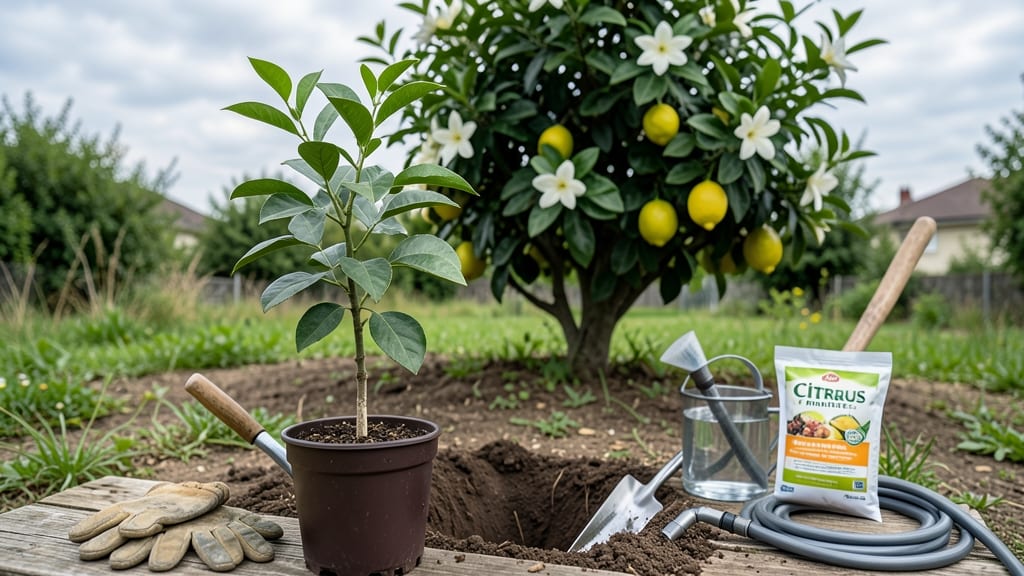
Planting a lemon tree in California at the right time means the difference between a thriving 🍋 harvest and a struggling sapling — and the best window depends on where you live.
Picture this: you’ve just planted your lemon tree in late summer, only to watch it wilt under a sudden heatwave or struggle to root before the first frost. That’s why timing matters so much, especially in a state with everything from coastal fog to inland deserts.
Coastal areas like San Diego (USDA Zone 10-11) can plant year-round, while inland zones like Sacramento (Zone 9) need to wait until after mid-December’s last frost. I’ll break down the exact months for your region, plus soil prep tips to give your tree the best start.
From container planting hacks to frost protection, you’ll learn how to set your lemon tree up for success — no guesswork, just science-backed timing for your California climate.
California climate zones & optimal lemon tree planting months by region
California’s diverse climate zones—from frost-prone inland valleys to frost-free coastal areas—create wildly different planting windows for lemon trees. In USDA Zones 9-11, your timing choice can mean the difference between a thriving tree and one struggling with heat stress or poor root establishment.
Let’s break down the ideal months for each region, including critical soil temperature thresholds and frost risks.
Coastal areas like San Diego and Santa Barbara (Zones 10-11) enjoy mild winters with no frost, allowing year-round planting. Meanwhile, inland zones like Sacramento (Zone 9) face occasional frost, requiring careful timing to avoid winter damage.
The key? Plant when soil temperatures stay above 60°F—the magic number for root growth.
Here’s the science-backed breakdown of planting windows by region, including coastal vs. inland differences and ideal soil conditions for your lemon tree’s success.
| Region | USDA Zone | Best Planting Months | Soil Temp (°F) | Frost Risk | Key Notes |
|---|---|---|---|---|---|
| Southern California (LA, San Diego) | 10-11 | Year-round | 60°F+ | None | Coastal microclimates thrive; avoid summer planting (heat stress risk). |
| Central Valley (Fresno, Bakersfield) | 9-10 | Feb–April | 60°F+ | Low (Dec–Jan) | Plant after last frost date; use windbreaks for young trees. |
| Northern California (Sacramento, Bay Area) | 9 | March–May | 65°F+ | Moderate (Dec–Feb) | Wait until soil warms; protect with frost cloth if late frost occurs. |
| Desert (Palm Springs, Joshua Tree) | 10-11 | Oct–Nov | 70°F+ | None | Avoid summer planting; use shade cloth for young trees. |
For coastal regions like San Diego, you can plant anytime—even in summer—but aim for fall or spring to avoid heat stress. Inland zones like Sacramento demand patience: wait until March or April when soil temperatures consistently stay above 60°F.
Use a soil thermometer to confirm—roots need warmth to establish.
Another critical factor is wind exposure. Coastal areas often experience Santa Ana winds, which can dry out young trees. Plant in a sheltered spot or use a windbreak like bamboo fencing.
Inland zones may face cold snaps, so choose a microclimate near buildings or fences for extra protection.
If you’re planting in containers, timing matters less—but still avoid extreme heat. Potted trees dry out faster, so prioritize spring or fall when temperatures are moderate. Use a well-draining citrus mix and elevate pots to prevent root rot from poor drainage.
Pro tip: Meyer lemon trees (a cold-hardy variety) tolerate slightly cooler soils than standard lemons. If you’re in Zone 9, they’re your best bet for reliable harvests. For standard varieties like Eureka or Lisbon, stick to the soil temperature guidelines above.
Finally, don’t forget to mulch around your tree’s base after planting. A 2–3 inch layer of organic mulch (like wood chips) helps retain moisture and regulates soil temperature—critical for root development in California’s variable climates.
With the right timing and a little regional know-how, your lemon tree will thrive year after year, rewarding you with homegrown fruit. Happy planting! 🌱🍋
Signs your California soil is ready for lemon tree planting (and how to Fix common issues)
Your California soil may look perfect, but hidden problems like compacted clay or sandy drainage can sabotage your lemon tree before it even sprouts. The key to success lies in testing three critical factors: soil temperature, drainage efficiency, and pH balance.
Coastal areas like Santa Barbara often have cooler, moist soils, while Palm Springs soils can bake to 100°F+ in summer—both extremes require adjustments.
Start by checking your soil temperature with a soil thermometer. Lemon trees thrive when roots encounter 60–70°F soil. Inland zones like Sacramento should plant in late winter (Feb–March) when soil warms to 55°F+, while coastal San Diego can plant year-round due to milder temps.
If your soil runs hotter than 80°F, opt for shade cloth or mulch to protect roots.
⚠️ callout-warning ⚠️
Problem: Clay soil (waterlogged) or sandy soil (drains too fast) can kill lemon trees in 2 weeks.
Quick Fix:
- Clay soil: Mix in 50% compost + 20% perlite to holes.
- Sandy soil: Amend with 30% coconut coir + 10% peat moss.
Next, test your soil pH using a digital pH meter or home test kit. Lemon trees prefer a slightly acidic to neutral range of 6.0–7.0. Coastal Santa Barbara soils often lean alkaline (7.5+) due to ocean spray, while Central Valley soils may be acidic (5.5–6.0).
To adjust: add elemental sulfur for alkaline soils or pelletized lime for acidic soils. Work 1–2 lbs per 100 sq ft into the top 12 inches of soil.
Don’t overlook drainage tests, especially in urban gardens with concrete-heavy soils. Poor drainage leads to root rot, a silent killer of lemon trees. Dig a 1-foot-deep hole, fill it with water, and measure drainage time.
If water pools after 24 hours, your soil is too dense. Fix it by adding organic matter like composted manure or leaf mold, and consider planting in a raised bed for better control.
For sandy soils common in Palm Springs or Riverside, water holds for less than 30 minutes, causing nutrient loss. Improve retention by mixing in hydrated lime or hydrogel crystals during planting.
In coastal fog zones like Monterey, where humidity lingers, elevate your tree on a 6-inch mound to prevent waterlogged roots from morning dew.
Finally, observe your soil’s texture and structure. Ideal lemon tree soil should crumble like cake batter when moist, not stick to your fingers like playdough (clay) or feel like powder (sand).
If your soil fails this test, double the compost and add biochar for long-term moisture retention. Remember: California’s microclimates demand localized solutions—what works in Los Angeles may fail in Redding.
With these soil readiness checks, your lemon tree will establish roots 3x faster and thrive for decades. Start testing now—your first harvest depends on it! 🍋