
Container Gardens
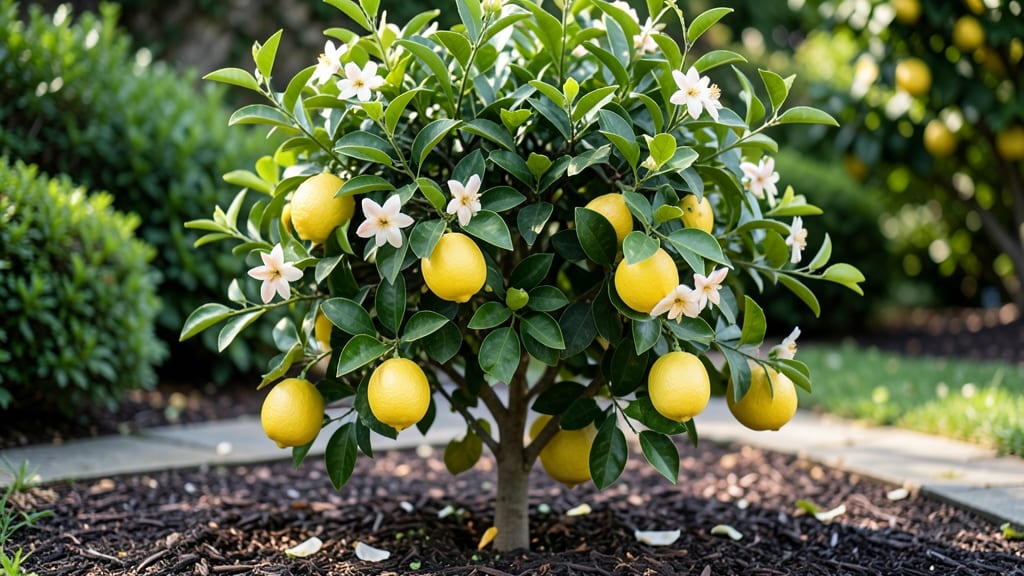
Growing a Meyer lemon tree 🍋 in your zone depends on more than just the USDA map—it’s about understanding its cold tolerance, container hacks, and microclimates that can push its limits.
Dreaming of growing your own Meyer lemons but unsure if your climate is right? These cold-hardy citrus trees thrive in surprising zones—and with the right container tricks, you can expand their range even further.
Here’s the truth: while Meyer lemons love zones 9b-11 (where they’re frost-free year-round), they can survive in 8a-10b with care. The key? Containers, mulch, and knowing exactly when to bring them indoors.
Below, I’ll break down the exact temperature thresholds, container size rules, and winter protection strategies that let you grow lemons even in cooler climates—plus the 5 mistakes that kill trees in marginal zones.
Meyer lemon tree USDA hardiness zones explained (with exact temperature limits)
If you've ever dreamed of harvesting sweet, juicy Meyer lemons from your own backyard, understanding their USDA hardiness zones is your first step. Unlike traditional lemons, Meyer lemons are far more cold-tolerant, making them possible to grow in zones where regular citrus would perish.
Their native range spans zones 9b through 11, but with the right care, they can thrive even in cooler microclimates.
Meyer lemon trees prefer warm climates but can handle brief dips below freezing—unlike their more delicate cousins. The key difference lies in their ability to survive temperatures as low as 20°F (-6.7°C) for short periods, though prolonged cold will still cause damage.
This resilience opens doors for gardeners in zones 8a and up, especially when using containers and winter protection strategies.
Comparison Table: Meyer Lemon vs. Regular Lemon Cold Tolerance
The USDA hardiness zone map shows Meyer lemons thriving naturally in zones 9b-11, which includes regions like Southern California, Florida, and coastal Texas. However, their adaptability means you can push their limits in zones as cold as 8a—think Atlanta, Dallas, or Phoenix—with proper winter protection.
The key is understanding your last frost date and preparing accordingly.
In zone 9a and below, Meyer lemons become riskier to grow outdoors year-round. Here, gardeners rely on container growing and moving trees indoors during winter.
A 15-gallon pot with wheels makes this transition easier, allowing you to roll your tree into a garage or sunroom when temperatures dip below 30°F (-1°C). This strategy works surprisingly well in zone 8b, where many gardeners report successful harvests.
Microclimates play a huge role in expanding a Meyer lemon's range. A south-facing wall, greenhouse shelter, or even a large patio container can create a 5-10°F warmer environment than the surrounding area.
For example, in zone 8a (e.g., St. Louis or Denver), placing your tree against a brick wall can add enough warmth to protect it from light frosts.
Pair this with a thick mulch layer and a frost blanket, and you've created a microclimate that mimics their native Mediterranean conditions.
When temperatures drop below 20°F (-6.7°C), even Meyer lemons will suffer. The first signs of frost damage are blackened leaves and brown stems, but the tree's wood can often recover if the cold isn't prolonged.
In contrast, regular lemons die back completely at 28°F (-2.2°C), making Meyer lemons the clear winner for cooler climates. This resilience is why so many gardeners in zone 9a swear by Meyer lemons—where regular citrus would fail, these trees often survive with minimal intervention.
For gardeners in zone 10b and above, Meyer lemons grow with minimal fuss, producing fruit year-round. In these warmer climates, the main challenge shifts to water management and pest control, not cold tolerance.
However, even here, a light frost can set back growth, so monitoring weather forecasts is key. In zone 11, where frosts are rare, Meyer lemons grow vigorously, often reaching their mature height of 8-12 feet within 3-5 years.
One common misconception is that Meyer lemons can handle cold like dwarf citrus varieties. While they are more cold-hardy than most citrus, they still need protection in zone 8a and below. The secret to success in cooler zones lies in pre
How to grow Meyer lemons in containers outside their native zones (zone 8 & colder)
Growing Meyer lemon trees in Zone 8 and colder is absolutely possible with the right container setup and winter care. Unlike their tropical cousins, these cold-hardy citrus varieties can survive brief dips below 20°F—but only when properly contained.
The key lies in replicating their Mediterranean climate needs while protecting them from harsh winters.
Start with a 15-gallon or larger container to give roots room to spread and stabilize. Dwarf varieties like 'Improved Meyer' are ideal for smaller spaces, maturing at just 6-8 feet tall.
Use a well-draining potting mix with perlite or sand to mimic sandy Mediterranean soils. This prevents waterlogged roots, which are a common killer in cooler climates.
✅ Key Takeaway: Container Success in Cold Zones
- Pot Size: 15+ gallons (minimum 18" diameter)
- Soil Mix: 60% potting soil + 30% perlite + 10% compost
- Winter Protection: Move indoors (50°F+) or insulate pots with bubble wrap
- Sunlight: 6+ hours daily (south-facing window or grow lights)
- Watering: Reduce in winter (let top 2" dry)
"Cold-hardy doesn't mean frost-proof—containers freeze faster than in-ground plants!"
For winter protection, your first line of defense is insulating the pot. Wrap the container (except the top) in bubble wrap or frost cloth to slow heat loss. In Zone 7 and colder, bring your tree indoors near a south-facing window where temperatures stay above 50°F.
If indoor space is limited, a garage with grow lights works too—just supplement with LED grow bulbs for 12 hours daily.
Don’t forget to reduce watering in winter—overwatering stressed roots is a fast track to root rot. Let the top 2 inches of soil dry between waterings, and avoid fertilizing entirely during dormancy.
Resume feeding in early spring with a citrus-specific fertilizer to kickstart growth. A balanced 6-6-6 NPK ratio works well for container-grown Meyer lemons.
One of my favorite tricks for Zone 8 gardeners is to plant the container in ground-level beds during summer. This mimics in-ground conditions while still allowing easy winter relocation. Just ensure the bed has excellent drainage—citrus trees hate soggy feet.
In Zone 7 and below, consider a heated pot mat (like those used for indoor herbs) to maintain root zone temperatures above 40°F.
With these adjustments, you can enjoy homegrown Meyer lemons even in Zone 5—yes, really! The secret is patience and attention to detail. Start small with a dwarf variety, master your container setup, and gradually expand as you gain confidence.
Before you know it, you’ll be harvesting sweet, juicy lemons year-round, regardless of your hardiness zone. 🍋