
Pruning
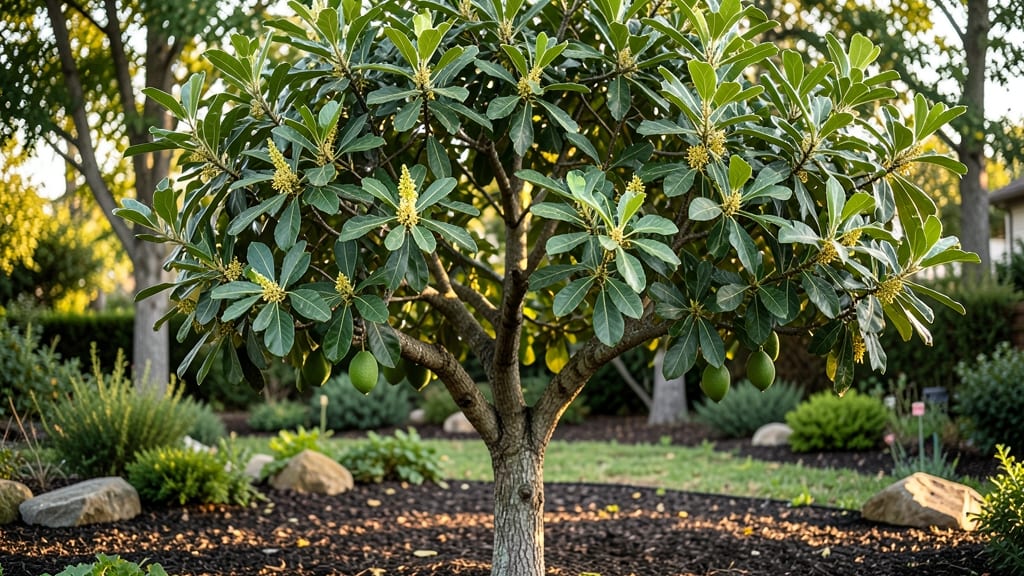
An avocado tree produces fruit between 4 and 13 years after planting, depending on the variety and care you provide 🥑 — and yes, that timeline can feel agonizingly long if you’re impatient for that first harvest.
If you’ve ever planted an avocado pit hoping for a homegrown fruit harvest, you’ve likely wondered: Why isn’t my avocado tree producing fruit yet? The answer depends on the variety, care, and patience—because some trees take years before bearing their first delicious reward.
For example, Hass avocados, the most popular variety, usually start fruiting around 5 to 7 years in ideal conditions, while others like Fuerte or Bacon may take even longer. Climate, soil, and proper pollination all play a role in speeding up—or delaying—that first harvest.
Below, I’ll break down the exact timeline by variety, the signs your tree is ready to fruit, and the key care steps to encourage faster production. Spoiler: It’s not just about waiting—it’s about setting your tree up for success from day one.
Avocado tree fruit production timeline by variety: when to expect harvests
Growing an avocado tree from a pit is rewarding, but patience is key—especially when it comes to fruit production. Most homegrown avocado trees won’t bear fruit until they’re 4 to 13 years old, depending on the variety and growing conditions.
The Hass variety, for example, is the most common and typically produces its first fruit in 5 to 7 years, while older varieties like Fuerte may take 3 to 5 years under ideal conditions.
Climate plays a huge role in timing. Trees in USDA Zones 9b-11 (like California or Florida) fruit faster due to longer growing seasons, while those in cooler zones (like Zone 8b) may take 2 to 3 extra years.
Even with perfect care, some trees never fruit if they lack proper pollination or nutrients. Understanding your variety’s timeline helps manage expectations and optimize care for a successful harvest.
| Variety | Years to First Fruit | Peak Harvest Window | Climate Zone Notes |
|---|---|---|---|
| Hass | 5–7 years | Late fall to winter | Best in Zones 9b–11; slower in Zone 8b |
| Fuerte | 3–5 years | Summer to early fall | Thrives in Zones 9a–11; needs warm winters |
| Bacon | 6–9 years | Winter (cooler climates) | Requires frost-free winters; Zone 10+ ideal |
| Reed | 4–6 years | Late summer | Adaptable to Zones 8b–11; drought-tolerant |
| Zutano | 7–10 years | Fall | Needs warm, humid climates; Zone 10+ |
The Hass variety dominates home gardens because it’s hardy and produces fruit reliably once mature.
However, it requires both Type A and Type B flowers for pollination—meaning you may need to plant two trees (or a nearby neighbor’s) to ensure fruit set. Fuerte, on the other hand, is self-pollinating and fruits earlier, making it a great choice for impatient gardeners in warmer zones.
If you’re in a cooler climate (like Zone 8b), expect delays.
For example, a Hass tree in Southern California might fruit in 5 years, while the same tree in Arizona could take 7+ years due to heat stress. Bacon and Zutano varieties are less common but prized for their flavor—though they demand consistent warmth and may never fruit in frost-prone areas.
One common misconception is that avocado trees fruit annually like citrus. In reality, they often produce heavy crops every 2 years followed by lighter years—a natural cycle called alternate bearing.
This is normal and doesn’t mean your tree is unhealthy. To encourage regular fruiting, focus on balanced fertilization (especially potassium) and pruning to improve airflow.
For container-grown trees, fruiting timelines stretch even longer—often 10+ yearsdwarf variety in a pot, expect 3–5 extra years compared to in-ground trees. Always choose a container with drainage holes and repot every 2–3 years to accommodate growth.
Signs your tree is ready to fruit include a trunk diameter of 4+ inches, dark green leaves, and clusters of yellow-green flowers in spring. If you see flowers but no fruit, check for pollination issues or nutrient deficiencies (like zinc or boron).
A soil test can reveal gaps—avocados need slightly acidic soil (pH 6.0–7.0) for optimal fruiting.
Patience is the biggest challenge with avocado trees, but the payoff—juicy, homegrown fruit—is worth the wait. Start by choosing the right variety for your zone, then prioritize sunlight, water, and soil health.
With consistent care, your tree will eventually reward you with a bountiful harvest, whether in 5 years or 10.
Key factors that speed up or delay avocado fruit production
Your avocado tree’s fruiting timeline isn’t set in stone—it’s heavily influenced by five critical factors you control. Whether your tree is 4 years old or 10 years old, neglecting these can delay fruit production by years.
Let’s break down the most impactful elements that determine when (or if) your tree will bear those creamy, delicious avocados.
First, pollination requirements are often misunderstood. Avocado trees are self-unfruitful in most cases, meaning they need two compatible varieties (Type A and Type B) to cross-pollinate. Without this, your tree might flower but produce no fruit.
Even if you have one tree, planting a second variety within 50 feet can dramatically speed up fruiting.
⚠️ Pros and Cons of Avocado Fruit Production Factors ⚠️
- ✔️ Type A + B pollination: Ensures cross-pollination for fruit set
- ✔️ Soil pH 6.0-7.0: Optimal for nutrient uptake and root health
- ✔️ Deep watering (15-20 gal): Prevents stress during flowering/fruiting
- ✔️ 6+ hours sunlight: Boosts energy for flower and fruit development
- ✔️ Prune in late winter: Removes deadwood, improves air circulation
- ✖️ Single variety planted: No cross-pollination = no fruit
- ✖️ Soil pH <5.5 or >7.5: Nutrient deficiencies stall growth
- ✖️ Shallow watering: Causes root stress and flower drop
- ✖️ <4 hours sunlight: Weakens tree’s ability to fruit
- ✖️ Over-pruning: Removes too many leaves, reducing photosynthesis
Next, soil pH plays a surprising role. Avocado trees thrive in slightly acidic to neutral soil (pH 6.0-7.0). If your soil is too acidic (<5.5) or alkaline (>7.5), your tree struggles to absorb essential nutrients like nitrogen and phosphorus, which directly impacts flower production.
Test your soil annually—adjusting pH with lime (to raise) or sulfur (to lower) can jumpstart fruiting within a season.
Watering needs are another common pitfall. Avocados need deep, infrequent watering—not light, frequent showers. Young trees require 15-20 gallons every 7-10 days, while mature trees need 50+ gallons.
Overwatering causes root rot, while underwatering stresses the tree, leading to dropped flowers or small, undeveloped fruit. Use a moisture meter to check soil depth (aim for 4-6 inches dry between waterings).
Sunlight exposure is non-negotiable. Avocado trees demand 6+ hours of direct sunlight daily to produce fruit. In partial shade, trees grow slowly, flower poorly, and may never bear fruit.
If you’re growing in a container, place it near a south-facing window or supplement with grow lights (12+ hours/day). Even a few hours of shade can delay fruiting by 2-3 years.
Finally, pruning techniques directly impact fruit production. Prune in late winter to remove dead, diseased, or crossing branches. Avoid heavy pruning during fruiting season, as it reduces photosynthesis and weakens the tree.
Instead, focus on shaping the canopy to improve air circulation, which prevents fungal diseases that can kill flowers before they set fruit. A well-pruned tree can start bearing fruit 1-2 years earlier than a neglected one.
By mastering these five factors, you’ll give your avocado tree the best chance to produce fruit—whether it’s 4 years or 10 years down the line.
Start with pollination and soil pH, then refine watering and sunlight. Your patience will pay off with a tree heavy with delicious avocados! 🥑