
How To
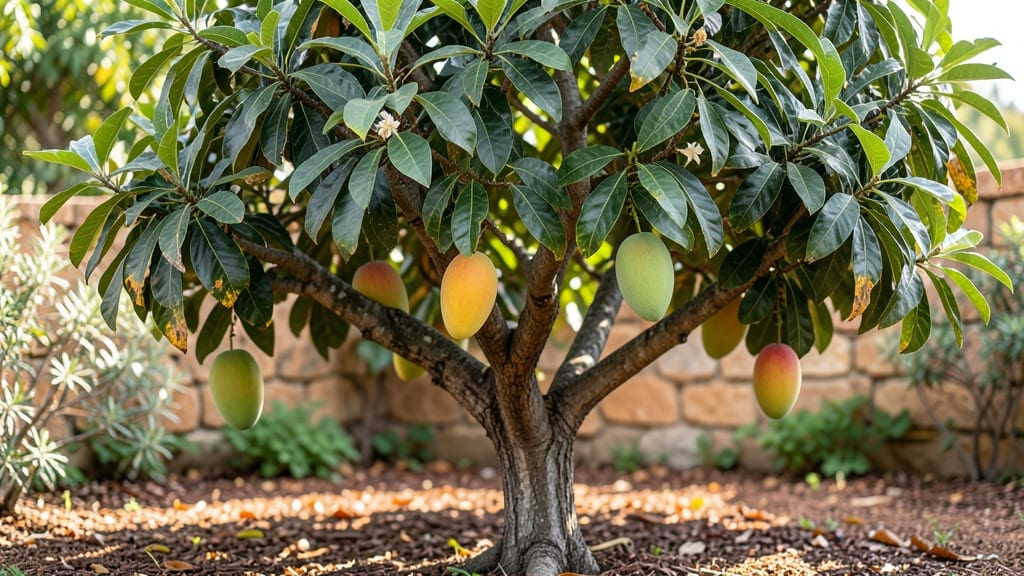
How tall a mango tree can grow depends wildly—from just 8 feet to soaring over 100 feet, depending on the variety and where it’s planted. If you're dreaming of a tropical backyard oasis with sweet, juicy mangoes, knowing how tall your mango tree could grow is the first step—because some varieties reach skyscraper heights while others stay manageable for small gardens. 🥭
Dwarf varieties like 'Irwin' max out around 15 feet, making them perfect for containers or urban yards, while standard types like 'Keitt' or 'Haden' can stretch toward the clouds if left unchecked. The difference isn’t just about space—it’s about sunlight, soil, and how much you’re willing to prune.
In this guide, I’ll break down exact height ranges by variety, how climate zones shape growth, and the simple pruning tricks to keep your tree at your ideal height—whether that’s a 10-foot shade tree or a 30-foot fruit factory.


Mango tree height by variety: from dwarf to giant sizes
Choosing the right mango variety isn't just about flavor—it's about space! Some mango trees grow taller than a 6-story building, while others stay compact enough for container gardening. If you're working with limited yard space, dwarf varieties like 'Irwin' can thrive in 5-gallon pots and still produce fruit.
On the other hand, standard varieties like 'Keitt' can reach 100 feet in ideal conditions, requiring commercial orchards or large estates.
The height of your mango tree depends on three key factors: genetics (variety), pruning habits, and climate conditions. For example, a 'Cogshall' mango tree might stay under 20 feet with regular pruning, while a 'Haden' left unchecked could soar past 50 feet.
Even within the same variety, grafting techniques can influence final height—dwarf rootstocks force the tree to stay small, regardless of the scion's natural size.
Below, I’ve compiled a comparison table of 10 popular mango varieties, including their mature heights, growth rates, and ideal climates. This will help you visualize how each variety fits into your garden or patio setup.
| Variety | Mature Height | Growth Rate (Annual) | Best Climate Zones | Notes |
|---|---|---|---|---|
| 'Irwin' | 8–15 ft | 1–2 ft/year | USDA 10–11 | Dwarf variety; great for containers. |
| 'Cogshall' | 15–25 ft | 2–3 ft/year | USDA 10–11 | Semi-dwarf; cold-hardy for mango trees. |
| 'Haden' | 30–50 ft | 3–5 ft/year | USDA 10–11 | Standard size; needs pruning. |
| 'Keitt' | 40–60 ft | 4–6 ft/year | USDA 10–11 | Giant variety; requires large spaces. |
| 'Valencia Pride' | 25–40 ft | 2–4 ft/year | USDA 10–11 | Cold-tolerant; early fruiting. |
| 'Julie' | 10–18 ft | 1–2 ft/year | USDA 10–11 | Dwarf; small fruit, high yield. |
| 'Kent' | 30–50 ft | 3–5 ft/year | USDA 10–11 | Standard; thick skin, shipping-friendly. |
| 'Ataulfo' | 20–35 ft |
Climate zones that affect mango tree growth heightYour mango tree's height isn't just about genetics—it's heavily influenced by your USDA climate zone. In zones 10-11, where frost is rare, trees thrive and can reach their full 30-100 ft potential. But in cooler zones like 8 or 9, growth slows dramatically, often capping at 15-25 ft unless you take special care. Temperature swings matter too. Mangoes love consistent warmth, so regions with hot summers and mild winters (like Florida or Southern California) produce the tallest, most vigorous trees. Even a single 28°F frost can kill young trees, while seasonal droughts stunt growth permanently. Here's how your location impacts mango tree height, from tropical paradise to cool-climate challenges: In zone 11, where I grow my 'Haden' mango, trees grow like weeds—adding 5+ feet annually with minimal effort. The key is year-round warmth and no frost risk. Even in zone 10, like Southern California, expect 20-30 ft trees by maturity if planted in microclimates (like near heat-retaining walls). Cooler zones require container growing or dwarf varieties like 'Irwin', which max out at 12-15 ft. I've seen these thrive in zone 8 when winter-protected with row covers or moved indoors. The trade-off? Slower growth and smaller fruit—but still possible! Seasonal swings also matter. Mangoes in Florida's humid summers grow faster than those in California's dry heat. If you're in a transitional zone (like zone 9), choose early-bearing varieties like 'Cogshall'—they fruit sooner and handle cooler temps better. Pro tip: Wind exposure affects height too! Coastal areas often produce shorter, bushier trees due to salt spray and wind pruning. Inland trees, like those in Central Florida, grow taller with straighter trunks—perfect for urban landscapes where space isn't an issue. |