
How To
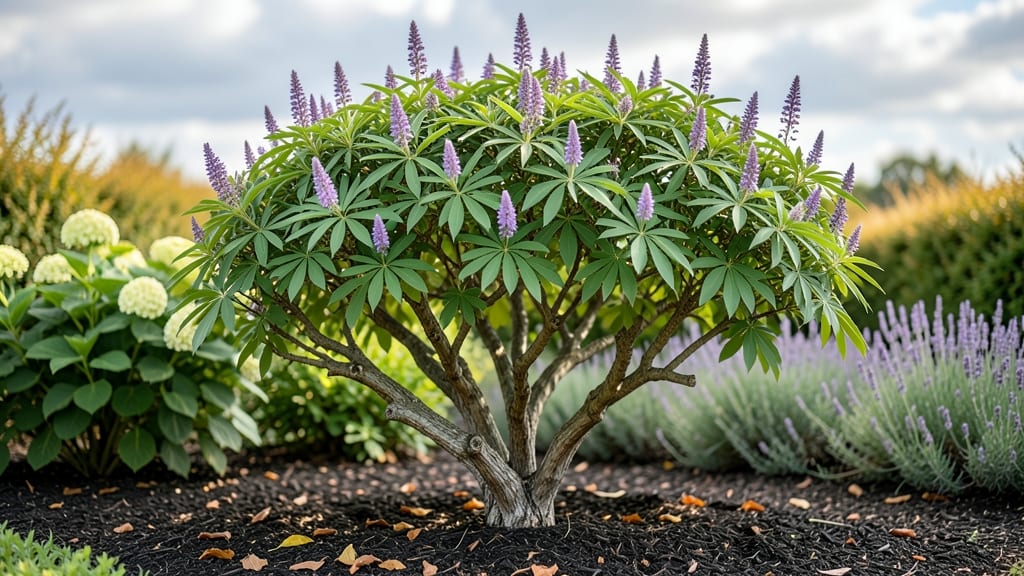
How tall does a vitex tree grow? It typically reaches heights between 6 and 12 feet, depending on the variety, but some can stretch over 30 feet if left unchecked.
If you’re eyeing this striking shrub for your yard, you might be surprised by how quickly it can outgrow its welcome—especially in warmer climates where growth is faster.
The good news? Pruning isn’t just about keeping it in line; it’s the key to shaping its size and encouraging bushier, fuller foliage.
Not all vitex varieties play by the same rules. Some stay compact, making them perfect for small spaces, while others stretch skyward like a small tree. Understanding these differences—and how soil, sunlight, and pruning habits affect growth—will help you pick the right one for your landscape.
Below, I’ll break down the exact heights by variety, how fast they grow, and the simple pruning tricks to control their size—so you can enjoy that purple blooms without the overgrown headache.


Vitex tree height by variety: exact mature sizes and growth rates
When planning your garden, understanding vitex tree height is essential—especially since varieties range from 6-foot shrubs to 30-foot giants. The most popular type, Vitex agnus-castus (chaste tree), typically reaches 10–15 feet at maturity, while coastal vitex (Vitex rotundifolia) stays shorter at 3–6 feet.
Growth rates also vary, with some varieties adding 2–3 feet per year in ideal conditions.
Your vitex’s final height depends on three key factors: variety selection, pruning practices, and growing conditions. For example, Vitex ‘Purple Top’ grows slower than Vitex ‘Shinto’, making it better for smaller landscapes.
Meanwhile, unpruned vitex can become leggy and overgrown, so regular maintenance is critical for controlling its size.
Below is a detailed comparison of the most common vitex varieties, including their mature heights, growth rates, and ideal spacing to prevent overcrowding.
Use this as your guide to choose the perfect vitex for your yard—whether you want a privacy screen, shrub border, or container plant.
If you’re wondering, “Does vitex grow fast?”, the answer depends on the variety. Vitex ‘Shinto’ and ‘Emerald Sentinel’ are the fastest growers, adding up to 3 feet per year in ideal conditions (full sun, well-draining soil, and regular watering).
In contrast, Vitex rotundifolia grows more slowly, making it ideal for coastal gardens where space is limited.
For small-space gardening, focus on dwarf varieties like ‘Purple Top’ or ‘Shinto’ (when pruned aggressively). These stay under 8 feet and can even thrive in large containers (15–20 gallon pots). Just ensure the container has drainage holes and use a balanced fertilizer to encourage compact growth.
One common mistake is assuming all vitex trees grow tall. Vitex rotundifolia, for example, is naturally low-growing and spreads wider than it grows—perfect for ground cover in sunny, sandy soils.
Meanwhile, Vitex agnus-castus can become over 20 feet if left unpruned, so plan accordingly if you want a smaller, manageable shrub.
To maximize your vitex’s potential, plant it in well-draining soil with full sun exposure. Amend heavy clay soil with compost or sand to prevent root rot, which can stunt growth. Also, avoid overwatering—vitex is drought-tolerant once established, so deep watering once a week
How pruning affects vitex tree height: techniques to control growth
Pruning is the most effective way to control your vitex tree height and shape. Without proper pruning, vitex can grow uncontrollably tall, reaching up to 12 feet or more in ideal conditions.
But with the right techniques, you can keep it compact, encourage bushier growth, or even maintain it as a small shrub. The key is understanding when and how to prune for your specific goals.
Most gardeners make the mistake of pruning at the wrong time or using the wrong method. For example, hard pruning in late summer can stunt growth, while light pruning in early spring promotes healthy new branches.
The timing and intensity of your cuts directly impact how tall your vitex will grow and how quickly it fills out. Let’s break down the best practices to keep your vitex at your desired height.
- 1 Timing is everything: Prune vitex in late winter or early spring (just before new growth begins) for best results. Avoid pruning in fall or winter, as this can leave branches vulnerable to cold damage and disease. Summer pruning is possible but should be light and strategic to avoid stressing the plant.
- 2 Use the right tools: Always use clean, sharp pruning shears or loppers to make clean cuts at a 45-degree angle. Dull tools can crush branches, leading to poor healing and disease. Disinfect your tools with rubbing alcohol between cuts to prevent spreading pathogens.
- 3 Hard vs. soft pruning: For taller vitex control, use hard pruning in late winter—cut back 1/3 to 1/2 of the plant’s height to encourage bushier growth. For maintenance pruning, trim only dead or overgrown branches throughout the growing season to keep it at a manageable height.
- 4 Encourage fullness: To make your vitex wider and bushier, prune the tallest branches back to just above a leaf node. This stimulates lateral growth and creates a denser, more balanced shape. Avoid pruning too close to the trunk, as this can harm the plant.
- 5 Avoid common mistakes: Never prune more than 1/3 of the plant at once, as this can shock the vitex and slow its growth. Also, avoid pruning in wet weather, which can spread fungal diseases. If you want a smaller vitex, focus on regular light pruning rather than one heavy cut.
If you’re aiming for a vitex tree height under 6 feet, combine annual hard pruning with summer tip trimming to control vertical growth.
For example, prune back the tallest branches by half their length in early spring, then trim any new shoots that exceed your desired height in mid-summer. This two-step approach keeps vitex compact and manageable while encouraging a fuller shape.
One of the biggest mistakes I see is over-pruning in summer, which can stress the plant and reduce flowering. Vitex blooms on new wood, so pruning too late in the season can limit your purple flower display.
Instead, focus on light shaping pruning in early summer to maintain height without sacrificing blooms. Always leave at least one set of leaves on each branch to support photosynthesis.
For container-grown vitex, pruning is even more critical. Since space is limited, prune aggressively in early spring to keep the plant under 4-5 feet tall.
Use a balanced pruning approach: cut back 1/3 of the oldest branches to encourage new growth while trimming new shoots to maintain shape. Regular pruning also prevents the plant from becoming top-heavy and unstable in pots.
Remember, vitex responds well to pruning but doesn’t tolerate neglect. If you skip pruning for a few years, you’ll end up with a tall, leggy tree that’s difficult to reshape. Start with light pruning in the first year to establish good habits, and gradually increase intensity as the plant matures.
With the right approach, you can enjoy a vitex tree height that fits your space perfectly—whether you want a small shrub or a medium-sized tree. ✂️🌿