
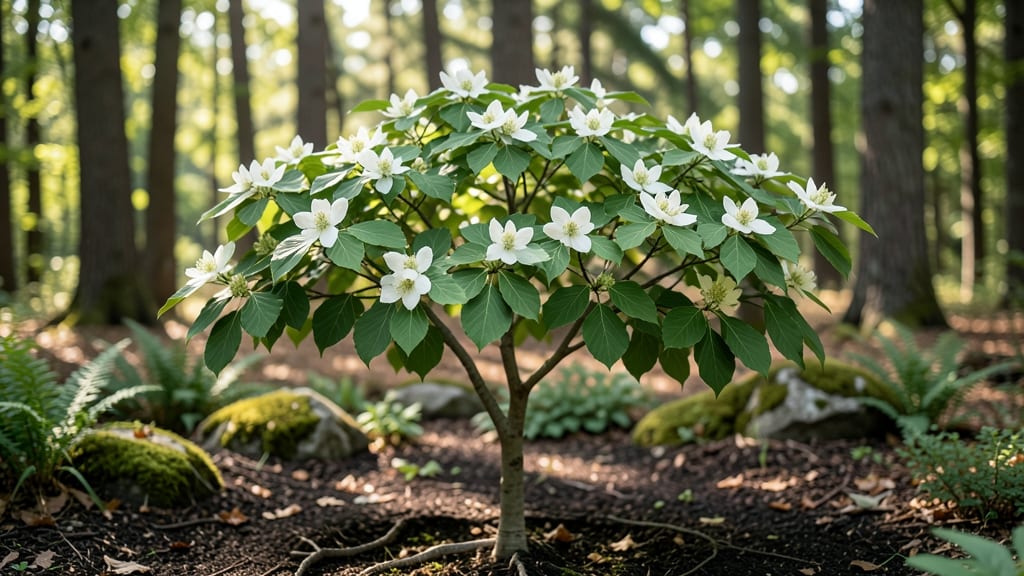
How Tall Do Dogwood Trees Grow: Exact Heights by Variety & Growth Habits

How To

How Tall Do Dogwood Trees Grow: Exact Heights by Variety & Growth Habits

How tall does a dogwood tree grow? At maturity, these trees typically reach heights between 15 and 30 feet, making them a stunning yet space-conscious choice for your landscape.

If you’re dreaming of a shade-providing, floral masterpiece for your yard, dogwood trees are a top choice—but their mature height can vary dramatically depending on the variety. Before planting, knowing exactly how tall your dogwood will grow ensures you pick the perfect spot for its full potential.

For example, the classic Cornus florida reaches 20 to 30 feet, while dwarf varieties like ‘Rutledge’ stay under 12 feet. This means whether you have a small garden or a sprawling backyard, there’s a dogwood to fit your space.

Below, we’ll break down the height ranges by species, how growth rates change over time, and the best ways to manage size with pruning—so you can plan your planting with confidence.

Dwarf
8-12 ft
Container friendly
Semi-Dwarf
12-18 ft
Most popular
Standard
20-30 ft
Full orchard size

Dogwood tree height by variety: mature sizes compared

Choosing the right dogwood variety depends heavily on your yard’s space and vision. Flowering dogwoods (Cornus florida) can reach 20-30 feet tall, while Kousa dogwoods (Cornus kousa) often stay shorter at 15-25 feet.

Even within these species, dwarf varieties exist that top out at just 8-12 feet, making them perfect for smaller gardens. Understanding these height differences helps you avoid planting a towering tree where it’ll overshadow your patio in 10 years.

I’ve planted dogwoods in my own yard, and the height differences between varieties are stunning. A standard flowering dogwood can become a 25-foot shade giant, while a weeping dogwood like ‘Golden Sunset’ drapes elegantly at 15-20 feet.

The key is matching your variety to your space’s sunlight, soil, and long-term growth goals. Below, I’ve compared the most popular types so you can plan with precision.

Variety Mature Height (ft) Spread (ft) Growth Rate (in/yr) Best For
Flowering Dogwood (Cornus florida) 20-30 ft 15-25 ft 12-24 in Large yards, shade trees
Kousa Dogwood (Cornus kousa) 15-25 ft 12-20 ft 10-18 in Urban gardens, smaller spaces
Dwarf Flowering (‘Cherokee Brave’) 8-12 ft 8-10 ft 6-12 in Small yards, containers
Weeping Dogwood (‘Golden Sunset’) 15-20 ft 10-15 ft 10-16 in Specimen planting, focal points
Pacific Dogwood (Cornus nuttallii) 30-40 ft 20-30 ft 18-24 in Large estates, woodland edges
‘Cloud 9’ Dogwood 6-8 ft 4-6 ft 4-8 in Borders, foundation planting
‘Stellar Pink’ Dogwood 15-20 ft 12-18 ft 12-20 in Color accents, mixed borders
‘Aurora’ Dogwood 10-15 ft 8-12 ft 8-14 in Small gardens, containers
‘Rubra’ Dogwood 20-25 ft 15-20 ft 12-18 in Traditional landscapes

How fast do dogwood trees grow? Height progression by age

Dogwood trees grow at different rates depending on their variety and growing conditions, but understanding their year-by-year height progression helps you plan your landscape effectively. In their first few years, these trees focus on root development, which means slower above-ground growth.

By year 5, most dogwoods enter a rapid growth phase that continues until they reach maturity, typically between 15 to 30 feet tall, depending on the species.

For example, the popular Cornus florida (flowering dogwood) can reach 20 to 30 feet at maturity, while dwarf varieties like Cornus florida 'Cherokee Brave' stay under 12 feet. Knowing these growth patterns helps you estimate when your dogwood will provide the shade or floral display you’re dreaming of.

Below, I’ve broken down the typical height progression by age to give you a clear timeline for your landscaping plans.

Age (Years) Average Height Range Growth Rate (Per Year) Key Growth Phase
1 2–3 ft 2–3 ft Root establishment
2 5–8 ft 3–5 ft Early vertical growth
3 10–15 ft 5–7 ft Accelerated growth
5 15–20 ft 3–5 ft Mature height approach
10+ 20–30 ft (standard varieties) 1–3 ft (slower growth) Mature phase

The first 3 years are critical for establishing a strong root system, which directly impacts how tall your dogwood will grow later. During this time, focus on providing well-draining soil and consistent moisture to support healthy growth.

Once your tree reaches year 4 or 5, you’ll notice a significant jump in height, especially if it’s planted in ideal conditions like partial shade with moist, fertile soil.

Factors like sunlight exposure, soil quality, and pruning habits can accelerate or slow down growth. For instance, dogwoods planted in full sun may grow faster but could suffer from heat stress, while those in shadier conditions might grow more slowly but produce more vibrant blooms.

Regular pruning to remove dead or crossing branches can also encourage healthier, upright growth.

If you’re planting a dogwood in a small yard, consider dwarf varieties like 'Rubra' or 'Cherokee Brave', which max out around 8–12 feet. These varieties follow a similar growth progression but stay compact, making them perfect for urban landscapes or foundation plantings.

Always check the specific variety’s growth habits before planting to avoid surprises down the road.

To estimate your dogwood’s future height from a sapling, observe its first-year growth rate. If it gains 2–3 feet in its first year, you can roughly double that rate for the next few years.

However, remember that growth slows as the tree matures, so don’t expect linear progression. With the right care, your dogwood will reward you with stunning spring blooms and years of shade.

★★★★★4.7(1 review)
Categories How To