
How To
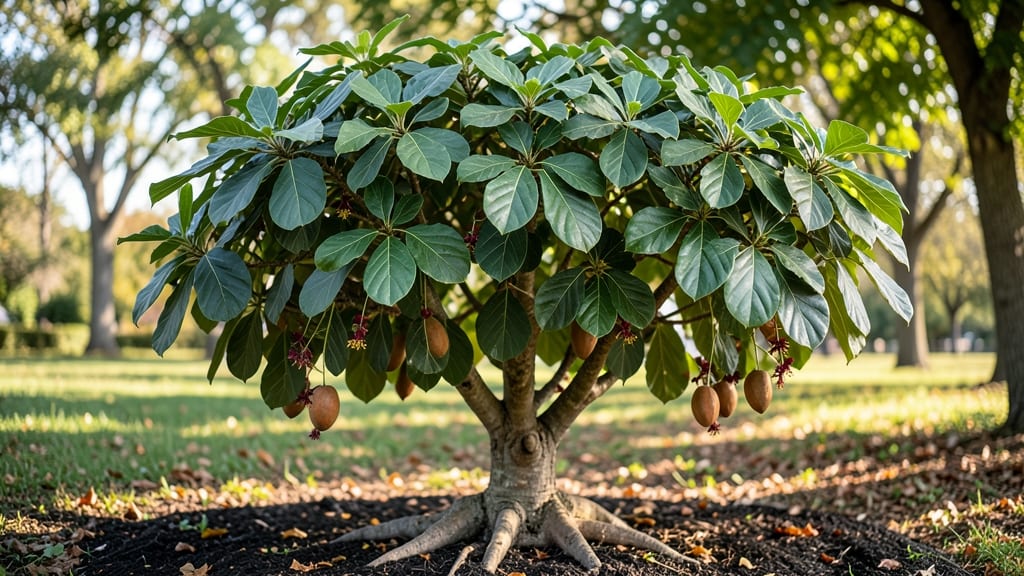
A pawpaw tree how tall does a pawpaw tree grow at maturity can range between 20 and 40 feet, turning your backyard into a tropical fruit haven with minimal effort.
If you're dreaming of growing your own pawpaw trees but wondering whether they’ll tower over your backyard or stay compact enough for containers, you’re in the right place.
These native North American giants pack tropical-flavored fruit but come with surprising height variations—some reaching small tree heights while others grow like shrubs.
The good news? Their slow growth rate—about 1 to 2 feet per year—means you won’t wake up one morning to a 30-foot monster. With the right sunlight, soil, and a little pruning, you can manage their size while still enjoying their delicious harvest.
Below, I’ll break down how tall different pawpaw varieties grow, how to control their height, and why they’re a great fit for gardeners with limited space. Let’s get started!


Pawpaw tree height by variety: exact growth ranges explained
If you're considering adding pawpaw trees (Asimina triloba) to your garden, understanding their mature heights is essential for space planning. These native North American trees can vary dramatically in size depending on the variety, with some reaching towering heights while others remain more manageable.
The average pawpaw tree height ranges from 15 to 40 feet, but specific varieties can be significantly shorter or taller.
Genetics play a major role in determining height, but environmental factors like sunlight exposure, soil quality, and pruning practices can influence growth rates and final stature.
Most pawpaw trees grow about 1 to 2 feet per year, meaning a tree planted today could reach its mature height in 15 to 30 years, depending on growing conditions.
Here’s a breakdown of how different pawpaw varieties compare in terms of mature height, along with key factors that affect their growth. This will help you choose the right variety for your space, whether you have a sprawling backyard or a cozy container garden.
| Variety | Mature Height (ft) | Growth Rate (ft/year) | Notes |
|---|---|---|---|
| Sunflower | 25–35 ft | 1.5–2 ft | Large, vigorous variety; needs space |
| Overleese | 20–30 ft | 1–1.5 ft | Classic variety; reliable fruit production |
| Wilson | 18–25 ft | 1–1.2 ft | Compact for pawpaws; good for smaller yards |
| Pennsylvania Golden | 20–30 ft | 1.2–1.8 ft | Cold-hardy; slower growth in cooler climates |
| SunUp | 15–20 ft | 0.8–1.2 ft | Dwarf-like; ideal for containers or small spaces |
| Keneksberg | 25–35 ft | 1.5–2 ft | Tall and productive; needs full sun |
As you can see, varieties like SunUp and Wilson are among the shorter options, making them ideal for gardens with limited space. Meanwhile, varieties like Sunflower and Keneksberg can grow quite tall, requiring ample room to spread their roots and branches.
If you're planting in a small urban garden, consider dwarf-like varieties or plan for regular pruning to manage height.
Sunlight is another critical factor influencing height. Pawpaw trees thrive in partial shade but grow faster and taller with full sun exposure. In shady conditions, growth rates slow, and mature heights may be on the shorter end of the range.
For example, a Sunflower variety in full sun might reach 35 feet, while the same tree in partial shade could max out at 25 feet.
Soil quality also plays a role. Pawpaw trees prefer well-draining, slightly acidic soil (pH 6.0–6.5). Poor soil conditions can stunt growth, while rich, organic soil promotes faster and healthier development.
If your soil is heavy clay or sandy, amending it with compost can help support optimal growth rates and final height.
Pruning is another tool to manage height, especially for varieties that tend to grow tall. By pruning in late winter or early spring, you can control vertical growth and encourage a bushier shape.
For container-growing, regular pruning is essential to keep the tree within bounds and prevent it from outgrowing its space.
If you're planting multiple pawpaw trees, spacing is key. Standard varieties need at least 15–20 feet between trees to allow for proper airflow and root development. This spacing also helps prevent overcrowding, which can lead to stunted growth or disease issues.
For dwarf varieties like SunUp, you can reduce spacing to 10–12 feet.
Remember, pawpaw trees are slow growers compared to many fruit trees, so patience is key. With the right variety and growing conditions, you can enjoy a productive pawpaw tree that fits perfectly in your garden—whether it’s a towering giant or a compact container specimen.
How to control pawpaw tree height: pruning tips for small spaces
If your pawpaw tree is outgrowing its space, don’t worry—pruning is the key to keeping it manageable. These trees can reach 20-40 feet tall, but with the right techniques, you can shape them to fit even small yards or containers.
The best time to prune is late winter or early spring, just before new growth begins. This timing ensures you encourage healthy, controlled growth while maximizing fruit production.
Start by removing any dead, diseased, or crossing branches first. These can stunt growth and invite pests. Next, focus on heading cuts—trimming back the tips of branches to promote bushier growth. For container-grown pawpaws, keep the height under 6-8 feet by pruning aggressively in early spring.
Urban gardeners should also prune to improve air circulation, reducing the risk of fungal diseases that thrive in dense foliage.
- Step 1: Remove Deadwood – Cut out any dead or diseased branches at the base using sterilized pruners. This prevents the spread of disease and improves airflow.
- Step 2: Thin the Canopy – Selectively remove 10-20% of branches to open up the tree’s center. Focus on vertical branches to encourage a more compact shape.
- Step 3: Head Back Branches – Trim 1/3 of the current year’s growth on lateral branches to promote bushier, fruit-bearing growth. Avoid cutting into old wood.
- Step 4: Shape for Containers – If growing in pots, prune to keep height under 6-8 feet. Use support stakes to guide growth direction.
- Step 5: Post-Pruning Care – Apply wound dressing to larger cuts and water deeply. Monitor for new growth in 4-6 weeks to assess pruning success.
For maximum fruit production, avoid heavy pruning during the fruiting season (late summer). Instead, focus on structural pruning in winter to maintain a balanced shape. Pawpaws respond well to regular light pruning, so don’t hesitate to trim throughout the year if needed.
Just remember: less aggressive pruning in the first few years allows the tree to establish a strong root system.
If you’re growing pawpaws in containers, choose dwarfing rootstock (though true dwarf varieties are rare) and prune roots annually to keep them contained. Use a large pot (20+ gallons) with drainage holes and repot every 2-3 years to refresh the soil.
Container-grown pawpaws may need more frequent pruning to prevent root-bound stress.
One common mistake is pruning too late in the season, which can stimulate late-season growth vulnerable to frost damage. Always prune before buds swell in early spring. For urban gardens, consider espalier training to grow pawpaws flat against a fence or wall, saving space while maintaining height control.
This method works beautifully for compact varieties like 'Sunflower' or 'Overleese'.
With consistent pruning, your pawpaw tree can thrive in even the smallest spaces. Start small, observe how the tree responds, and adjust your approach yearly. Soon, you’ll have a well-shaped, fruit-bearing tree that fits perfectly in your garden—no towering giant required! 🌿✂️🌳