
Plants
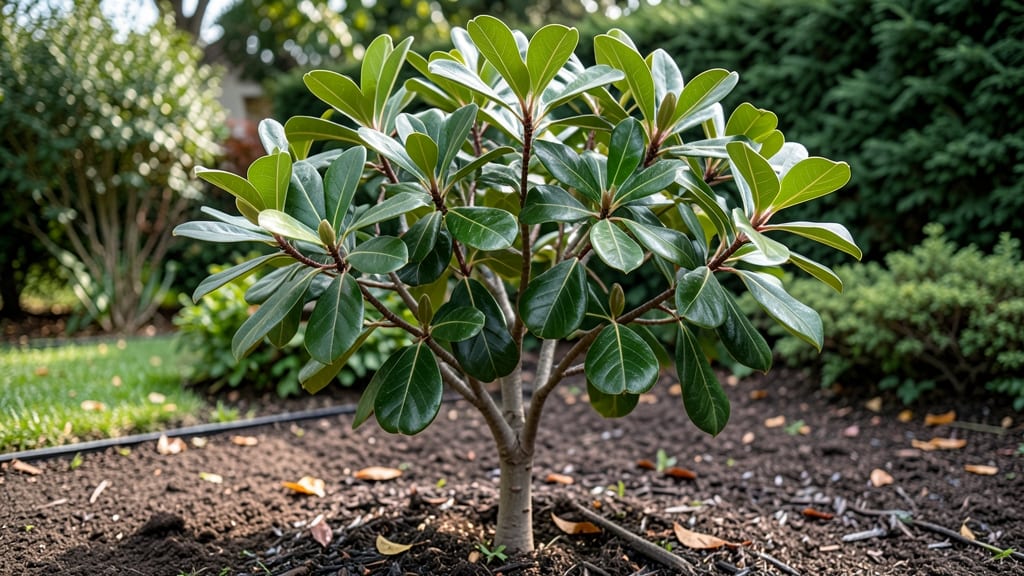
A young magnolia tree—what does a young magnolia tree look like?—starts with smooth, cinnamon-brown bark that feels almost velvety to touch—nothing like the rough, furrowed texture of older trees. 🌱 The leaves are the real giveaway: glossy, deep green, and oval-shaped with a slight point at the tip, almost like a smaller, shinier version of its adult self.
If you spot tiny, cup-shaped buds forming in late winter, that’s your confirmation—this isn’t just any sapling. What sets it apart from other young trees is its slow but steady growth habit—think 12 to 24 inches per year, with a naturally upright, vase-like shape.
The branches spread gently, never looking crowded or chaotic, even when young. Unlike willows or maples, magnolias hold onto their leaves late into fall, giving them away long before spring blooms arrive.
You’ll know you’ve got the right spot when the tree starts sending up pink or white buds by its third or fourth year—sometimes even earlier in warmer climates.
These early blooms are delicate, often just a few inches wide, but they’re a dead giveaway that this isn’t an oak or a pine. The scent alone, when they open, is enough to sell the deal.
Plant it where it gets morning sun and afternoon shade, especially in hotter zones, and keep the soil moist but well-draining. Young magnolias are fussier about water than older trees, so a good mulch ring helps lock in moisture while protecting those tender roots.
Patience is key—they’ll reward you with showstopping blooms in just a few short years.
What Shapes a Young Magnolia
Young magnolia trees are like nature’s living masterpieces—delicate, full of promise, and often misunderstood. If you’re expecting a towering, blooming giant but instead see a scrappy little sapling, don’t panic! Several key factors influence how a young magnolia develops, from its genetics to its environment.
Let’s break down the science behind its early growth stages so you can nurture it (or spot it) like a pro. 🌱🔍
A young magnolia’s appearance starts with its DNA. Different species and cultivars grow at vastly different rates and exhibit unique traits:
- Species Matters: Southern magnolias (Magnolia grandiflora) grow slower and larger, while saucer magnolias (Magnolia × soulangeana) bloom earlier but may have a bushier form. Pro Tip: Check your tree’s species—it’s often labeled on the nursery tag!
- Hybrid Traits: Many young magnolias are hybrids (like Magnolia × brooklynensis), blending characteristics from parent trees. This can result in thinner bark, smaller leaves, or earlier flowering.
- Dwarf Varieties: Some magnolias are bred to stay compact (e.g., Magnolia ‘Little Gem’). If yours is tiny, it might just be genetically predisposed to slow growth.
Actionable Tip: If you’re unsure of your tree’s type, snap a photo of its leaves, buds, and bark and compare it to a magnolia database.
Magnolias are not fast growers—especially in their first few years. Here’s what to expect at each stage:
| Age | Height | Key Traits |
|---|---|---|
| 1–2 years | 1–3 feet |
|
| 3–5 years | 3–6 feet |
|
| 5+ years | 6–10+ feet |
|
Why It Takes Time: Magnolias allocate energy to root growth first. In the wild, this helps them compete for nutrients and water. In your yard, patience pays off—skipping this phase can lead to weak, leggy trees. 🌳⏳
Magnolias are finicky about their environment. If your young tree looks stunted or stressed, these factors might be to blame:
- Temperature Zones: Most magnolias thrive in USDA zones 5–9. If you’re in zone 4 or below, growth will be very slow until roots establish. Pro Tip: Mulch heavily in winter to insulate roots!
- Sunlight Needs:
- Too much sun (e.g., >6 hours/day) can scorch leaves, causing them to look dull or curled.
- Too little sun (e.g., deep shade) leads to sparse growth and fewer blooms.
- Soil pH and Drainage: Magnolias prefer acidic soil (pH 4.5–6.0). Compacted or alkaline soil (pH >7.0) stunts root growth. Test your soil—amend with peat moss or sulfur if needed.
- Wind Exposure: Young magnolias have shallow roots. Strong winds can cause thinning or one-sided growth (where the tree leans toward shelter).
Quick Fix: Plant your magnolia in a spot with morning sun and afternoon shade, and water deeply 1–2 times per week (more in extreme heat).
Even the healthiest-looking young magnolia can be held back by hidden threats. Watch for these culprits:
| Issue | Signs | Impact on Growth |
|---|---|---|
| Magnolia Scale | Sticky residue on leaves, yellowing foliage, white cottony bugs on stems. | Weakens the tree by sucking sap; can cause premature leaf drop. |
| Root Rot (Fungal) | Mushy, discolored roots; wilting leaves despite watering. | Roots can’t absorb nutrients, leading to stunted growth or death. |
| Spider Mites | Fine webbing on leaves; leaves turn bronze or speckled. | Reduces photosynthesis, causing slow growth and small leaves. |
| Bacterial Leaf Spot | Dark spots with yellow halos on leaves; leaves may drop early. | Limits energy production, leading to fewer blooms and weak stems. |
Prevention:
- Inspect leaves monthly for pests (use a magnifying glass!).
- Avoid overhead watering to prevent fungal spread.
- Apply neem oil or insecticidal soap early in the season as a preventative.
💡 Pro Tip: If your tree has one or two affected leaves, it’s likely recovering. But if 50%+ of foliage is damaged, treat it immediately.
Now that you know the why behind your young magnolia’s appearance, you’re ready to give it the perfect conditions to thrive. Next up: how to tell if your sapling is healthy (or in trouble) based on its bark, leaves, and blooms. Stay tuned! 🌸🔬
Reviving Your Young Magnolia’s Health
If your young magnolia isn’t thriving, don’t panic—most issues have simple fixes. Below, we’ve matched common problems with actionable solutions, including prevention tips to keep your tree lush and vibrant. Whether it’s stunted growth, leaf issues, or bark concerns, these steps will help you restore your magnolia’s natural beauty.
Cause: Poor soil, overcrowding, or improper planting depth.
How to Fix It: 🔥 🌿 Improve Soil Drainage Magnolias hate soggy roots. Amend heavy clay soil with compost or sand to encourage drainage. For sandy soil, mix in peat moss or coconut coir to retain moisture.
👨🍳 🌱 Prune Strategically Remove competing plants within 6–8 feet of the tree’s base. If the trunk is weak, support it with a small stake for the first year to prevent bending.
⏰ 🌱 Fertilize Lightly Use a balanced, slow-release fertilizer (10-10-10) in early spring. Avoid high-nitrogen fertilizers—they promote leafy growth over trunk strength.
Prevention Tip: 💡 Plant in well-draining soil and avoid digging near the roots later. Mulch 2–3 inches deep (keep it 6 inches from the trunk) to protect roots.
Cause: Overwatering, underwatering, fungal diseases, or nutrient deficiencies.
How to Fix It: 🌡️ 💧 Check Moisture Levels
- Overwatering? Let the top 2 inches of soil dry out between waterings.
- Underwatering? Water deeply 1–2 times per week (adjust for heatwaves).
🔪 🍃 Treat Fungal Issues If leaves have yellow spots or black edges, it could be anthracnose or powdery mildew.
- Remove affected leaves and dispose of them.
- Spray with neem oil or copper fungicide (follow label instructions).
📊 🍎 Boost Nutrients Yellow leaves with green veins? Your tree needs iron or magnesium.
- Apply chelated iron supplement or Epsom salt (1 tbsp per gallon of water, sprayed on leaves).
Prevention Tip: ✨ Water at the base (not overhead) to reduce fungal spores. Space trees 10–15 feet apart for airflow.
Cause: Sun scald, physical injury, or pest infestations (like scale insects).
How to Fix It: 🥘 🌞 Protect from Sun Scald Young magnolias can get sunburned if exposed to harsh afternoon sun.
- Paint the trunk with white latex paint (diluted 1:1 with water) to reflect sunlight.
- Mulch heavily around the base to stabilize soil temperature.
🔥 🐜 Treat Pest Infestations If bark is riddled with holes or sticky residue, check for scale insects.
- Blast off pests with a strong water spray.
- Apply horticultural oil (follow package rates) to smother them.
Prevention Tip: 💡 Avoid wounding the trunk—use pruners to make clean cuts, and don’t remove bark unless necessary.
Cause: Immature tree, improper pruning, or stress from transplant shock.
How to Fix It: ✨ 🌸 Be Patient—Young Trees Need Time Magnolias often take 3–5 years to bloom. Focus on healthy growth first.
🎯 🌿 Prune for Flowering
- Never prune after mid-summer—this removes next year’s flower buds.
- Shape lightly in late winter to encourage strong branches.
💪 🌱 Reduce Transplant Stress If recently planted, water deeply 2–3 times per week for the first year. Mulch well to retain moisture.
Prevention Tip: 🔥 Plant in full sun (6+ hours/day)—magnolias need light to bloom!
Final Thought: Most magnolia issues stem from simple care oversights, not irreversible damage. With the right adjustments, your young tree will grow into a stunning, long-lived centerpiece. 🌿✨
Frequently asked questions
How can I tell if my young tree is a magnolia and not another type of sapling?
Look for glossy, oval-shaped leaves with a slight point at the tip and smooth, cinnamon-brown bark that feels velvety. Unlike maple saplings (which have lobed leaves) or dogwoods (with opposite branching), magnolias have alternate leaves that grow in a spiral pattern. The real giveaway? Tiny, cup-shaped buds forming in late winter—these are unique to magnolias.
Why does my young magnolia have small leaves compared to other trees?
Young magnolias prioritize root and trunk growth over leaf size in their first 2–3 years. Leaves stay small (2–4 inches) until the tree establishes a strong foundation. If your tree is 3+ years old but leaves remain tiny, check for underwatering or nutrient deficiencies—magnolias need iron-rich soil for healthy foliage.
Will my young magnolia bloom in its first year?
Almost never! Most magnolias take 3–5 years to produce their first blooms. Early bloomers (like Magnolia × soulangeana) may flower by year 2–3, but Southern magnolias often wait until they’re 5+ years old. Focus on providing morning sun and afternoon shade—this helps the tree store energy for future flowers.
What should I do if my young magnolia’s leaves turn yellow?
Yellow leaves usually signal overwatering, nutrient deficiency, or fungal issues. First, check soil moisture—let the top 2 inches dry out between waterings. If leaves have green veins, your tree needs iron or magnesium (try a chelated iron supplement). For fungal spots, remove affected leaves and spray with neem oil.