
Pruning
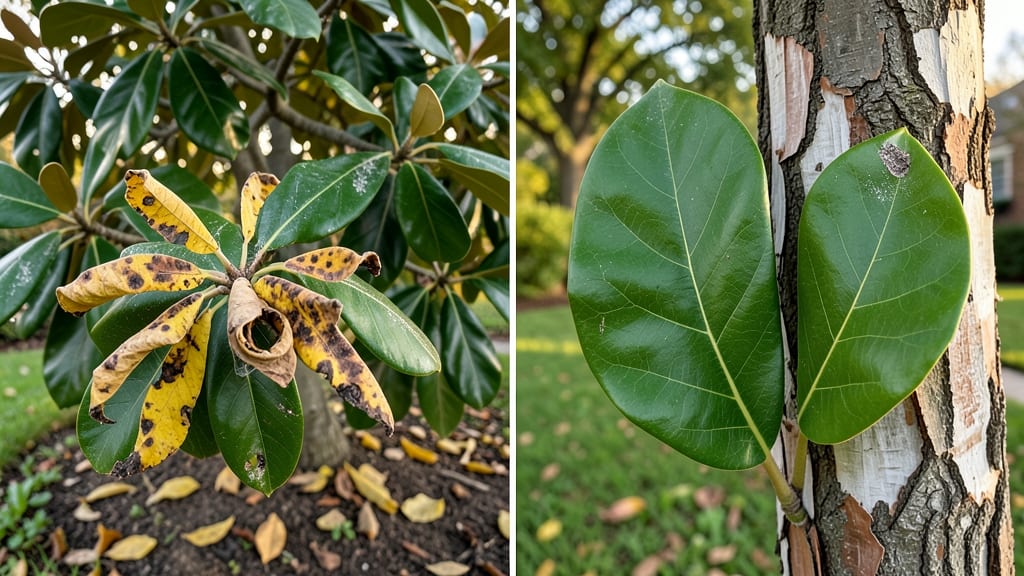
Your magnolia tree leaf problems—whether they’re spotted, yellowing, or crinkled—are a clear call for action, and after years of battling my own stubborn specimens, I’ve diagnosed every common issue. 🌿 The good news?
Most problems are treatable with the right approach, whether it’s fungal diseases like anthracnose or pests like scale hiding under those glossy leaves.
Yellowing leaves often signal overwatering or nutrient deficiencies, while brown spots usually mean fungal infections thriving in damp conditions. My magnolia’s leaves once looked like Swiss cheese from powdery mildew, but a few targeted sprays and better airflow fixed it.
The key is acting fast—once the damage spreads, recovery gets harder.
You’ll learn to spot the early warning signs (like tiny white webs or sticky residue on leaves) and apply organic fixes like neem oil or copper fungicide. With the right care, your tree will regain its glossy, healthy foliage by next season. Let’s get those leaves back to their best.
Whether you’re dealing with a young tree or a mature giant, these solutions work for all magnolia types. The sooner you intervene, the sooner your tree can bounce back—no arborist needed for most cases. Here’s how to diagnose and treat the most common issues.
Root Causes Behind Leaf Troubles
Magnolia trees are stunning, but their leaves can tell a story of stress—one that’s often rooted in environmental or biological factors. Understanding why your magnolia’s leaves are struggling is the first step to revival.
Below, we break down the science behind the most common culprits, so you can address the issue at its source.
Fungi thrive in warm, moist conditions, making them a top reason for leaf discoloration, spots, or premature drop. Here’s how they strike:
- Powdery Mildew 🍄 - Why it happens: This fungal disease spreads when spores land on leaves and germinate in humid, low-light conditions.
Magnolias are especially vulnerable in spring and fall when temperatures hover between 60–80°F (15–27°C) and nights are damp. - The science: The fungus Erysiphe or Podosphaera creates a white, powdery coating that blocks sunlight, weakening photosynthesis.
Over time, leaves yellow, curl, and fall. - Actionable clue: Look for white, talcum-powder-like patches on the upper leaf surface.
- Anthracnose 🍂 - Why it happens: Caused by Colletotrichum or Gloeosporium fungi, anthracnose loves wet foliage and poor air circulation.
It’s most aggressive in cool, rainy springs, when spores splash from soil or infected debris onto leaves. - The science: The fungus invades leaf tissue, creating dark, sunken spots with yellow halos.
Severe cases lead to defoliation, stressing the tree and making it prone to secondary pests. - Actionable clue: Spots start small, dark brown to black, and often have a raised, greasy texture.
- Leaf Spot Diseases 🎯 - Why it happens: Fungi like Cercospora or Septoria exploit wounds (e.g., from pruning or hail) or thrive in overhead watering.
They spread via wind, rain, or tools. - The science: These fungi create circular or irregular spots with concentric rings (target-like patterns).
As spots expand, they merge, causing large necrotic areas. - Actionable clue: Check for spots with yellow borders and black fruiting bodies (tiny dots) in the center.
Insects don’t just nibble—they inject toxins, spread diseases, or trigger stress responses. Here’s how they sabotage your magnolia:
- Magnolia Scale 🐛 - Why it happens: These armored scales (not true insects) suck sap from leaves and stems, excreting honeydew that fosters sooty mold.
They thrive in dry, hot conditions and are often introduced via infested nursery plants. - The science: Scale insects pierce plant cells with their stylets, disrupting nutrient flow. Infested leaves turn yellow, crispy, or drop prematurely.
Heavy infestations weaken the tree, making it susceptible to fungal infections. - Actionable clue: Look for white, waxy bumps on undersides of leaves or along stems.
- Japanese Beetles 🐞 - Why it happens: Adult beetles skeletonize leaves (eat tissue between veins), while grubs feed on roots.
They’re most active in late summer and are drawn to healthy, lush magnolias. - The science: Their feeding triggers oxidative stress in leaves, causing them to brown and wilt faster.
A single beetle can defoliate a branch in days! - Actionable clue: See irregular holes with green veins remaining—like a lace doily.
- Spider Mites 🕷️ - Why it happens: These tiny arachnids (not insects!) thrive in dry, hot weather and multiply rapidly when leaves are dusty or stressed.
They inject toxins while feeding, causing stippling (tiny white/yellow dots). - The science: Their saliva contains enzymes that disrupt chlorophyll, leading to bronzing or silvering of leaves.
Severe infestations cause leaves to curl and drop. - Actionable clue: Look for fine webbing on leaf undersides and speckled, bleached patches.
Sometimes, the problem isn’t biological—it’s environmental. Magnolias are sensitive to these common stressors:
- Improper Watering 💦 - Why it happens: Overwatering causes root rot (fungi like Phytophthora thrive in soggy soil), while underwatering leads to wilting, brown edges, and leaf scorch. - The science: Roots need well-draining soil and consistent moisture (1–1.5 inches per week).
Overwatering suffocates roots, cutting off nutrient uptake, while drought triggers abscisic acid (a plant hormone that signals leaf drop). - Actionable clue: Yellowing leaves with brown tips (overwatering) vs. crispy, curled edges (underwatering).
- Nutrient Deficiencies 🌱 - Why it happens: Magnolias need balanced nutrients, especially iron, nitrogen, and magnesium.
Deficiencies occur due to poor soil, over-pruning, or compacted roots. - The science: - Iron deficiency (chlorosis): Leaves turn yellow between veins (veins stay green) due to poor iron uptake in alkaline soil. - Nitrogen deficiency: Pale green or yellow leaves with stunted growth (nitrogen fuels leaf production). - Magnesium deficiency: Yellow patches between veins that spread inward (common in sandy soils). - Actionable clue: Test soil pH—magnolias prefer acidic soil (pH 5.0–6.5).
- Temperature Extremes ❄️☀️ - Why it happens: Late frosts damage tender new leaves, while heatwaves cause leaf scorch (brown, crispy edges).
Young magnolias are most vulnerable. - The science: Cold snaps trigger cell membrane damage, while heat stress disrupts stomatal function, reducing water uptake and causing oxidative damage. - Actionable clue: Sudden browning of leaf edges after a heatwave or blackened tips after frost.
Even well-meaning gardeners can stress magnolias with these practices:
- Over-Pruning ✂️ - Why it happens: Pruning too aggressively or at the wrong time (late winter/early spring) removes too much foliage, reducing the tree’s ability to photosynthesize. - The science: Magnolias rely on current season’s leaves for energy.
Heavy pruning triggers compensatory stress, leading to small, weak leaves or delayed flowering.
- Compacted or Poor Soil 🏗️ - Why it happens: Heavy foot traffic, construction, or clay soil restricts root growth, limiting water and nutrient absorption. - The science: Compacted soil reduces aeration and microbial activity, leading to root asphyxiation and nutrient lockout.
Leaves may show yellowing or stunted growth.
- Improper Mulching 🌿 - Why it happens: Too much mulch (volcano mulching) or non-organic mulch (like plastic) suffocates roots, while too little leaves soil exposed to temperature swings. - The science: Mulch should be 2–4 inches deep and organic (like pine straw) to retain moisture and improve soil structure.
Poor mulching causes root stress, reflected in wilting or discolored leaves.
Fixing Your Magnolia’s Leaf Woes
If your magnolia tree’s leaves are looking less than lush, don’t panic—most issues have a straightforward fix. Whether it’s fungal infections, pest invasions, or environmental stress, taking action early can save your tree and keep it thriving for years.
Below, we’ll tackle the most common problems with practical, step-by-step solutions and tips to prevent future setbacks.
Fungal issues like powdery mildew, anthracnose, or leaf spot can turn vibrant foliage into a sad, spotted mess. Here’s how to treat and prevent them:
🔥 Treat Fungal Leaf Spot or Anthracnose
- Prune the Problem Areas 🌿
- Use sterilized pruners (wipe with rubbing alcohol) to remove and destroy (don’t compost!) infected leaves and branches. Aim for 6–12 inches below the affected area to stop spores from spreading.
- Apply a Fungicide 💊 - Choose a copper-based fungicide (like Copper Soap) or a neem oil solution (1 tbsp neem oil + 1 quart water + a drop of dish soap).
Spray both the top and bottom of leaves, focusing on new growth. Reapply every 7–10 days until the problem clears.
- Boost Airflow 🌬️
- Thin out dense branches to improve circulation. Fungi love humidity—good airflow dries leaves faster and discourages spores.
💡 Prevention Tips for Fungi
- Water at the base (not overhead) to keep leaves dry. 💦
- Avoid overhead irrigation during rainy seasons—fungi thrive in wet foliage.
- Clean up fallen leaves regularly to remove fungal spores.
- Plant magnolias in full sun (they need at least 6 hours of sunlight daily) to reduce moisture retention.
Pests like scale, spider mites, or magnolia scale can suck the life out of your tree. Here’s how to evict them:
🍳 Treat Scale and Spider Mites
- Blast Off with Water 💦
- For scale insects, spray the tree with a strong hose stream (50+ PSI) to dislodge them. Do this in early morning or late evening to avoid shocking the tree.
- Use Insecticidal Soap or Horticultural Oil 🧼
- Mix 1 tbsp insecticidal soap or horticultural oil per quart of water and spray thoroughly on all leaf surfaces. Repeat every 5–7 days for 2–3 weeks. (Test a small branch first to avoid leaf burn.)
- Introduce Beneficial Predators 🐞
- Ladybugs and lacewings love eating spider mites. Buy them online or attract them with native flowering plants near your magnolia.
🔪 Severe Infestations? Try Systemic Treatment
- For heavy scale infestations, apply a systemic insecticide like Imidacloprid (follow label instructions carefully). This works from the inside out, but use it as a last resort—it’s stronger and should be avoided if beneficial insects are present.
💡 Prevention Tips for Pests
- Inspect new plants before bringing them home—quarantine them for a week.
- Keep your magnolia healthy—stressed trees attract more pests. 💪
- Remove nearby weeds (they harbor pest eggs).
- Avoid over-fertilizing with nitrogen—it encourages soft, pest-loving growth.
If leaves are yellowing, wilting, or dropping due to heat, drought, or poor soil, these fixes will help:
🥗 Fix Drought or Overwatering
- Check the Soil 🏺
- Stick your finger 2–3 inches into the soil. If it’s dry, water deeply. If it’s soggy, hold off and improve drainage.
- Water Deeply but Infrequently 💧
- Water slowly and deeply (1–2 inches per week) to encourage deep root growth. Avoid shallow, frequent watering, which promotes weak roots.
- Mulch Like a Pro 🌿
- Apply a 3-inch layer of mulch (wood chips or pine straw) around the base, but keep it 6 inches away from the trunk. Mulch retains moisture and regulates soil temperature.
🎯 Boost Soil Health
Test your soil (use a DIY kit or send a sample to a local extension office). Magnolias prefer acidic soil (pH 5.0–6.0).
If needed, amend with sulfur or peat moss. - Fertilize in early spring with a balanced, slow-release fertilizer (like 10-10-10). Avoid high-nitrogen fertilizers—they burn roots and attract pests.
🌿 Protect from Extreme Heat
- Provide afternoon shade (especially in hot climates) with a lightweight shade cloth or by planting near taller trees.
- Mist leaves on very hot days to reduce stress (do this in the early morning).
| Problem | Best Time to Treat | How Often |
|---|---|---|
| Fungal infections | Early morning (spores are dormant) | Every 7–10 days until cured |
| Scale/sap-sucking pests | Late evening or early morning | Every 5–7 days for 2–3 weeks |
| Spider mites | Any time (avoid peak sun) | Every 3–5 days |
| Drought stress | Late afternoon (water soaks in) | Deep water 1–2x per week |
| Overwatering | After soil dries slightly | Reduce frequency, improve drainage |
With these solutions, your magnolia should bounce back in no time! 🌟 The key is acting fast—most issues are easier to fix when caught early. And remember: prevention is the best cure. Keep your tree healthy, monitor it regularly, and it’ll reward you with stunning blooms and lush foliage for seasons to come.
Frequently asked questions
Why are my magnolia leaves turning yellow between the veins?
This is likely iron deficiency (chlorosis), common in alkaline soils. Magnolias need acidic soil (pH 5.0–6.5). Test your soil and amend with chelated iron or sulfur if needed. Yellowing between veins while veins stay green is the classic sign.
What should I do if I see white, powdery spots on my magnolia leaves?
That’s powdery mildew, a fungal disease. Prune affected branches, improve airflow by thinning dense growth, and spray with a neem oil solution (1 tbsp neem + 1 quart water + dish soap) every 7–10 days until cured. Avoid overhead watering.
Are those tiny white bumps on my magnolia leaves harmful?
Yes! Those are magnolia scale insects, which suck sap and weaken your tree. Blast them off with a strong hose stream first, then treat with horticultural oil (1 tbsp per quart of water) every 5–7 days for 2–3 weeks. Check leaf undersides and stems.
Can I save my magnolia if half its leaves are brown and crispy?
It depends! If it’s leaf scorch from heat or drought, deep watering and afternoon shade can help. For fungal issues like anthracnose (dark sunken spots), prune infected areas and apply copper fungicide immediately. Severe cases may need professional assessment.
How often should I fertilize my magnolia to prevent leaf problems?
Fertilize once in early spring with a balanced, slow-release fertilizer (10-10-10). Avoid high-nitrogen fertilizers—they encourage soft growth that attracts pests. Test soil first; magnolias prefer acidic conditions (pH 5.0–6.5). Over-fertilizing stresses roots and worsens leaf issues.