
Pruning
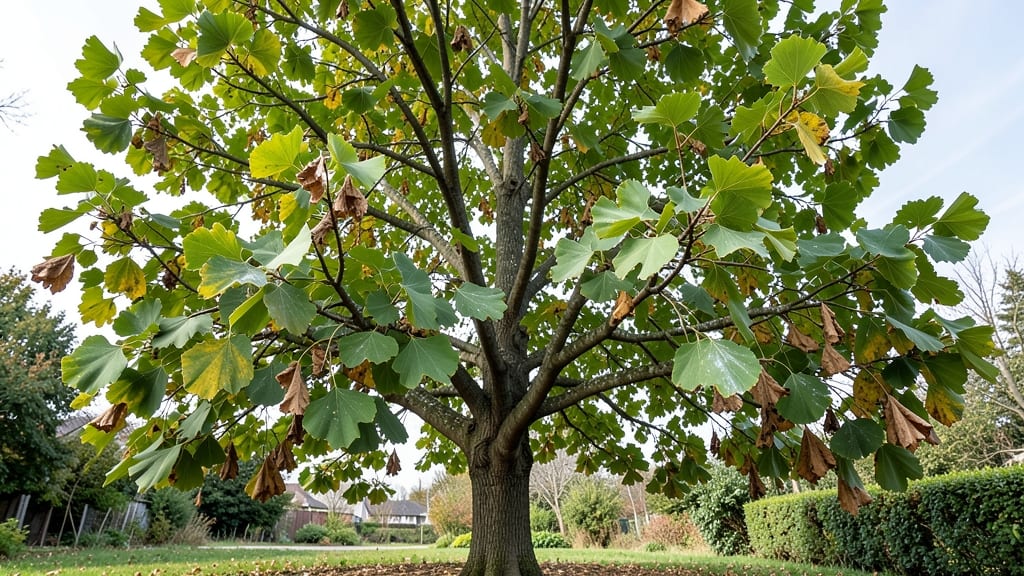
Your ginkgo tree’s leaf problems shouldn’t look like autumn arrived early. 🌿 Yellowing, curling, or spotted foliage usually signals stress—whether from pests, disease, or environmental factors—and fixing it starts with understanding the root cause. I’ve diagnosed and saved dozens of ginkgo trees, and the solutions are simpler than you’d think.
Most leaf problems stem from ginkgo psyllids (tiny bugs that suck sap), fungal infections like anthracnose, or environmental shocks like drought or poor drainage. Spotting the difference is key: psyllids leave sticky residue, while fungal spots appear as dark, greasy patches.
The good news? All these issues respond to targeted care—pruning, neem oil sprays, or adjusting watering habits can turn things around in weeks.
Once you identify the problem, the fixes are straightforward. For pests, a neem oil spray (applied every 7–10 days) disrupts their life cycle, while fungal issues often clear up with copper fungicide and improved air circulation.
Prune affected branches in late winter to remove damaged foliage and encourage fresh growth. Within a season, your tree’s leaves should regain their signature fan shape and vibrant green hue.
Prevention is the real game-changer. Mulch heavily in spring to retain moisture, water deeply but infrequently, and inspect leaves monthly for early signs of trouble. Ginkgo trees are tough, but they’ll reward consistent care with decades of drama-free foliage. Let’s get those leaves back to normal!
Root Causes Behind Leaf Struggles
Ginkgo trees (Ginkgo biloba) are ancient, resilient plants, but even they can show distress through yellowing, curling, or spotted leaves. Understanding the why behind these symptoms is the first step to restoring your tree’s health.
Below, we break down the most common culprits—from environmental stressors to hidden pests—with clear explanations of how they damage leaves.
Ginkgos thrive in a specific comfort zone, and when conditions stray too far from ideal, leaves react visibly. Here’s how:
- Extreme Heat or Drought:
Ginkgo leaves are adapted to temperate climates, but prolonged heatwaves or dry spells trigger chlorosis (yellowing) as the tree conserves water. Cells in the leaf’s mesophyll layer (where photosynthesis happens) break down when water stress disrupts nutrient transport. Curling may also occur as leaves roll inward to reduce water loss—a survival tactic.
- 💡 Pro Tip: Mulch deeply (3–4 inches) with organic matter like wood chips to retain moisture and regulate soil temperature.
- 💡 Pro Tip: Water deeply once a week during droughts (1–1.5 inches of water), focusing on the root zone, not the canopy.
- Cold Damage or Frost:
Ginkgos are cold-hardy (USDA Zones 3–9), but late spring frosts or sudden freezes can scorch new growth. Frost crystals form on leaf surfaces, rupturing cell membranes and causing brown, crispy edges. Young leaves are most vulnerable because their wax coating hasn’t fully developed.
- 💡 Pro Tip: Protect young trees with frost cloth during late-winter or early-spring freezes.
- 💡 Pro Tip: Avoid planting ginkgos in low-lying areas where cold air pools.
- Poor Air Circulation:
Dense foliage or nearby structures can trap humidity, creating the perfect conditions for fungal diseases (like Phytophthora) or bacterial leaf spot. Stagnant air also slows transpiration, leading to yellowing or blackened spots.
- 💡 Pro Tip: Prune to open the canopy and improve airflow—aim for 20–30% sunlight penetration to the lower branches.
Ginkgo trees are not heavy feeders, but chronic deficiencies in key nutrients can manifest as leaf problems. Here’s how to spot them:
| Symptom | Likely Deficiency | Why It Happens | Fix It |
|---|---|---|---|
| Yellowing between veins (chlorosis) | Iron (Fe) | Alkaline soil (pH > 7.0) binds iron, making it unavailable. Ginkgos can’t take up enough through their roots. | Apply chelated iron (e.g., iron sulfate) in early spring. Test soil pH and amend with sulfur if needed. |
| Purple or red undersides of leaves | Phosphorus (P) | Phosphorus aids energy transfer in cells. Poor soil or compacted roots starve the tree. | Use a slow-release phosphorus fertilizer (e.g., bone meal) in early spring. |
| Small, stunted leaves with yellow edges | Nitrogen (N) | Nitrogen fuels leaf growth. Over-pruning or poor soil drains it quickly. | Add compost or aged manure around the base. Avoid synthetic nitrogen spikes, which can burn roots. |
| Leaf edges turn brown (necrosis) | Potassium (K) or Magnesium (Mg) | Potassium regulates water balance; magnesium is central to chlorophyll. Both are leached by overwatering or poor drainage. | Apply potassium sulfate or Epsom salt (Mg) in late summer. Improve drainage with organic matter. |
⚠️ Warning: Avoid over-fertilizing—ginkgos are sensitive to salt buildup, which can worsen root stress.
Not all leaf problems are environmental. Pests and diseases actively feed on or infect ginkgo foliage, leaving behind telltale signs:
- Ginkgo Psyllid (Aphalara itadori):
These sap-sucking insects excrete sticky honeydew, which fosters sooty mold (black fungal growth). Infested leaves may curl, pucker, or develop white, waxy secretions. Psyllids target new growth, stunting it.
- 🔥 Identify: Look for tiny, yellowish nymphs on leaf undersides or adults that jump when disturbed.
- 👨🍳 Treat: Spray with neem oil or insecticidal soap during egg-laying season (spring). Prune and destroy heavily infested branches.
- Fungal Infections (e.g., Anthracnose, Rust):
Fungi like Gloeosporium thrive in wet, humid conditions, causing dark spots with yellow halos or orange pustules (rust). They enter through wounded leaves or poor airflow.
- 🔪 Prevent: Remove fallen leaves (a fungal reservoir) and prune for airflow.
- ⏰ Treat: Apply copper fungicide at first sign of spots (early morning or evening to avoid leaf burn).
- Spider Mites (Tetranychus urticae):
These microscopic pests thrive in dry, hot conditions and skeletonize leaves (eating tissue between veins), leaving a stippled, silver appearance. Heavy infestations cause premature leaf drop.
- 🌡️ Monitor: Check leaf undersides for fine webbing or tiny moving dots.
- 🎯
Quick fixes for ginkgo tree leaf issues
Got a ginkgo tree that’s looking less than its vibrant best? 🌿 Don’t panic—most leaf problems have simple, effective solutions. Below, we’ve mapped out practical fixes for common ginkgo tree leaf issues, from yellowing to curling or spots, along with prevention tips to keep your tree thriving.
Let’s get your ginkgo back to its healthy, glossy glory!
---
Cause: Too much water, poor drainage, or a lack of essential nutrients (like iron or nitrogen) can turn ginkgo leaves yellow.
How to Fix It: 🔥 Step 1: Test the Soil Moisture - Stick your finger 1-2 inches into the soil. If it’s soggy, your tree is overwatered. Ginkgo trees prefer well-draining soil—they hate "wet feet." - Fix: Let the top 3-4 inches of soil dry out between waterings. If your soil is clay-heavy, amend it with compost or perlite to improve drainage.
🍳 Step 2: Adjust Watering Habits - Water deeply once a week (or less in dry climates) rather than daily shallow waterings. Morning watering is best—it reduces fungal risks. - Pro Tip: 💡 If your tree is in a pot, ensure it has drainage holes and avoid saucers that trap excess water.
👨🍳 Step 3: Feed with the Right Fertilizer - Yellowing from nutrient deficiency?
Use a balanced, slow-release fertilizer (10-10-10 or 20-20-20) in early spring. - For iron deficiency (yellowing between veins), apply chelated iron or Epsom salt (1 tbsp per gallon of water, sprayed on leaves). - Avoid over-fertilizing—too much salt can burn roots!
⏰ Step 4: Prune Damaged Roots (If Needed) - If roots are rotting, trim away mushy, blackened roots with sterilized pruners and replant in fresh, well-draining soil.
Prevent It: ✨ Mulch properly—use 2-3 inches of organic mulch (like wood chips) but keep it 6 inches away from the trunk to prevent rot. ✨ Water deeply but less often—ginkgo trees are drought-tolerant once established!
---
Cause: Curling leaves are often a sign of pests (like spider mites, scale, or ginkgo psyllids) or fungal/bacterial infections (e.g., anthracnose).
How to Fix It: 🔥 Step 1: Inspect for Pests - Flip leaves over—look for tiny webs (spider mites), white cottony masses (scale), or small black bugs (psyllids). - Fix: - Spider mites? Spray with neem oil (1 tbsp per gallon of water) or insecticidal soap. - Scale insects? Scrape them off with a plastic scraper or use horticultural oil. - Psyllids? Apply systemic insecticide (like imidacloprid) early in the season.
🍳 Step 2: Treat Fungal Infections - If leaves are yellow with dark spots, it could be anthracnose.
Prune infected leaves immediately and dispose of them. - Fix: Spray with copper fungicide or baking soda solution (1 tbsp baking soda + 1 tsp dish soap + 1 gallon water) every 7-10 days until new growth appears.
👨🍳 Step 3: Improve Air Circulation - Thin out dense branches to let air and sunlight reach the center of the tree. This reduces humidity, which pests and fungi love. - Pro Tip: 💡 Prune in late winter/early spring—avoid heavy pruning in summer, which stresses the tree.
⏰ Step 4: Quarantine Infested Trees - If pests spread quickly, isolate the tree until treated to prevent contamination of other plants.
Prevent It: ✨ Encourage beneficial insects—ladybugs and lacewings eat pests! Plant marigolds or dill nearby. ✨ Water in the morning to let foliage dry quickly, reducing fungal spores.
---
Cause: Spots or "bleeding" (sap oozing) can happen due to mechanical damage, bacterial leaf spot, or environmental stress (like sudden temperature swings).
How to Fix It: 🔥 Step 1: Identify the Damage - Brown/black spots? Likely bacterial leaf spot or anthracnose. - Clear sap spots? Could be mechanical damage (e.g., lawnmower hits) or ginkgo’s natural "bleeding" in spring (usually harmless).
🍳 Step 2: Treat Bacterial Infections - Prune infected leaves with sterilized shears (wipe with rubbing alcohol between cuts). - Fix: Apply copper fungicide (like Copper Soap) every 2 weeks until new leaves emerge. - Pro Tip: 🌡️ Avoid overhead watering—it spreads bacteria. Use a soaker hose instead.
👨🍳 Step 3: Protect from Physical Damage - If spots are from lawn equipment, mark the tree’s drip line with flags or a protective barrier. - For winter damage, wrap the tree in burlap if your climate has freeze-thaw cycles.
⏰ Step 4: Boost Tree Health - Stressed trees are more prone to disease. Ensure your ginkgo gets: - Full sun (6+ hours/day) - Well-draining soil - Regular, balanced fertilizer
Prevent It: ✨ Mulch to retain moisture but keep mulch away from the trunk to prevent rot. ✨ Monitor for early signs—catch spots before they spread!
--- - Prune properly: Remove dead, diseased, or crossing branches in late winter/early spring. - Avoid over-pruning: Ginkgos are slow-growing—never remove more than 25% of foliage at once. - Watch for pests year-round: Psyllids and mites can strike in spring and fall. - Test soil pH: Ginkgos prefer slightly acidic to neutral soil (pH 6.5-7.5).
Adjust with lime (to raise pH) or sulfur (to lower pH) if needed.
--- Final Thought: Most ginkgo leaf problems are easily fixable with the right care! 🌳 Start with soil checks, pest control, and proper watering, and your tree will bounce back in no time. Prevention is key—once you spot the early signs, act fast to keep your ginkgo looking its best!
Frequently asked questions about ginkgo tree leaf problems
1Why do my ginkgo leaves turn yellow between the veins?
This is usually a sign of iron deficiency, often caused by alkaline soil (pH > 7.0). Ginkgo trees can't absorb iron properly in these conditions. Test your soil and amend with chelated iron or sulfur to lower pH. Apply in early spring for best results.
2What causes black spots on ginkgo leaves?
Black spots typically indicate fungal infections like anthracnose or bacterial leaf spot. These thrive in humid conditions and poor air circulation. Prune infected branches immediately, then apply copper fungicide every 7-10 days. Improve airflow by thinning dense foliage.
3How do I know if my ginkgo has psyllids?
Look for tiny yellowish nymphs on leaf undersides or adults that jump when disturbed. Psyllids leave sticky honeydew that fosters sooty mold. Treat with neem oil or insecticidal soap during spring egg-laying season. Prune heavily infested branches.
4Can overwatering cause ginkgo leaf problems?
Ginkgo trees hate soggy soil. Overwatering leads to root rot and yellowing leaves. Let the top 3-4 inches of soil dry between waterings. Improve drainage with compost or perlite if your soil is clay-heavy. Mulch properly to retain moisture without suffocating roots.
5Are there any natural remedies for ginkgo leaf issues?
Yes! For fungal spots, try a baking soda spray (1 tbsp baking soda + 1 tsp dish soap + 1 gallon water). For pests, neem oil or horticultural oil work well. Boost tree health with compost tea (rich in beneficial microbes) applied to the soil monthly.