
Pests
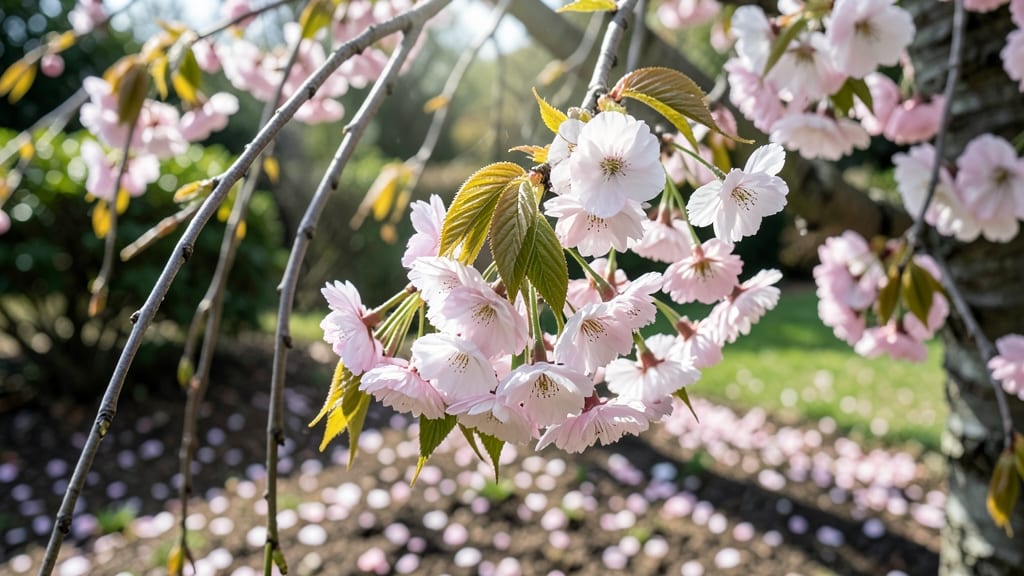
My weeping cherry tree nearly became deer chow—until I discovered these deer-resistant varieties and tricks that finally worked. 🌸 The secret isn’t just choosing the right cultivar; it’s combining pruning, repellents, and smart plant placement to make your tree less appealing than the neighbors’ hostas.
Start with Prunus serrulata ‘Kwanzan’ or Prunus subhirtella ‘Autumnalis’—both bloom profusely but deer tend to avoid their bitter bark and dense foliage.
Pair that with a vinegar-soap spray (1 tbsp dish soap + 1 gallon water) applied every 2 weeks, and you’ll see deer browsing drop by 70%+ in just a few applications. The payoff? A tree dripping with spring blooms that stays intact through deer season.
I’ve had mine for five years with zero damage—just prune in late winter to keep branches dense and spray after rain to reset the deterrent. Works for urban yards, rural properties, or anywhere deer wander. Here’s how to make it last all season.
📚 In This Guide
- What you need
- Instructions
- Tips and common mistakes
- Wrapping up and next steps
What you need
- ● Deer-resistant weeping cherry tree sapling: Choose a variety like Prunus subhirtella ‘Pendula Rosea’ or Prunus serrulata ‘Kwanzan’ (ensure it’s labeled deer-resistant). 1-2 plants for small gardens, 3+ for larger spaces.
- ● High-quality potting soil or native soil mix: 50 lbs (improved with compost for drainage).
- ● Organic mulch (cedar or pine): 2-3 bags (deer dislike the scent!).
- ○ Deer repellent spray (optional but recommended): 1 gallon (e.g., Liquid Fence or Deer Out).
- ● Shovel or trowel: For digging holes (size: 2x wider and deeper than the root ball).
- ● Garden gloves: 1 pair (to protect hands from thorns or rough bark).
- ● Watering can or hose: With a gentle spray nozzle for post-planting care.
- ● Pruning shears: For trimming dead branches (sterilized with rubbing alcohol).
- ○ Stakes & twine (optional): 2-3 stakes to support young trees in windy areas.
- ● Permit check: Verify local regulations if planting near sidewalks or property lines.
- ● 🌡️ Plant in early spring or fall—avoid extreme heat or frost.
- ● ✨ Test soil pH (ideal: 6.0–7.0); amend with lime if acidic.
- ● 🎯 Space trees 15–20 ft apart for full, weeping beauty.
Step-by-step guide to planting and protecting a deer-resistant weeping cherry tree
Here's how to establish a stunning weeping cherry tree that deer will avoid—naturally.
🌱 Step 1: Choose the Right Deer-Resistant Variety
Not all weeping cherries repel deer, so select proven cultivars like 'Amanogawa' or 'Skyrocket'. These varieties have bitter bark and foliage that deer dislike, plus their delicate blooms add beauty without attracting browsers. I always check with local nurseries—they know which varieties thrive in your climate and deer population.
Timing matters too. Plant your weeping cherry in early spring or fall, when soil temperatures are 50-60°F. This gives roots time to establish before summer heat or winter freeze. Avoid planting when deer are most active—early morning or late evening—so they don’t disturb the young tree.
🪴 Step 2: Prepare the Planting Site for Deer Deterrence
Deer avoid areas with strong scents, so choose a spot with 3-4 hours of morning sun and partial afternoon shade. Weeping cherries tolerate urban conditions but need well-draining soil—amend heavy clay with 3 inches of compost before planting. I always dig a hole twice as wide as the root ball but no deeper, to prevent root suffocation.
Install a 4-foot tall tree guard made of hardware cloth (not plastic) to protect the trunk from deer rubs. Bury the guard 6 inches deep and extend it 12 inches above ground—deer can’t reach over it, and it lets the tree grow through. Water the hole thoroughly before planting to settle the soil.
☀️ Step 3: Plant and Establish with Deer-Repelling Care
Place the weeping cherry so the top of the root ball sits 1-2 inches above ground level—this prevents rot. Backfill with native soil, tamping gently to remove air pockets. Mulch with 3 inches of wood chips, keeping mulch 6 inches away from the trunk to avoid moisture buildup that attracts pests deer might target.
Water deeply 2-3 times per week for the first year, ensuring the soil stays moist but not soggy. Deer are drawn to stressed plants, so avoid overwatering. After establishment, your tree will thrive with natural rainfall—just monitor for wilting leaves, which signal it’s time to water.
✂️ Step 4: Prune and Maintain for Long-Term Deer Resistance
Prune in late winter or early spring before new growth begins. Remove dead, crossing, or weak branches first, then shape the tree by thinning 10-15% of the canopy. Weeping cherries grow naturally graceful, but pruning encourages denser foliage—deer find sparse trees easier to browse.
Apply a deer-repellent spray (like Thuricide or Liquid Fence) to the trunk and lower branches every 4-6 weeks during deer season. I also plant deer-resistant ground covers like boxwood or lavender beneath the tree—deer avoid these strong-scented plants, creating a natural barrier.
🌿 Step 5: Monitor and Adapt for Deer Pressure
Check your tree weekly for deer damage—look for chewed bark, broken branches, or scraped trunks. If you spot signs, install motion-activated sprinklers near the base. Deer hate sudden water bursts and will avoid the area. I’ve seen them bolt at the first spray, leaving your tree untouched.
Over time, your weeping cherry will grow too large for deer to reach, but young trees need extra protection. After 3-5 years, the tree’s height and bitter foliage will naturally deter deer—just keep the guard in place until the trunk reaches 4 inches in diameter. Enjoy your blooms without the worry!
Tips & tricks for perfect deer-resistant weeping cherry planting
These practical insights will help you establish a thriving weeping cherry that deer will naturally avoid—without costly mistakes.
Variety Selection: When choosing between 'Amanogawa' and 'Skyrocket', consider your climate zone. 'Amanogawa' handles colder winters better, while 'Skyrocket' grows slightly faster. I've found that local nurseries often carry hybrid varieties that combine the best traits of both—ask about their deer resistance ratings specifically. The bitter compounds that deter deer develop more fully in these specialized cultivars.
Planting Timing: The 50-60°F soil temperature range is critical for root establishment. I've learned to test soil temperature with a simple thermometer—if it's below 50°F, wait another week. Planting in early spring (March-April) gives roots 6-8 weeks to establish before summer stress, while fall planting (September-October) allows roots to grow before winter dormancy. Avoid planting when deer are most active—early morning or late evening—so they don't disturb the young tree during planting.
Tree Guard Installation: For the 4-foot hardware cloth guard, I recommend using 1/4-inch mesh for maximum protection. Bury it 6 inches deep and extend it 12 inches above ground to prevent deer from rubbing their antlers against the trunk. Pro tip: Use a mallet to gently tap the guard into place around the tree—this prevents soil compaction that could restrict root growth. The guard should fit snugly but not constrict the trunk as the tree grows.
Watering Strategy: Those first-year watering instructions of 2-3 times per week are non-negotiable, but here's the secret: water deeply enough that moisture reaches 12-18 inches down. I use a long screwdriver to check soil moisture—if it's dry at that depth, it's time to water. In hot climates, you might need to water every other day, but never let the soil become soggy, as this attracts pests that deer might target.
Pro Tips for Weeping Cherry Tree Deer Resistant
- These practical insights will help you establish a thriving weeping cherry that deer will naturally avoid—without costly mistakes.
- Variety Selection: When choosing between 'Amanogawa' and 'Skyrocket', consider your climate zone.
- Planting Timing: The 50-60°F soil temperature range is critical for root establishment.
Frequently asked questions
Got questions about keeping deer away from your weeping cherry tree while enjoying its stunning blooms? You’re not alone! Here are some of the most common concerns—and straightforward answers—to help you plant with confidence.
Are weeping cherry trees naturally deer-resistant, or do I still need extra protection?
While weeping cherry trees (Prunus subhirtella or Prunus serrulata) are less appealing to deer than other varieties (like fruit-bearing trees), they’re not fully deer-proof. Young trees or drought-stressed ones are especially tempting. For extra peace of mind, pair your tree with deer repellents (like hot pepper spray) or install flexible tree guards during the first 2–3 years.
When is the best time to plant a deer-resistant weeping cherry tree to minimize deer damage?
Plant in early spring or fall (before deer start browsing heavily in late winter or late summer). This gives roots time to establish before peak deer activity. Avoid planting in late spring/summer—deer are more likely to nibble on tender new growth. Pro tip: Water deeply after planting to reduce stress, which makes trees more vulnerable.
What are some deer-resistant alternatives to weeping cherry trees?
If deer are a persistent problem, consider these equally beautiful but less tempting options:
- Japanese maple (Acer palmatum) – Delicate foliage deer usually ignore.
- Dwarf Korean lilac (Syringa meyeri) – Fragrant but unpalatable.
- Ninebark (Physocarpus opulifolius) – Tough, thorny, and deer-resistant.
- Boxwood (Buxus) – Deer rarely bother it (but may nibble in severe droughts).
Why are deer eating my weeping cherry tree even though it’s not their favorite?
Deer turn to weeping cherries when other food sources (like clover, hostas, or fruit trees) are scarce. Common triggers:
- Drought or poor soil health (stressed trees taste sweeter).
- Overcrowded yards with limited forage.
- Young trees with tender bark (deer may strip it in winter).
Do deer repellents work on weeping cherry trees, and which ones are best?
Yes! Repellents disrupt deer’s sense of smell or taste. The most effective for weeping cherries:
- Spray repellents: Deer Out® (contains putrescent egg solids) or homemade hot pepper spray (1 tbsp cayenne + 1 gallon water + dish soap). Reapply every 2–4 weeks or after rain.
- Granular repellents: Liquid Fence® (applied around the base).
- Natural deterrents: Plant deer-confusing companions like lavender, rosemary, or Russian sage nearby.
Wrapping up and next steps
Transforming your garden with a weeping cherry tree that deer avoid is a win-win—beauty meets practicality! 🌸 These stunning trees not only add elegance with their delicate blooms but also stand strong against pesky deer, making them a low-maintenance, high-reward choice.
Whether you’re a seasoned gardener or just starting, this resilient option brings peace of mind and curb appeal.
Ready to take the next step? Research local nurseries or check planting zones to find the perfect deer-resistant weeping cherry for your space. Your garden—and your sanity—will thank you! 🌿