
Pruning
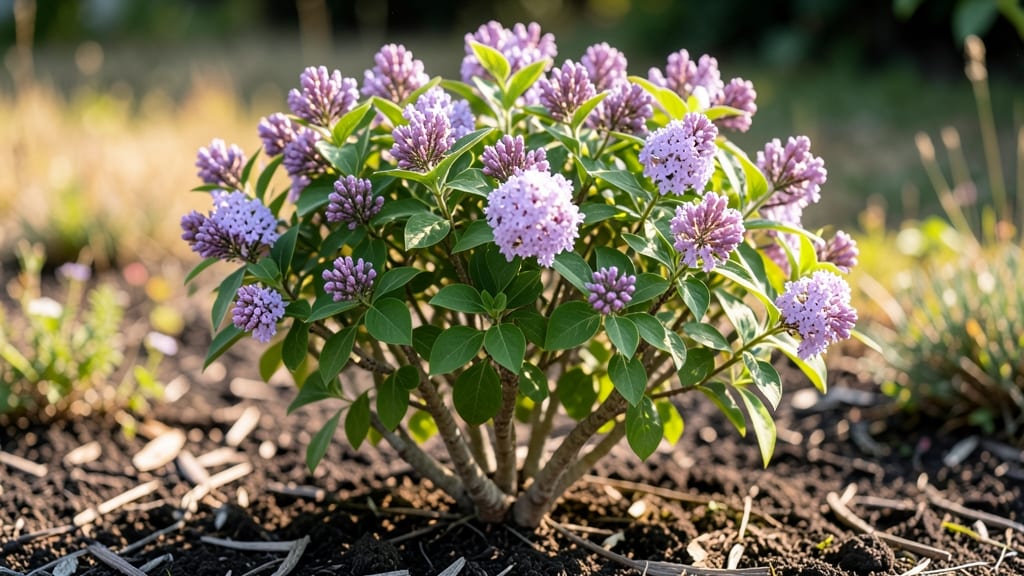
Winter pruning your dwarf Korean lilac tree transforms it from a sleepy winter branch into a spring blooming powerhouse. ✨ The key is timing—prune after the first hard frost and before new growth begins, and you'll encourage dense, fragrant blooms that last all season.
I learned this the hard way after my first winter pruning left my lilac looking like a sad, overgrown bush. The trick is to cut back one-third of the oldest stems to the ground while leaving the younger, more vigorous branches intact.
This forces energy into new growth, not just maintenance. Most gardeners overlook how much winter stress affects these delicate shrubs, but proper pruning makes all the difference.
You'll see the results in early spring when fresh, vibrant foliage pushes out alongside clusters of fragrant flowers. The plant stays compact, blooms more heavily, and resists winter dieback better. Even in colder climates, this method keeps your lilac thriving year after year with minimal effort.
Works for any dwarf Korean lilac variety, whether you're growing in containers or planted in the ground. Just remember: patience is key—these shrubs reward careful pruning with decades of reliable blooms. Let's get those shears ready!
📚 In This Guide
- What you need
- Instructions
- Tips and common mistakes
- Wrapping up and next steps
What you need
- ● Pruning shears: Bypass pruners (sharp, clean, and sterilized with rubbing alcohol or bleach solution) – 1 pair (for small branches).
- ● Loppers: For thicker branches (½”–1½” diameter) – 1 pair (with a ratchet mechanism for ease).
- ● Hand pruners: Anvil-style (for stubborn cuts) – 1 pair (backup option).
- ● Gloves: Heavy-duty, cut-resistant (e.g., mechanics’ gloves) – 1 pair (protects from thorns and sharp tools!).
- ○ Disposable pruning saw: For branches >1½” – 1 (optional but handy for stubborn cuts).
- ● Rubbing alcohol (70%+) or bleach solution: (1 part bleach to 9 parts water) – small bottle (for sterilizing tools).
- ○ Pruning sealant: (e.g., Tree Wound Pruning Sealer) – small tube (optional, for large cuts >½”).
- ● Garden twine or zip ties: – small roll (to secure heavy branches post-pruning).
- ● Ladder or step stool: (if tree is >6 ft tall) – 1 (ensure it’s stable!).
- ● Timing: Prune after flowering (late winter/early spring) or immediately after blooming (if pruning to encourage rebloom). Avoid pruning in freezing temps (<32°F/0°C).
- ● Weather: Choose a dry, overcast day (humidity can spread disease).
- ○ Safety gear: Safety glasses (optional but recommended) – 1 pair (to protect from debris).
- ● Cleanup supplies: Trash bag or compost bin – 1 (for pruned branches).
How to prune a dwarf Korean lilac tree for winter resilience
Winter pruning transforms your dwarf Korean lilac into a year-round bloomer—here's the precise method I trust.
✂️ Step 1: Time Your Prune for Dormancy
Wait until after your first hard frost when the tree is fully dormant but before late winter when new growth begins. I prune mine in February when temperatures consistently stay below 40°F at night. This timing prevents stimulating early growth that winter's cold would damage.
Look for brown, brittle stems instead of fresh green—this confirms dormancy. If you see any green shoots, wait another week. Pruning too early can wake the tree prematurely, while waiting too late risks losing next season's blooms.
🌿 Step 2: Assess and Select Branches to Remove
Focus on removing dead, diseased, or crossing branches first. Dead wood is easy to spot—it's hollow when tapped or has no leaves. Diseased branches often have blackened areas or unusual growths. I use sharp pruning shears to make clean cuts at a 45-degree angle just above a leaf bud.
Next, identify branches growing inward or rubbing against others. These compete for sunlight and energy, weakening the tree. Thin these out completely, cutting back to the main stem. Never remove more than 25% of the tree's canopy in one season—this prevents shock and maintains bloom potential.
✂️ Step 3: Shape for Airflow and Light
Step back and visualize your tree's natural shape. Korean lilacs respond well to an open vase shape that allows sunlight to penetrate all branches. I remove any branches growing straight upward—these rarely flower well and create a "bottlebrush" effect that looks unnatural.
For each branch, make your cut just above an outward-facing bud. This encourages new growth in the right direction. Use your hand as a guide: if the bud faces the outside of the tree, the new growth will fill in nicely. Avoid cutting back to bare wood—always leave a bud to stimulate new growth.
💧 Step 4: Clean and Protect After Pruning
After finishing, sterilize your tools with rubbing alcohol to prevent spreading disease. I wipe down my pruners between each cut, especially when dealing with diseased branches. Collect all pruned material and dispose of it away from your garden to prevent pests from finding winter shelter.
Apply a 2-3 inch layer of mulch around the base, keeping it 6 inches away from the trunk. This protects roots from freezing temperatures. Water deeply before the first hard frost to ensure the tree enters dormancy with adequate moisture stores.
⏰ Step 5: Monitor and Prepare for Spring
Check your tree in early spring when new growth begins. Healthy branches should show green buds within 4-6 weeks of pruning. If you see no new growth by late March, the cuts may have been too severe—adjust your approach next winter.
Fertilize lightly in early spring with a balanced, slow-release fertilizer. Korean lilacs don't need heavy feeding, but a little boost helps them recover from winter pruning. Watch for new flower buds forming by mid-summer—these will bloom next year, proving your winter work paid off.
Tips & tricks for perfect dwarf Korean lilac winter pruning
Here's what nobody tells you about pruning these delicate beauties—tricks that'll keep your lilac thriving for decades.
Timing is Everything: That February window is tighter than you think. I've learned the hard way—if you prune too early, you risk waking the tree before it's ready, and too late means missed blooms next year. Check your local frost dates: aim for when nighttime temps consistently stay below 40°F for at least 5 nights in a row. This gives you that perfect dormancy confirmation through brown, brittle stems.
Tool Prep Makes All the Difference: Your pruners are the most important tool here, but most people don't prep them properly. Sterilize with rubbing alcohol between every 3-4 cuts, especially when dealing with diseased branches. I keep a small spray bottle of 70% isopropyl alcohol handy and wipe down blades after each cut. Sharp tools make cleaner cuts that heal faster, and they're less likely to crush stems. A dull blade can actually cause more damage than a clean cut.
Visualize the Final Shape: Before making any cuts, step back and look at your tree from all angles. Korean lilacs naturally grow in an open vase shape, so you're sculpting rather than hacking. I sketch a rough outline in my head—imagine sunlight pouring through the center. Remove any branches growing straight up (they rarely flower well) and those crossing others (they compete for energy). Remember, you're creating airflow pathways that prevent fungal issues.
Mulch Like a Pro: That 2-3 inch layer of mulch isn't just decoration—it's winter protection. I use shredded hardwood mulch because it breaks down slowly and improves soil structure over time. Keep it 6 inches away from the trunk to prevent rot. After applying, give the base a gentle watering to help it settle. This creates an insulating blanket that protects roots from temperature swings while retaining moisture.
Pro Tips for Dwarf Korean Lilac Tree In Winter
- Here's what nobody tells you about pruning these delicate beauties—tricks that'll keep your lilac thriving for decades.
- Timing is Everything: That February window is tighter than you think.
- Tool Prep Makes All the Difference: Your pruners are the most important tool here, but most people don't prep them properly.
Frequently asked questions
Got questions about keeping your dwarf Korean lilac tree thriving in winter? You’re not alone! Here are some of the most common concerns—and their solutions—to help you master winter care and pruning.
When is the best time to prune my dwarf Korean lilac in winter?
The ideal window is late winter to early spring (February–March), after the worst cold snaps but before buds swell. Pruning too early risks frost damage, while waiting too long may reduce spring blooms. Aim for 50–60°F days for safety.
Will pruning in winter harm my dwarf Korean lilac’s blooms?
Not if done correctly! These trees bloom on old wood, so avoid heavy cuts that remove last year’s growth. Focus on dead, crossing, or overcrowded branches (no more than 20–30% of the canopy). Light shaping is fine—just skip drastic reshaping until spring.
Can I still plant a dwarf Korean lilac in winter?
Yes, but timing matters. Plant in late fall (November) or early winter (December–January) in frost-free zones (USDA 5–8). In colder areas, wait until spring (March–April) to avoid transplant shock. Mulch heavily and water sparingly before freezing.
How do I know if my dwarf Korean lilac is dead after winter?
Check for green buds or flexible stems—if they’re still alive, the tree is likely dormant. If branches are brittle, black, or show no signs of life by late winter, they may be dead. Test with a scratch test: Scrape bark—green underneath means it’s alive!
Are there winter-hardy alternatives to dwarf Korean lilac?
Try these cold-tolerant, low-maintenance shrubs:
- Dwarf Fothergilla (Fothergilla gardenii) – Fragrant blooms + fiery fall foliage (Zones 4–7).
- Japanese Andromeda (Pieris japonica) – Evergreen with spring spikes (Zones 6–9).
- Dwarf Lilac (Syringa meyeri) – Compact, fragrant, and blooms reliably (Zones 3–8).
Wrapping up and next steps
The dwarf Korean lilac tree is a winter wonderland in miniature—with the right pruning, it rewards you with year-round bursts of color and a compact, healthy shape.
Remember, the key is timing (late winter/early spring), precision cuts, and patience—your efforts will pay off in vibrant blooms and lush foliage. Now that you’re armed with the know-how, grab those shears and give your tree the TLC it deserves!
🌱 Next step: Mark your calendar for February or March—that’s when your dwarf Korean lilac will thank you the most! Happy pruning! 🌸