
How To
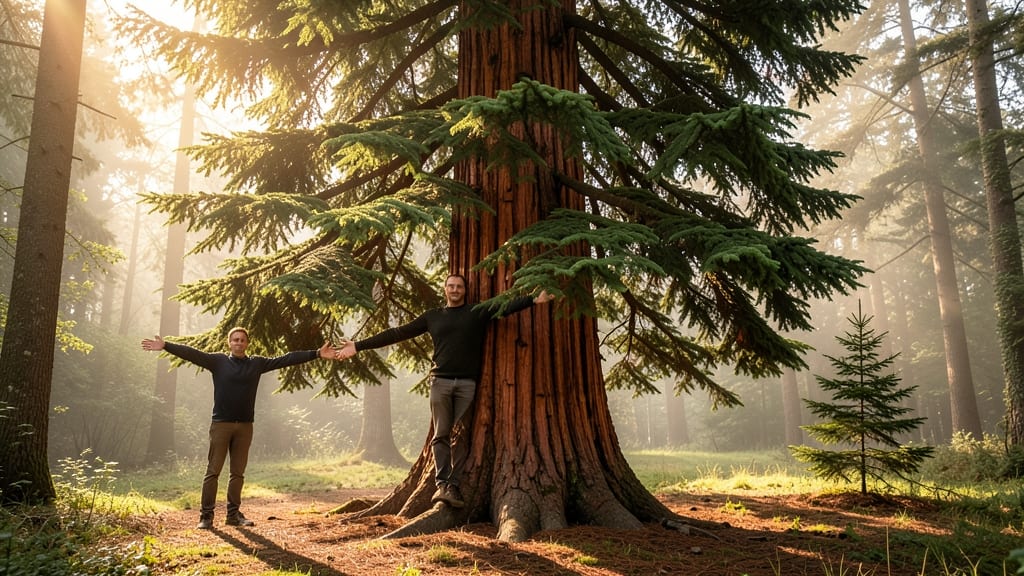
A cedar tree can grow anywhere from 15 feet to over 40 feet tall, depending on the species and growing conditions — so if you’re planning your landscape, size matters more than you think.
Picture this: You plant a sapling expecting a towering shade tree, only to end up with a scraggly shrub because your climate zone just wasn’t right for its potential. That’s why knowing the height limits of your cedar tree before planting is the key to avoiding disappointment.
Some varieties, like the Eastern Red Cedar, thrive in USDA Zone 6a and beyond, reaching heights of 30-40 feet with proper care. Others, such as the dwarf cedar, stay compact at just 8-12 feet, making them perfect for smaller yards. The difference comes down to species, sunlight, and soil.
Below, I’ll break down the height ranges for the most popular cedar trees, how to encourage (or control) their growth, and the best conditions to let them reach their full majestic potential.


Cedar tree height by species: from dwarf varieties to towering giants
Choosing a cedar tree for your landscape means deciding between a compact shrub or a sky-scraping giant. The species you select determines whether you'll need to account for 40-foot eaves or simply enjoy a low-maintenance hedge.
Cedar trees belong to the Cupressaceae family, and their heights vary dramatically—from 6-foot dwarf varieties to 100-foot giants in optimal conditions.
Understanding these differences helps you plan for spacing, sunlight access, and even neighborly disputes over encroaching branches. For example, an Eastern Red Cedar might stay under 30 feet in urban settings, while a Deodar Cedar can reach 150 feet in its native Himalayan habitat.
Let’s explore the most popular cedar species and their mature height ranges.
| Species | Mature Height | Growth Rate (Annual) | Ideal Climate Zones | Notes |
|---|---|---|---|---|
| Eastern Red Cedar (Juniperus virginiana) | 30–40 ft (dwarf varieties: 6–12 ft) | 12–24 inches | USDA Zones 2–9 | Fast-growing; adaptable to urban areas |
| Atlas Cedar (Cedrus atlantica) | 40–60 ft (dwarf: 10–15 ft) | 6–12 inches | USDA Zones 6–9 | Cold-hardy; needs well-drained soil |
| Deodar Cedar (Cedrus deodara) | 80–150 ft (dwarf: 15–20 ft) | 12–24 inches | USDA Zones 7–9 | Slow-growing; needs space and humidity |
| Leyland Cypress (× Cupressocyparis leylandii) | 60–70 ft (dwarf: 10–15 ft) | 36–48 inches | USDA Zones 6–10 | Fastest-growing; prone to disease |
| Incense Cedar (Calocedrus decurrens) | 50–70 ft (dwarf: 8–12 ft) | 12–18 inches | USDA Zones 5–8 | Fragrant foliage; drought-tolerant |
| Western Red Cedar (Thuja plicata) | 60–70 ft (dwarf: 10–15 ft) | 12–24 inches | USDA Zones 5–8 | Slow-growing; rot-resistant wood |
The Eastern Red Cedar is the most common choice for North American landscapes due to its versatility and fast growth. In ideal conditions, it can reach 40 feet in 20–30 years, but urban planting often restricts it to 20–25 feet due to root competition and pruning.
Its dwarf varieties, like 'Skyrocket,' stay under 10 feet, making them perfect for hedges or small yards.
For those seeking a statement piece, the Deodar Cedar is unmatched—its weeping branches and 150-foot potential make it a landmark tree in large estates. However, its slow growth rate (only 12 inches per year) means patience is key.
If you’re in USDA Zone 7 or warmer, this species thrives with minimal care, but cold snaps can damage young saplings.
The Leyland Cypress, often mistaken for a cedar, grows 3 feet per year—the fastest on this list. While its 70-foot height is impressive, its weak wood structure makes it prone to wind damage.
Planting it 30–40 feet from structures is critical to avoid foundation issues or power line conflicts. Dwarf varieties like 'Leylandii Golden Spreader' cap out at 10–15 feet, ideal for screening or privacy.
If you love the aromatic scent of cedar, the Incense Cedar is a fantastic pick. Its 50–70-foot height pairs with fragrant foliage that repels pests naturally. Unlike other cedars, it tolerates shadier conditions and
How climate zones affect cedar tree growth and maximum height
Your cedar tree's maximum height isn't just about genetics—it's heavily influenced by your USDA hardiness zone.
In colder zones like Zone 4-5, Eastern Red Cedar might only reach 25-30 feet due to slower growth, while in Zone 8-9, Atlas Cedar can soar to 40+ feet with ideal conditions.
Altitude plays a role too, with trees growing 10-20% shorter at elevations above 5,000 feet due to thinner air and colder nights.
Cedars thrive in drought-prone climates, but their height potential shrinks in humid zones like the Southeast, where fungal diseases slow growth. Meanwhile, arid Western zones (like Arizona) push cedars to their full height potential with minimal competition.
Understanding these climate factors helps you set realistic expectations for your cedar tree's mature size and plan accordingly.
| USDA Zone | Cold Hardiness (°F) | Max Cedar Height (ft) | Growth Rate (in/yr) | Climate Notes |
|---|---|---|---|---|
| 3-4 | -30° to -40°F | 20-25 ft | 6-8 in | Slow growth; stunted by harsh winters |
| 5-6 | -15° to -20°F | 25-35 ft | 8-12 in | Moderate growth; needs well-drained soil |
| 7-8 | 0° to 10°F | 35-45 ft | 12-18 in | Fastest growth; drought-resistant |
| 9-10 | 20° to 30°F | 40-60 ft | 18-24 in | Optimal conditions; may need pruning |
In Zone 3-4, cedars struggle with winter dieback if not planted on south-facing slopes where sunlight warms the roots. I’ve seen Eastern Red Cedars in Zone 4 reach 30 feet with protection from north winds, but they often grow as multi-trunk shrubs rather than single-stem trees.
Meanwhile, in Zone 9-10, cedars like the Deodar Cedar can exceed 50 feet when given well-draining soil and minimal competition.
Altitude tweaks these numbers dramatically. At 3,000 feet, a cedar in Zone 6 might only hit 25 feet, while at sea level, the same tree could reach 40 feet.
I once planted an Atlas Cedar at 6,000 feet in Colorado—it grew 20% slower than identical trees at 2,000 feet. Always factor in your elevation when estimating height potential.
If you're in a humid zone like Zone 7-8, watch for cedar-apple rust, which can stunt growth by 30% or more. In drier zones, overwatering becomes the enemy—cedars in Zone 9 can rot at the base if soil stays soggy.
The key? Well-draining soil and proper spacing to maximize airflow, regardless of your climate zone.
For urban gardeners, dwarf varieties like 'Blue Swamp' Cedar (max 10 feet) are perfect for Zone 5-9, while standard varieties need 30+ feet of clearance.
Always check your local microclimate—a Zone 7 backyard near a lake might mimic Zone 6 due to cooler nights, shrinking your cedar’s height potential by 10-15 feet.