
How To
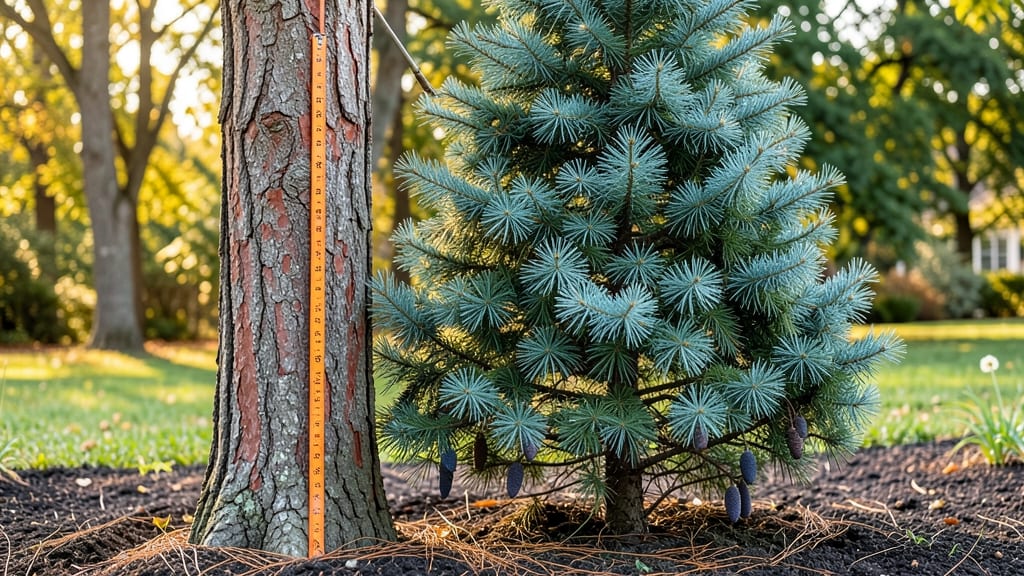
How tall does a cedar tree grow? Some varieties can dwarf your house—reaching heights of up to 40 feet, while others stay compact, making them a versatile choice for any yard.
If you're dreaming of towering evergreens that add year-round beauty to your landscape, cedar trees are an excellent choice—but their final height depends entirely on the variety you plant.
From the fast-growing Atlas Cedar, which can add 2 feet per year, to the slow-and-steady Eastern Red Cedar, your space and climate will dictate how tall your cedar becomes.
Below, I break down the exact heights by species, how to maximize growth, and when to plant for the fastest results—so you can pick the perfect cedar for your vision.


Cedar tree height by fastest-growing varieties: exact growth rates and mature heights
Choosing a cedar tree for your landscape means understanding that height potential varies dramatically between species. Some varieties grow just 1-2 feet per year, while others surge upward at 3 feet annually.
If you want rapid vertical growth, focus on the fastest-growing cedar species—these can transform your yard into a towering evergreen haven in just a few decades.
Before selecting, consider your space: small yards suit dwarf varieties, while large properties can accommodate giants like the Deodar cedar, which can reach 100 feet under ideal conditions. The key is matching your growth expectations with the right species and optimal growing conditions.
| Variety | Mature Height (ft) | Annual Growth Rate (ft) | USDA Zones | Best For |
|---|---|---|---|---|
| Deodar Cedar | 100+ ft | 2-3 ft | 5-8 | Large estates, privacy screens |
| Atlas Cedar | 40-60 ft | 1.5-2.5 ft | 6-9 | Urban landscapes, windbreaks |
| Eastern Red Cedar | 30-40 ft | 1-2 ft | 3-9 | Wildlife habitats, small gardens |
| Leyland Cypress (Cedar Hybrid) | 60-70 ft | 3-4 ft | 6-10 | Fast-growing privacy screens |
| Blue Atlas Cedar | 40-50 ft | 1-1.5 ft | 5-9 | Drought-resistant gardens |
The Deodar cedar is the undisputed champion for fast vertical growth, often reaching 2-3 feet per year in ideal conditions. This Himalayan native thrives in well-drained soil and full sunlight, making it perfect for large properties where height isn't a concern.
Its pyramidal shape adds dramatic vertical interest to landscapes.
For faster but slightly smaller options, the Leyland cypress (a cedar hybrid) grows an astonishing 3-4 feet annually, though it requires more water than native cedars. This makes it ideal for privacy screens where rapid height gain is prioritized over drought tolerance.
If you're in USDA zones 3-9 and want a low-maintenance option, the Eastern red cedar grows steadily at 1-2 feet per year while providing wildlife benefits. Its blue-green foliage stays vibrant year-round, making it a versatile landscape staple.
To maximize growth, plant cedars in well-draining soil with full sun exposure. Avoid waterlogged areas, as cedars hate soggy roots. Mulch around the base to retain moisture and nutrients, which can boost annual growth by 20-30% in optimal conditions.
Pruning young cedars can encourage upward growth, but avoid heavy pruning after age 5, as cedars respond poorly to aggressive trimming. Focus on removing dead branches and shaping only the outer foliage to maintain a natural form.
In cooler climates (zones 3-5), cedars grow slower due to shorter growing seasons. To compensate, plant in south-facing locations and use mulch blankets to protect roots from winter frost while extending the growing season.
For urban gardens with limited space, consider dwarf varieties like the Blue Rug juniper (a cedar relative), which maxes out at 3 feet tall but grows
How to maximize cedar tree growth: soil, sunlight, and pruning tips for tallest trees
Want to grow a cedar tree that reaches its full towering potential? The secret lies in understanding its three core needs: nutrient-rich soil, abundant sunlight, and strategic pruning. Unlike many trees, cedars respond dramatically to proper care, with some varieties growing 3 feet per year under ideal conditions.
I’ve learned that neglecting even one of these factors can stunt growth by 50% or more, so let’s optimize each element for maximum height.
First, let’s talk about soil conditions. Cedar trees thrive in well-draining, slightly acidic soil with a pH between 5.0 and 7.0. If your soil is too alkaline, the tree’s ability to absorb essential nutrients like nitrogen and phosphorus will suffer, directly impacting vertical growth.
I always recommend testing your soil before planting—most garden centers offer affordable kits, and the results will tell you exactly what amendments to add.
Standard varieties: 30-40 ft (taller than a two-story house) Fastest growers (Deodar, Atlas): Up to 60 ft with ideal care Dwarf varieties: 8-15 ft (perfect for small yards) Growth rate: 1-3 ft annually in perfect conditions
Pro Tip: Eastern Red Cedar grows fastest in full sun with consistent moisture during the first 3 years.
Next, let’s focus on sunlight exposure. Cedar trees are sun worshippers—they need at least 6 hours of direct sunlight daily to fuel rapid vertical growth. I’ve noticed that trees planted in partial shade often develop thinner trunks and slower height increases.
If your yard has limited sun, consider planting a dwarf variety like ‘Green Spire’—it grows just 15 feet tall but still thrives with 4-6 hours of sun.
Watering plays a crucial role too, especially during the first two years when roots establish. Deep watering once a week (or more in extreme heat) encourages deep root growth, which supports taller trunks.
I always water in the early morning to prevent fungal issues and ensure the water reaches the root zone. Overwatering is just as harmful as underwatering—cedars hate soggy soil, which can lead to root rot and stunted growth.
Now, let’s discuss pruning for height. Many gardeners make the mistake of pruning too much at the top, which can actually reduce vertical growth. Instead, focus on removing dead or crossing branches and thinning the canopy to allow more sunlight to reach the lower branches.
I recommend pruning in late winter or early spring before new growth begins. For maximum height, avoid heavy pruning of the top leader—this is the main upward-growing branch that drives the tree’s vertical expansion.
Finally, don’t forget about fertilization. While cedars aren’t heavy feeders, a balanced 10-10-10 fertilizer applied in early spring can give your tree a growth boost. I’ve seen cedars treated this way grow up to 2 feet taller in a single season compared to unfertilized trees.
Just be sure to follow the package instructions—over-fertilizing can damage roots and harm the tree’s health.