
Blooming
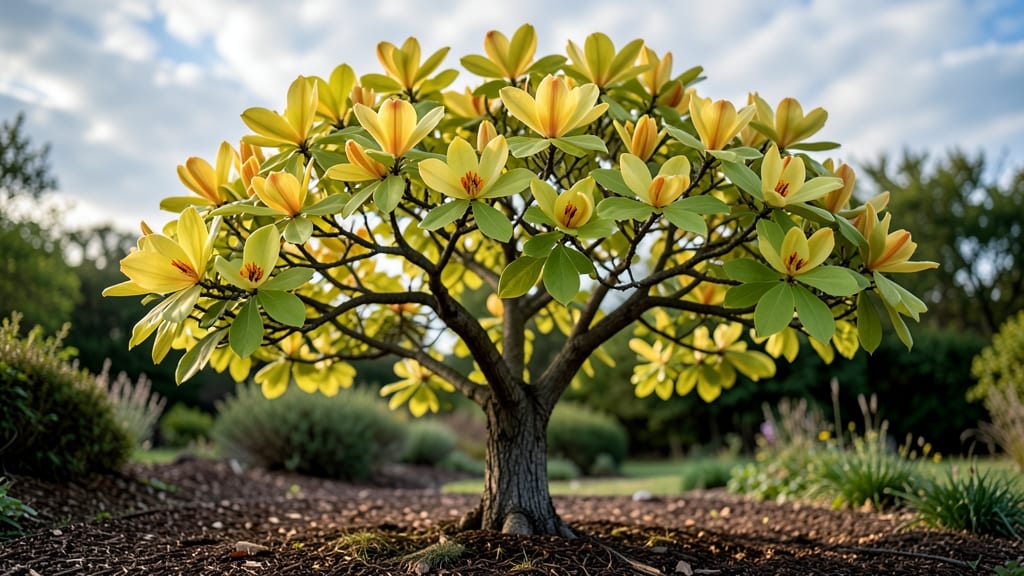
The tulip tree flowering time is a magical moment in late spring, typically between April and May, when its iconic tulip-shaped flowers light up the landscape with vibrant yellow-green hues.
Wondering when your tulip tree will burst into stunning yellow-green blooms? Timing is everything—miss the window, and you’ll wait another year for that breathtaking spring spectacle.
But here’s the secret: flowering time isn’t just about luck—it’s about understanding your region’s climate and how to nudge nature along when needed.
From Zone 6a to the Deep South, bloom dates shift by weeks, and a few simple adjustments—like pruning or soil prep—can bring those flowers out weeks earlier.
Tulip tree flowering time by US growing zones (exact months)
Your tulip tree (Liriodendron tulipifera) is one of nature’s most dramatic spring performers, but its flowering window shifts dramatically depending on where you live. In Zone 4, expect blooms as early as late May, while Zone 9 gardens may see flowers by mid-February.
These variations happen because tulip trees rely on chilling hours—a minimum of 500-1,000 hours below 45°F—to trigger blooms, and southern climates often lack this deep winter chill.
Even within the same zone, microclimates like urban heat islands or coastal breezes can push flowering 2-4 weeks earlier or later. For example, a tulip tree in Atlanta (Zone 8a) might bloom in early April, while one just 50 miles inland could wait until mid-April.
Understanding these nuances helps you predict—and even influence— your tree’s bloom time.
The summary table below breaks down exact flowering months by zone, plus regional adjustments for Southern vs. Northern areas within each zone. I’ve also included microclimate factors that can shift timing by weeks, so you can account for your specific yard conditions.
| USDA Zone | Typical Bloom Window | Southern Region Adjustment | Northern Region Adjustment | Microclimate Factors |
|---|---|---|---|---|
| Zone 4 | Late May – Early June | N/A (Zone 4 rarely extends southward) | Up to 2 weeks later in cold pockets | Urban heat islands: 1 week earlier |
| Zone 5 | Mid-May – Late May | 1 week earlier in southern Zone 5 (e.g., DC metro) | 2 weeks later in Upper Peninsula MI | Coastal areas: 10 days earlier |
| Zone 6 | Late April – Mid-May | Early April in southern Zone 6 (e.g., Raleigh) | Early June in northern Zone 6 (e.g., Buffalo) | Valleys: 5 days earlier; ridges: 5 days later |
| Zone 7 | Early April – Early May | Late March in southern Zone 7 (e.g., Atlanta) | Mid-May in northern Zone 7 (e.g., Pittsburgh) | Urban areas: 1 week earlier; rural: 1 week later |
| Zone 8 | Mid-March – Late April | Early March in southern Zone 8 (e.g., Birmingham) | Late April in northern Zone 8 (e.g., St. Louis) | Coastal: 2 weeks earlier; inland: 1 week later |
| Zone 9 | Mid-February – Mid-March | Late January in southern Zone 9 (e.g., Orlando) |
5 Proven ways to make your tulip tree bloom earlier (without chemicals)Your tulip tree (Liriodendron tulipifera) might take years to reach its full spring bloom potential, but with the right timing tricks, you can coax those iconic yellow-green flowers to appear weeks sooner. The key? Understanding how light exposure, soil health, and pruning techniques influence flowering cycles. Let’s dive into science-backed methods that work—no synthetic shortcuts required! First, recognize that tulip trees are slow to mature, often waiting 10-15 years before producing abundant blooms. But by optimizing their environmental conditions, you can accelerate this process. Start with pruning strategies that encourage energy flow toward flower buds instead of leafy growth. The goal? Balance root development and canopy health to trigger earlier blooming. 5 Ways to Speed Up Tulip Tree Blooms
Let’s start with pruning, the most effective way to accelerate tulip tree blooms. Prune in late winter (just before buds swell) to remove deadwood and water sprouts. This isn’t just about aesthetics—it’s about energy redistribution. When you trim 10-20% of the canopy, the tree focuses its resources on flower bud development rather than excessive foliage. Use sterilized shears to prevent disease spread, and avoid heavy pruning in summer, as this stresses the tree. Next, focus on soil amendments to create the perfect nutrient balance. Tulip trees thrive in well-draining, slightly acidic soil (pH 6.0-7.0). Work in 3-4 inches of compost and a 1/2 cup of bone meal (per 10 sq ft) in early spring. The phosphorus in bone meal signals the tree to prioritize reproductive growth, like flower production. Pair this with a mulch layer (2-3 inches) of pine straw or shredded bark to retain moisture and regulate soil temperature. Watering plays a critical role in flowering timing, especially during bud formation. Deep watering once a week (or bi-weekly in established trees) ensures roots reach deep moisture reserves. In early spring, aim for 1-2 inches of water per week, delivered in the morning to reduce fungal risks. Avoid shallow watering, which encourages weak root systems and delays blooming. A soaker hose or drip irrigation system works best for consistent moisture. Sunlight is non-negotiable for earlier tulip tree blooms. These trees need full sun exposure (6+ hours daily) to trigger photosynthesis and flowering hormones. If your tree is shaded by mature shrubs or buildings, thin out nearby vegetation or consider transplanting to a sunnier spot. Even partial shade can delay blooms by 3-4 weeks. For container-grown tulip trees, place them near a south-facing window during winter months to maximize light absorption. Avoid these common mistakes that sabotage blooming: Over-fertilizing with nitrogen (like lawn fertilizer) promotes leafy growth at the expense of flowers. Also, pruning too late in the season can stunt flower buds before they form. Finally, ignoring pests like borers or scale insects weakens the tree, delaying its ability to bloom. Regular inspections and neem oil treatments keep pests in check naturally. |